مركز سوث24 للأخبار والدراسات
مركز سوث24 للأخبار والدراسات


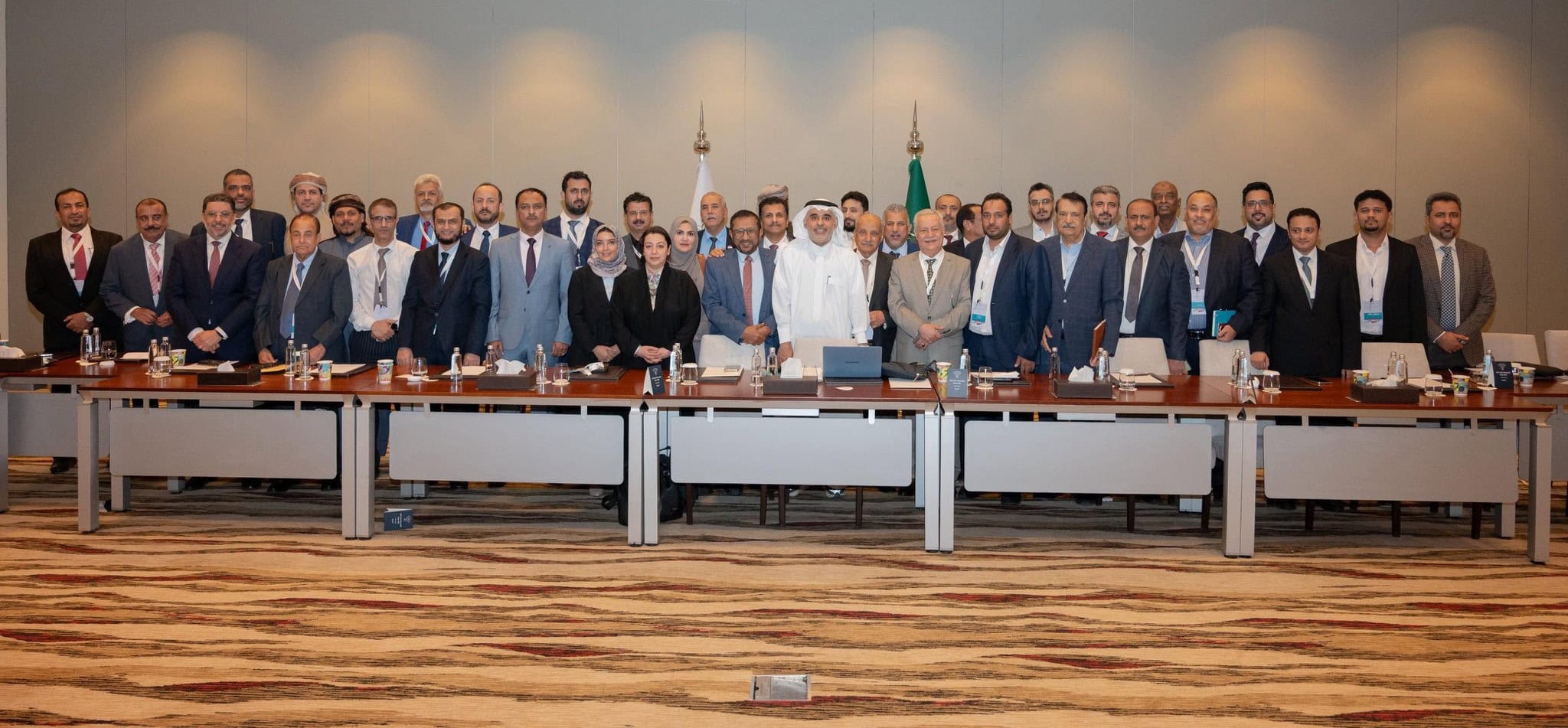
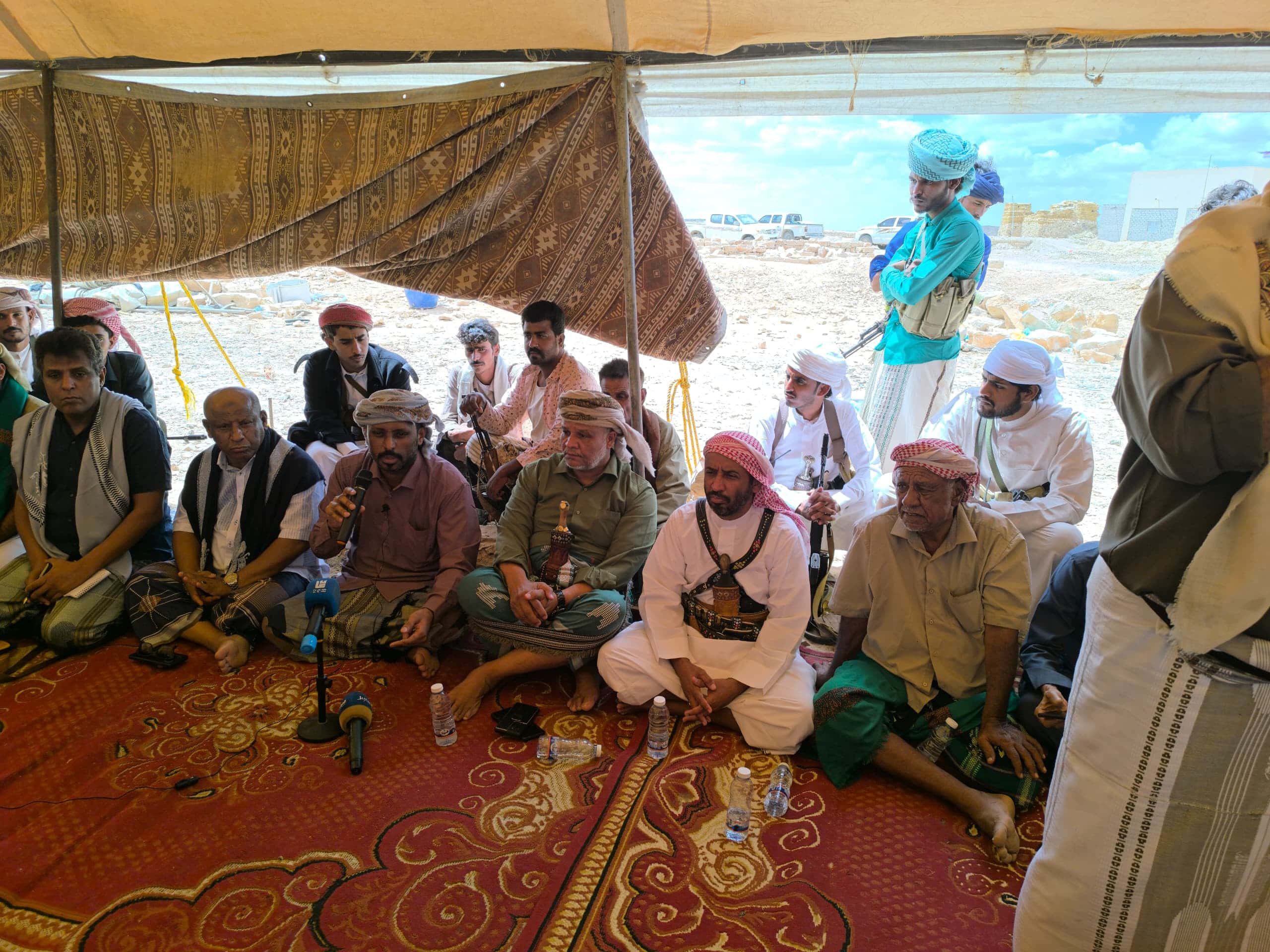
Southern figures during their participation in a workshop on South Yemen, organized by the Gulf Research Center in Riyadh, February 16, 2026 (X platform)
آخر تحديث في: 20-02-2026 الساعة 3 مساءً بتوقيت عدن
South24 Center | Farida Ahmed
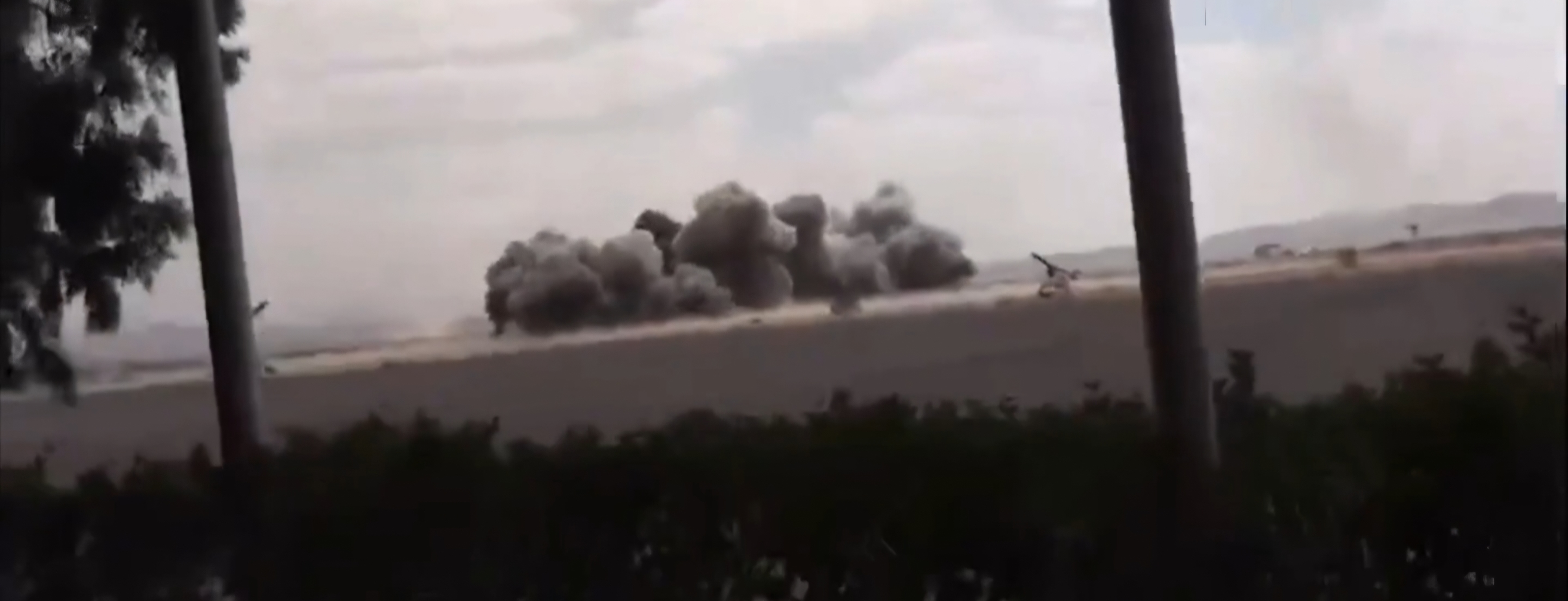
The Saudi military intervention in early January 2026 in eastern South Yemen, which included targeting Southern forces and expelling them from Hadramout and Al-Mahra, has reshaped the political landscape of the anti-Houthi camp. This shift was reflected in the sidelining of influential figures on the Southern and broader Yemeni scene, most notably Aidrous Al-Zubaidi, President of the Southern Transitional Council (STC) and Vice President of the Presidential Leadership Council, and their replacement with figures of lesser influence and presence. It also included a Saudi-backed attempt to dissolve the STC. However, these changes were met with widespread popular resistance from a Southern public that rejects external interference. The subsequent formation of a new government confirmed the institutional entrenchment of these transformations, even as friction continued between the street and other Saudi-backed local forces, reflecting a difficult political and security reality amid attempts to impose rapid successive changes.
Prior to this, Saudi Arabia had swiftly embraced and sponsored the Southern Dialogue Initiative proposed by PLC Chairman Rashad Al-Alimi, reflecting Saudi Arabia’s desire to exert full control over the Southern file and prevent any other regional or international actors from intervening in a way that would keep the trajectory of the Southern crisis and its cause within Saudi Arabia’s direct sphere of influence. Phrases such as, “We are sponsors and will impose nothing on you; set your demands as high as the sky,” encouraged some Southern politicians and media figures to travel to Riyadh during January and February to take part in preparations for the Southern Dialogue. The process appeared voluntary on the surface while simultaneously reinforcing Saudi Arabia’s presence in the South following the vacuum left by the United Arab Emirates.
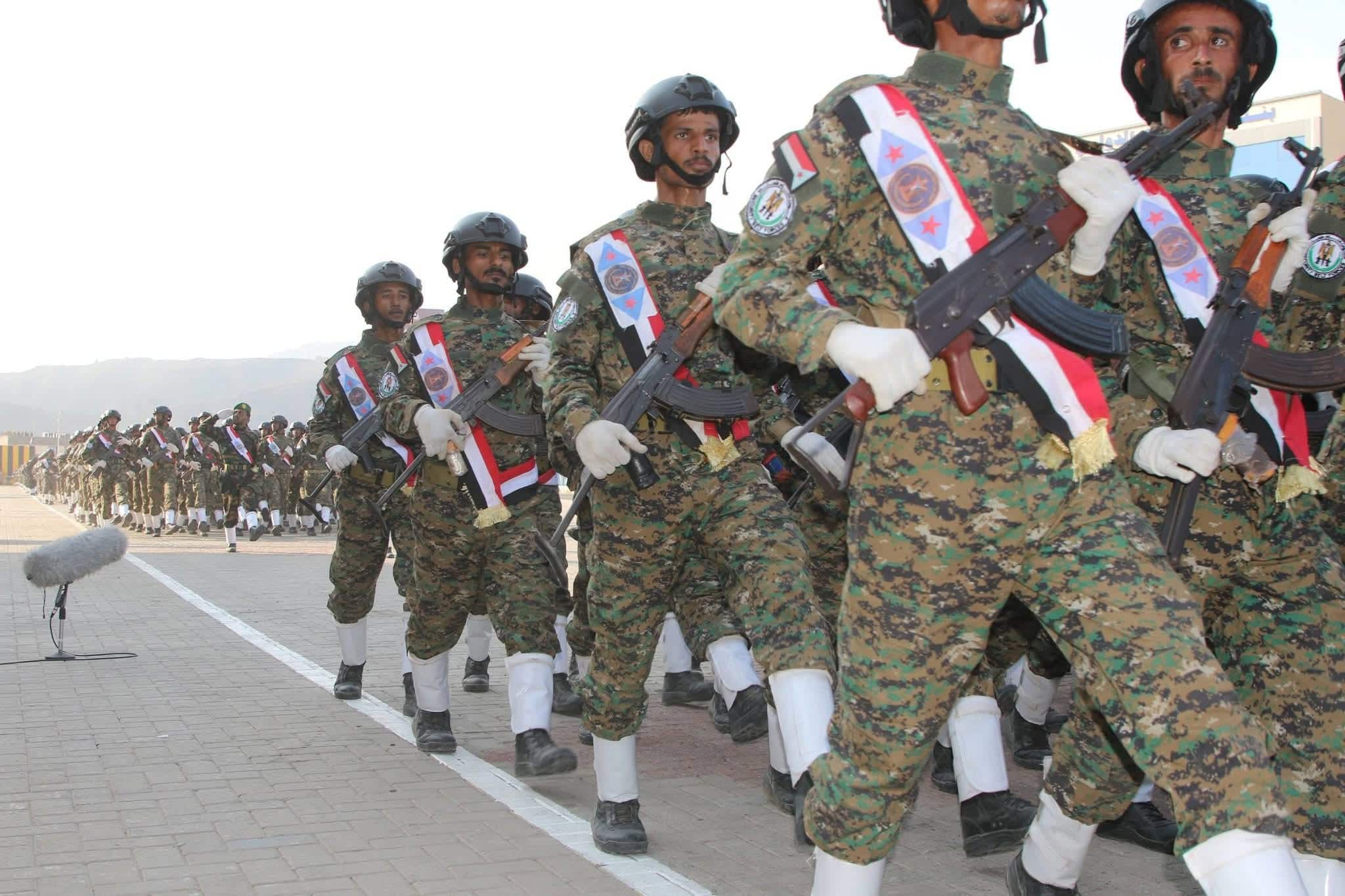
In recent weeks, Riyadh has advanced two seemingly contradictory narratives. The first supports dialogue and promises to respect Southern aspirations, an effort not to provoke a street largely sympathetic to the idea of “independence”, and approaches the issue with symbolic and political caution. At the same time, however, the Kingdom has taken other public positions calling for the “necessity of confronting any attempts to divide Yemen.” Even if one were to take in good faith the assurances reportedly given by the Saudi defense minister to a Southern delegation, developments on the ground suggest a different trajectory. Security arrangements are reshaping the military map in the South through the redeployment of northern forces in sensitive Southern areas, including the recent deployment of units known as the “Yemeni Emergency Forces” in Hadramout, alongside movements in parts of Shabwa, according to official media.
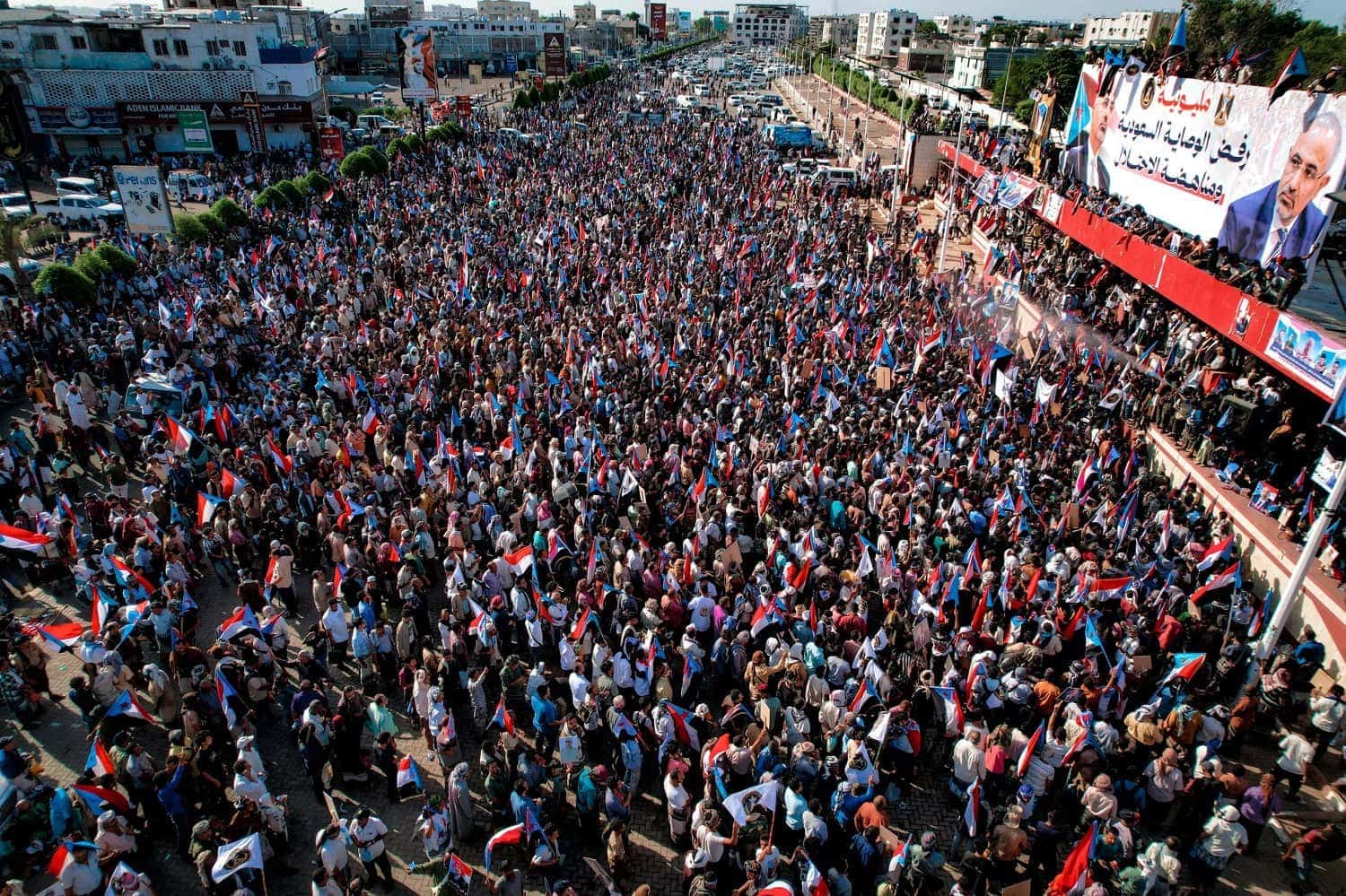
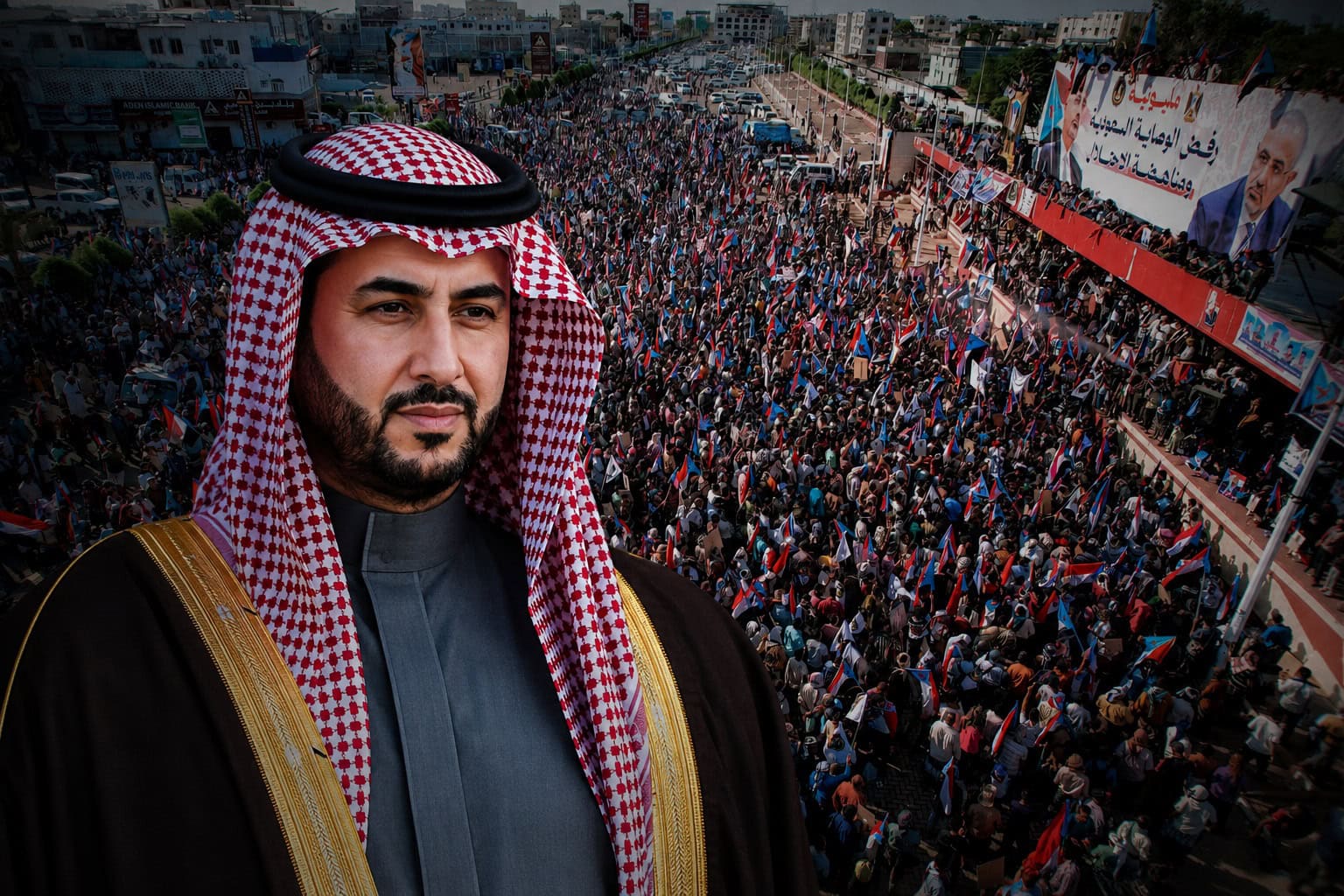
This shift cannot be separated from the rising wave of protests in those governorates. Alongside the redeployments, there have been numerous reports of intensified repression against demonstrators, in some cases reaching the point of direct lethal force by local units. This marks a dangerous development and raises fundamental questions about the nature of the next phase, particularly as it represents a clear violation of the right to peaceful protest as recognized by international norms and law.
No Prospect for Dialogue
Despite positive rhetoric promoting Southern dialogue as a gateway to resolution, the process still lacks clear features or a defined procedural framework. To date, the sponsors have not presented a detailed vision capable of alleviating public concerns or offering objective grounds for optimism. The nature of the dialogue, its timing, agenda, and guarantees remain undefined, leaving ample room for skepticism. A growing segment of Southern society believes the call for dialogue may ultimately serve as a tool to redefine and contain their cause rather than provide a fair platform to address it. This sentiment was reinforced by the announcement from Riyadh declaring the dissolution of the Southern Transitional Council, which many view as the principal political carrier of the Southern cause and a representative voice of its aspirations.
The core contradiction fueling public discontent lies in the gap between calls to include “all Southerners” in dialogue about their future and steps that effectively sideline the political entity with the strongest presence on the Southern street. How can an inclusive process be built while excluding a party that commands a significant popular base? This inconsistency not only undermines the credibility of the political process but risks turning dialogue from an opportunity for Southern consensus into a rebranding of exclusion under the banner of consensus. For a public that has struggled for more than 32 years, any political track is approached with acute sensitivity to perceived attempts at containment or circumvention.
Over the past two years, signing a roadmap agreement with the Houthis, drafted by UN Special Envoy Hans Grundberg and sponsored by Saudi Arabia and Oman, has appeared to be an urgent priority for Riyadh. Previous statements by Saudi Foreign Minister Faisal bin Farhan, along with earlier understandings with Iran, suggested that the Kingdom seeks to consolidate a long-term de-escalation path that would ease the burdens of conflict and allows it to reorder regional priorities.
Although the UN envoy later indicated that the roadmap was no longer viable in its previous form, subsequent military and political developments open multiple possibilities: either resuming the roadmap as originally drafted while excluding the South issue or revising its provisions to align with current shifts. This raises a central question regarding the expected outcomes of Southern-Southern dialogue, whether they will be integrated into the broader political framework or left to run on a parallel, possibly separate, track. The question gains significance given the STC’s prior insistence that the South cause receive a dedicated negotiating framework within any political process rather than being subsumed under other conflict files.
Riyadh’s dilemma does not appear to lie in the substance of Southern demands as much as in their timing. Incorporating the anticipated outcomes of Southern dialogue into agreements with the Houthis at this sensitive juncture could provide the group with grounds to delay signing or withdraw from political engagement altogether. As a result, it is likely that the outcomes of any Southern dialogue will remain within carefully calculated limits, below what is publicly promoted, especially if they are linked to a comprehensive settlement framework rather than treated as an independent track.
Moreover, if the STC succeeds in reorganizing its ranks and absorbing the shock while measures proceed that sideline its political and popular weight, it could become an obstacle to any dialogue outcomes lacking broad acceptance, acting as an influential actor outside the formal process. In such a scenario, the issue would extend beyond excluding a major stakeholder to threatening the implementability of any settlement itself, since sidelining a significant force weakens prospects for consolidating agreements on the ground.
Three Paths to Overcome the Challenges
In the coming phase, Riyadh and the newly recognized government, particularly its Southern components, will need to advance along three parallel tracks to navigate the challenges facing South Yemen. First is the political track and it centers on two primary objectives. The first is winning public trust by understanding the street rather than thinking on its behalf. What is required is a broader approach that absorbs public mood, needs, and priorities, rather than merely reassuring and securing the loyalty of political and media elites. The street moves according to its own motivations; any policy not grounded in a genuine reading of it will remain limited in impact. The second objective is unifying the Southern position and preparing an open environment for dialogue without preconditions, consistent with declared promises, thereby creating a minimum level of trust before entering subsequent political arrangements, ensuring the widest possible participation, including the STC. Prior to that, the consequences of the airstrikes targeting Southern forces and some civilians must be addressed, and the fate of any missing persons clarified.
The second track is security and military. It rests on relying on Southern military and security forces that have demonstrated their capacity to maintain security, combat terrorism, and preserve stability without infringing on civil rights, including the protection of peaceful protest in line with international standards. This track also entails refraining from deploying northern forces in Southern governorates to avoid inflaming public anger and escalating tensions, particularly given that the military doctrine of some of these forces views anti-unity Southern demands as national betrayal.
The third track is economic and service related. It depends on achieving tangible and sustainable improvements in basic services, especially electricity, water, healthcare, and public sector salaries. Despite the relatively positive impact of recent improvements in electricity supply in Aden and other areas, the real test will come with the onset of summer, historically a severe stress point for power management, where previous governments have failed for years. Another test lies in the government’s ability to control commodity prices amid its monetary policy aimed at strengthening the rial against foreign currencies. While the exchange rate has nearly halved in recent months, commodity prices have remained pegged to the previous rate, according to statements by Southern money exchangers. This has placed heavy burdens on citizens, particularly those dependent on remittances, as unregulated monetary policy has sharply reduced household income and savings.
Ultimately, balancing these three tracks will serve as an accurate barometer of Riyadh’s policies, measuring its realism, flexibility, and prospects for success while reducing the likelihood of failure or escalating tensions. It will also preserve the credibility of the political process associated with Southern dialogue and limit attempts to sideline key actors. In conclusion, the ability to adapt to field developments and popular variables will remain the cornerstone of any successful future strategy in the South.


قبل شهرين
قبل 3 أشهر