مركز سوث24 للأخبار والدراسات
مركز سوث24 للأخبار والدراسات


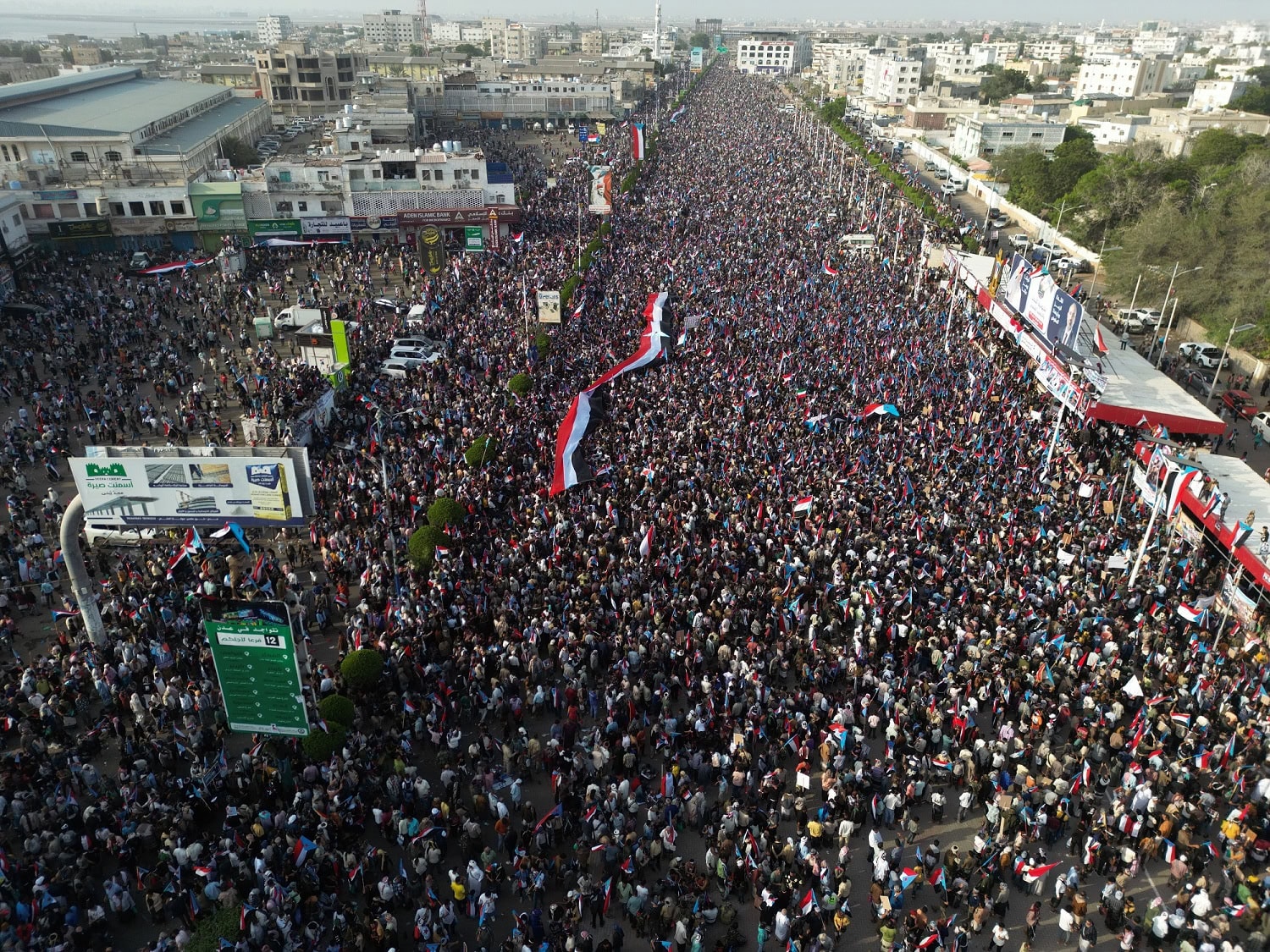
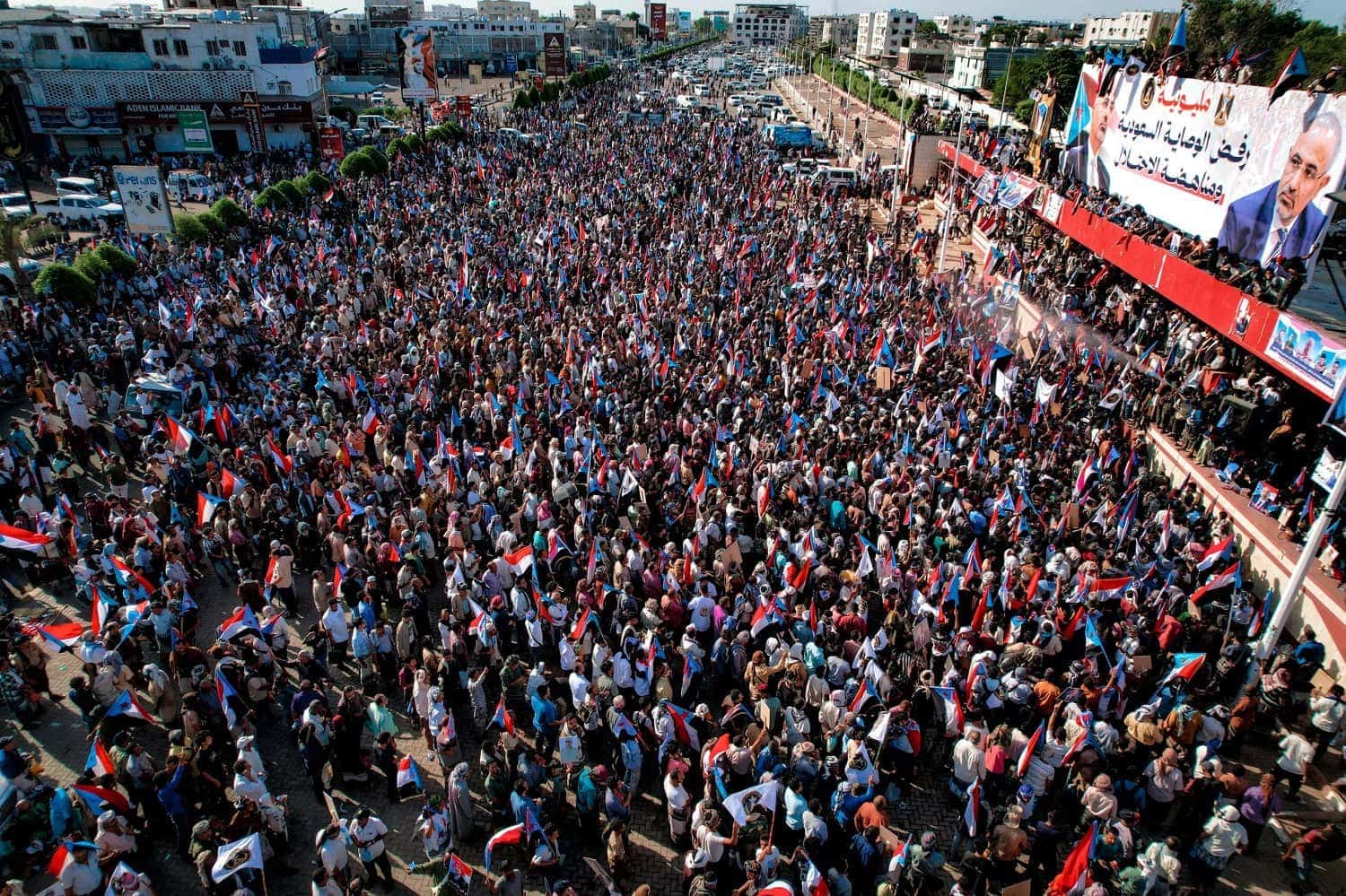
Million-Person ‘Steadfastness and Popular Escalation’ Rally in Support of the Southern Transitional Council at Al-Aroud Square in Aden, January 23, 2026 (South24 Center)
10-03-2026 الساعة 8 مساءً بتوقيت عدن
“The headline of these protests has been the rejection of the Riyadh-announced dissolution of the STC, as an externally imposed measure lacking institutional and popular legitimacy”
Abdullah Al-Shadli (South24 Center)
Cities across South Yemen, most notably the capital, Aden, are witnessing growing public gatherings and protests in support of the Southern Transitional Council (STC), amid rapidly evolving political and security developments. The current wave follows a surge of mass mobilization that swept large parts of the South last December, when open-ended sit-ins attended by hundreds of thousands in Aden called on STC President Aidarous Al-Zubaidi to take decisive steps toward the declaration of a “State of South Arabia” and the realization of independence.
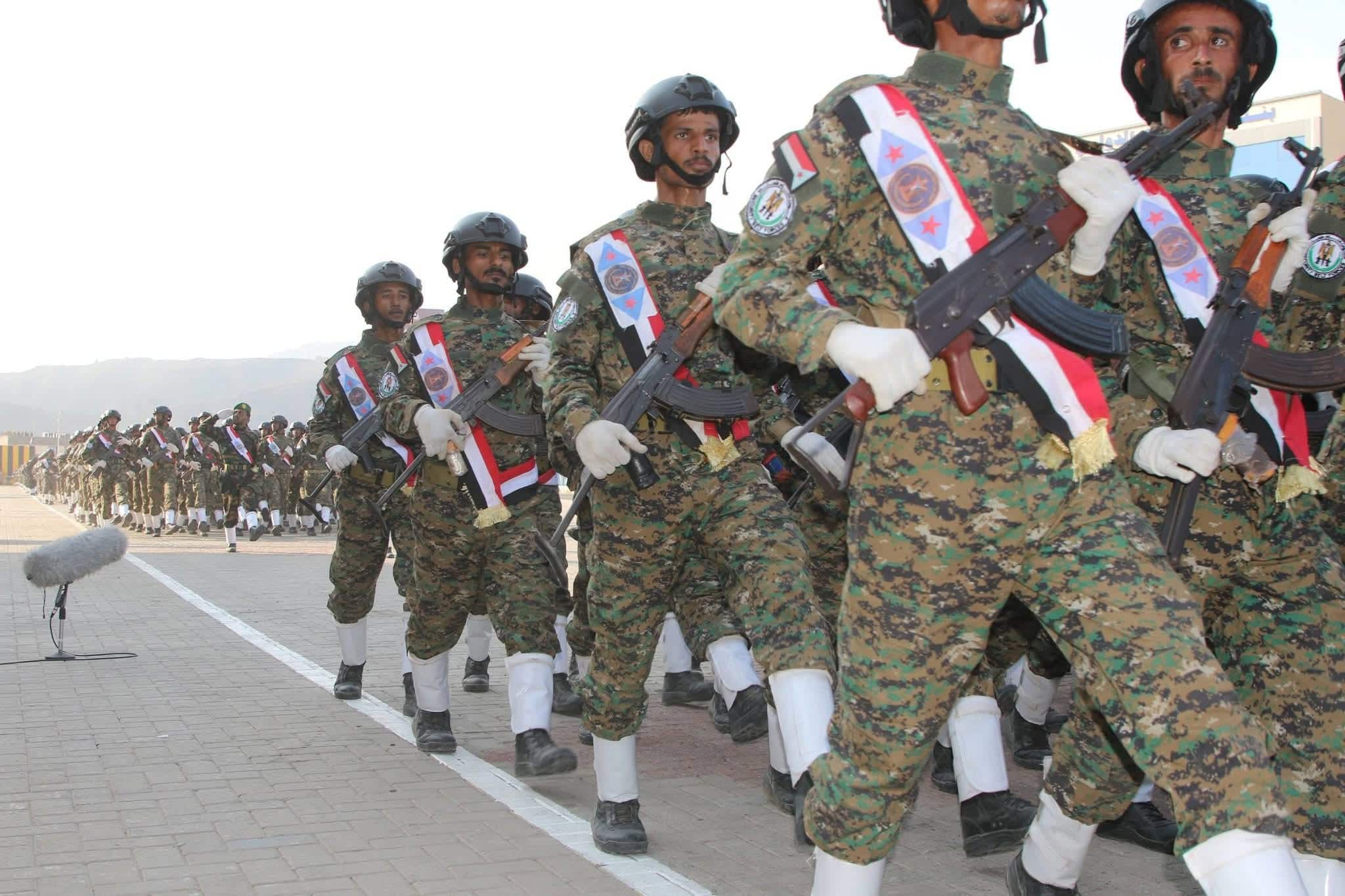
These sit-ins coincided with military movements by the Southern Armed Forces toward Hadramout and Al-Mahra, aimed at expelling northern forces stationed in the First Military Region in the Wadi Hadramout area.
The operation called “The Promising Future,” achieved that objective and secured the two governorates, bringing nearly all the geography of South Yemen under the control of the STC.
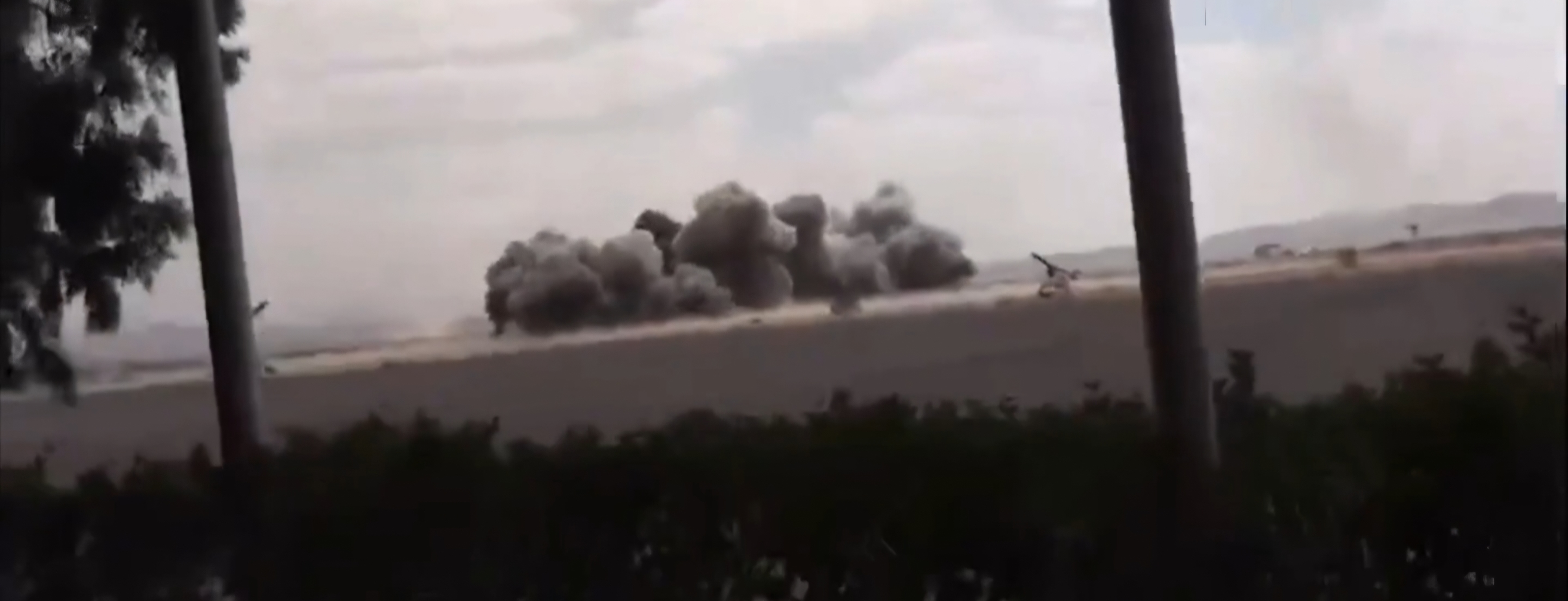
This reality persisted throughout December before taking a sharp turn at the beginning of the new year. Saudi Arabia launched a large-scale aerial intervention involving hundreds of airstrikes against the Southern forces while supporting northern troops on the ground.
The intervention forced Southern forces to withdraw from the two governorates and reshaped the balance of power within the South political landscape.
In the aftermath, a delegation that had arrived in Riyadh two days earlier announced on January 9 the dissolution of the STC. The decision was rejected by the STC leadership inside the country and sparked widespread anger across southern society. Many viewed it as an attempt to eliminate the most prominent political representative of the South cause within the current political framework.
Against this tense backdrop, protests erupted again in Aden and several southern cities to express rejection of this political course. The STC repeatedly called for mass rallies under the slogan “Steadfastness and Popular Escalation.”
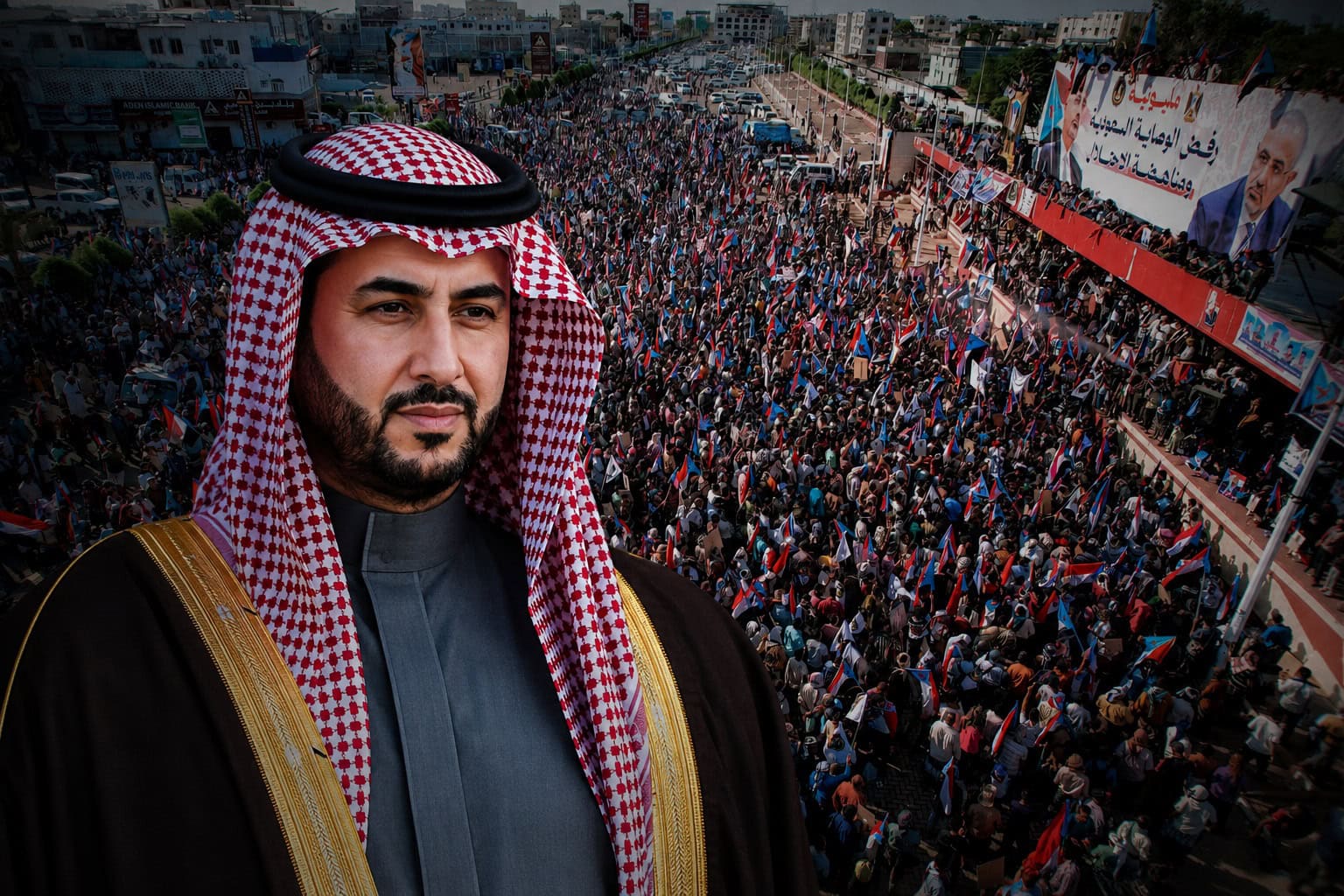
Hundreds of thousands of the people of the South responded to the call of STC President Aidarous Al-Zubaidi on January 16 and 23, producing crowds unprecedented in Aden’s history. Demonstrations also spread to Seiyun and Mukalla in Hadramout, Dhalea, Ataq in Shabwa, Al-Ghayda in Al-Mahra, and even the Socotra Archipelago.
The headline of these protests has been the rejection of the Riyadh-announced dissolution of the STC, as an externally imposed measure lacking institutional and popular legitimacy. Protesters also renewed their mandate for the council under Al-Zubaidi to represent the South cause.
Other slogans included opposition to subsequent political arrangements, particularly the formation of a new government that lacks broad support among southerners after the exclusion of the STC and the inclusion of northern ministers linked to the Muslim Brotherhood, including Defense Minister Taher Al-Aqili.
These mobilizations have also been tied to demands for the restoration of southern forces’ presence in Hadramout and Al-Mahra and the removal of northern emergency forces backed by Saudi Arabia. While many demonstrations proceeded peacefully, others met with deadly force. The crackdown began on February 6 when military forces opened live fire on STC-supporting protesters in Seiyun in Wadi Hadramout, wounding several and arresting others.
On February 11, security forces killed seven protesters and wounded 43 others during a demonstration called by the STC in the city of Ataq in Shabwa governorate. On February 19, one protester was killed and 20 others injured by gunfire from guards protecting Ma’ashiq Palace, the seat of the Yemeni government in Aden, during a protest demanding that northern ministers leave the city.
The repression of protesters coincided with measures that the STC described as direct attempts to target its political presence in Aden. Authorities shut down several of the council’s offices and bodies in the city, including the General Assembly, the General Secretariat, and the Foreign Affairs Authority.
Acting head of the STC’s local leadership in Aden, Mohammed Hussein Jarallah, was also arrested before being released later. The council called for mass mobilization in Aden on February 27 to reject these measures, drawing tens of thousands of demonstrators.
Amid the escalating protests and continued efforts aimed at eliminating the STC’s domestic presence, broader questions have emerged about the nature of the political and security transformations unfolding in the South and how far the current wave of public mobilization could go.
There are also pressing questions about the council’s upcoming political and public strategy to confront these challenges, particularly amid fears of renewed clashes between southern protesters and security or military forces led by southern commanders aligned with Riyadh.
The Limits and Objectives of the Protests
If the most prominent question in the Southern scene today is: What does the STC seek to achieve through these protests? The answer, according to the positions of its leaders and analytical readings of the situation, goes beyond merely responding to specific security measures or political decisions. Rather, it relates to reasserting the council’s position and the Southern cause within the existing political equation, as well as demonstrating the scale of popular support for the project the council advocates.
In this context, Acting Head of the Political Commission of the STC, Shukri Baali, affirmed that the ongoing mass mobilizations represent a clear political expression of the position of the Southern street.
Speaking to South24 Center, he stated that “the popular movement today is not limited to service-related demands but represents a clear expression of the popular will behind the southern national project.”
He added that the mass rallies seen across the cities of the South represents an “open public vote and a renewal of the mandate,” sending a message both domestically and internationally that “any attempt to bypass the will of the South’s street will not lead to a just or sustainable solution.”
Baali noted that the council is operating along parallel tracks: internally to preserve southern unity and prevent fragmentation of the political project, and externally by working to internationalize the southern issue and engage with broader political processes.
At the same time, Baali linked these mobilizations to the council’s position on the newly formed government, stressing that “the STC’s political non-recognition of the new government as a de facto authority is a correct and consistent stance.”
He explained that the government represents “a continuation of a previous situation after agreements that formed the basis of the partnership were overturned, most notably the Riyadh Agreement and the arrangements that followed the transfer of power.”
He added that the government “reproduces the post-1994 reality, imposed as a fait accompli without political recognition of the south as a fundamental partner in the political equation.” While it remains “obligated to provide services and fulfill its responsibilities toward citizens,” he said, this does not mean it politically represents the aspirations of southerners or their national project.
From another analytical perspective, Dr. Omar Bajardana, head of the Knowledge Center for Studies, interprets the protests as a direct reflection of rising political tensions between the STC and certain state institutions.
Speaking to South24 Center, he described the developments as “a practical response to the measures the council has faced in recent weeks,” including what he characterized as the detention of the southern delegation in Riyadh and the issuance of decisions “under threat,” which he believes explains the nature of the mobilization within the south.
Bajardana added that the southern public sees the STC as “a key ally in the fight against terrorism and the only political actor that has firmly confronted the Houthi militia in recent years.” As a result, any measures perceived as targeting the council quickly translate into widespread public anger.
He believes the council could achieve “several gains” if it reads the political moment carefully and channels the current popular momentum in an organized manner. At the same time, he stressed the importance of internal political review, pointing to the need to “reassess its political performance, restructure its leadership frameworks, and develop a roadmap different from previous approaches.”
Possible Scenarios
Given the overlapping political and security factors surrounding the protests, potential developments in the south appear closely tied to the ability of various actors to manage the current tensions without allowing them to escalate into open confrontation.
The current landscape reflects a push and pull between the STC’s effort to harness popular momentum to strengthen its political standing and attempts by the existing authorities, operating within the Saudi sphere of influence, to maintain security and political balances in Aden and the South.
One possible scenario involves containing the protests through political settlements that may include revisiting some of the recent Saudi-backed arrangements and opening broader consultation channels with the council’s core base inside the south. Such steps could help absorb the growing public frustration before it escalates beyond even the council’s own control.
Conversely, the possibility of continued escalation remains if security measures such as arrests and raids persist. These actions could be interpreted by the southern public as political targeting of the STC and its supporters and as part of a broader effort to dismantle the council.
In this context, STC spokesperson Anwar Al-Tamimi stated in a February 21 statement that such measures reflect a policy aimed at restricting southern political activity, which could prolong the current state of public anger.
Ultimately, the protests in the south appear to be part of a broader political equation concerning the definition of power-sharing within the existing authority and the boundaries of legitimacy in southern Yemen. They also raise questions about the position of the STC within this equation, which is increasingly shaped by an underlying layer of Saudi-Emirati regional disagreements that have recently become difficult to deny.
At the same time, the trajectory of these protests will largely depend on the council’s ability to balance popular mobilization with political pragmatism, as well as the willingness of regional and international actors—most notably Saudi Arabia—to address the developments of recent weeks.
These include the airstrikes that left dozens of soldiers and civilians dead and the need to establish a clear and credible path for addressing the southern issue in a way that could calm the southern street. So far, this has not been achieved—at least as it appears—through the vaguely defined Southern Dialogue initiative currently being arranged in Riyadh.
While the southern street remains in a state of simmering unrest, the final answer regarding the ceiling and objectives of these protests will only become clear as the coming weeks reveal the outcome of political, popular—and possibly security and military—tests that could once again reshape the landscape.


قبل شهرين
قبل 3 أشهر