مركز سوث24 للأخبار والدراسات
مركز سوث24 للأخبار والدراسات


AP
09-04-2026 الساعة 7 مساءً بتوقيت عدن
Aden (South24 Center)
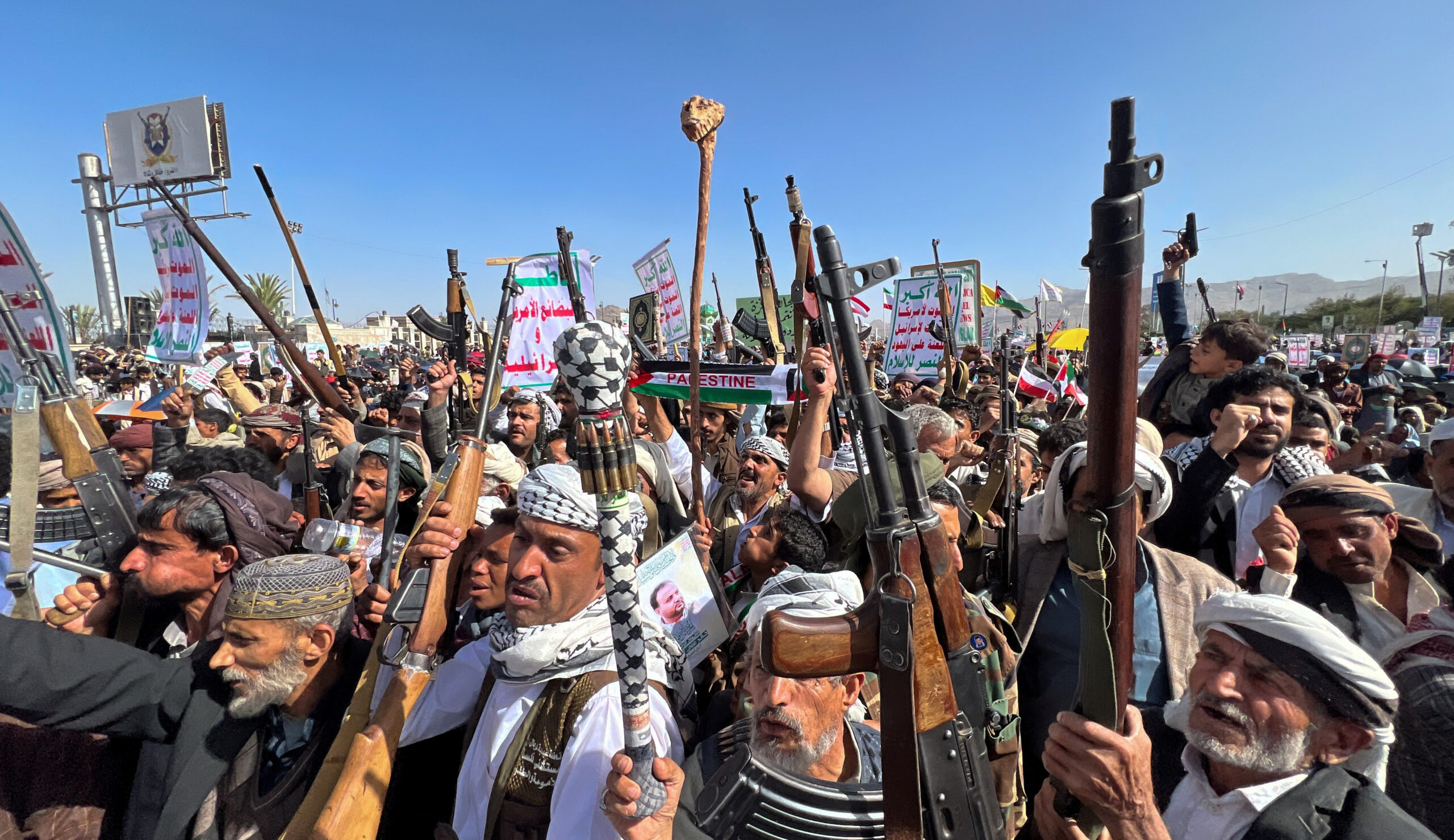
Yemen’s Iran-backed Houthi movement on Wednesday, April 8, described the ceasefire agreement between the United States and Iran as a “historic victory” for Tehran, while signaling readiness for further escalation amid ongoing regional tensions.
The group said the development reflects the failure of U.S. and Israeli escalation efforts to impose new dynamics in the region.
The statement came from the foreign ministry of the Houthis’ internationally unrecognized government, commenting on the announcement of a two-week ceasefire between Washington and Tehran, amid the group’s increasingly supportive rhetoric toward Iran.
The Houthis said they had been following “developments in the round of confrontation with America and the Israeli enemy entity, and the resulting ceasefire agreement.”
Despite welcoming the development, the statement stressed “the importance of vigilance, caution, and attentiveness,” noting that what it referred to as the “Israeli enemy” is known for “treachery, betrayal, and violating agreements.”
In a televised address, Houthi leader Abdul-Malik al-Houthi said the current pause “does not mean the end of the conflict, but rather preparation for future rounds,” indicating that the group views the truce as temporary.
He added that de-escalation efforts “will not succeed” unless Israel halts its military operations across all fronts of what he described as the “axis,” including Lebanon.
Al-Houthi also warned that the group would engage in a “progressive escalation of military operations” if hostilities resume against Iran or its regional allies, reinforcing concerns over a broader regional spillover.
The group added that the ceasefire represents “a major opportunity for countries in the region to reconsider their alliances with the United States,” reflecting an effort to politically leverage the agreement within the broader Iran-aligned narrative.
The statement also called for “agreed frameworks” among regional states to address security concerns and preserve stability.
Earlier Wednesday, U.S. President Donald Trump announced a halt to strikes on Iran for two weeks, conditional on the full and immediate reopening of the Strait of Hormuz and a mutual ceasefire between both sides.
The announcement came less than two hours before the expiration of a deadline Trump had given Tehran to reopen the strait and agree to terms, following a period of sharp escalation.
For its part, the Iranian government said it aims to use the 15-day ceasefire period to end the war with the United States and Israel through negotiations.
Meanwhile, several Gulf states welcomed the ceasefire announcement, calling for the de-escalation to hold and warning against the region sliding into a broader confrontation. In their statements, they also stressed the need for Iran and its proxies to halt hostilities, respect national sovereignty, and refrain from threatening regional security.
In Yemen, the Yemeni Presidential Leadership Council warned that the Houthis’ growing involvement in regional escalation reflects what it described as their “complete alignment” with Iran, accusing the group of seeking to turn Yemen into a platform for regional leverage and a threat to international shipping.
The council also cautioned against the use of Yemeni territory to target maritime routes and global interests, describing such actions as hostile to Yemen’s national interests and security.
The Houthi position comes amid the group’s growing involvement in regional escalation since March 28, when it announced carrying out six attacks toward Israel using missiles and drones.
These actions have raised concerns that the Houthis may expand their role in the conflict, potentially threatening shipping in the Bab al-Mandeb Strait, particularly amid simultaneous tensions in the Strait of Hormuz, one of the world’s most critical energy and trade corridors.


قبل شهرين

قبل 1 شهر

قبل شهرين