مركز سوث24 للأخبار والدراسات
مركز سوث24 للأخبار والدراسات


Shutterstock
02-05-2026 الساعة 4 مساءً بتوقيت عدن
Aden (South24 Center)
The electricity crisis in areas under the control of Yemen’s internationally recognized government is worsening as summer approaches, with prolonged outages exposing the fragility of years of temporary solutions, fuel shortages, and stalled infrastructure projects.
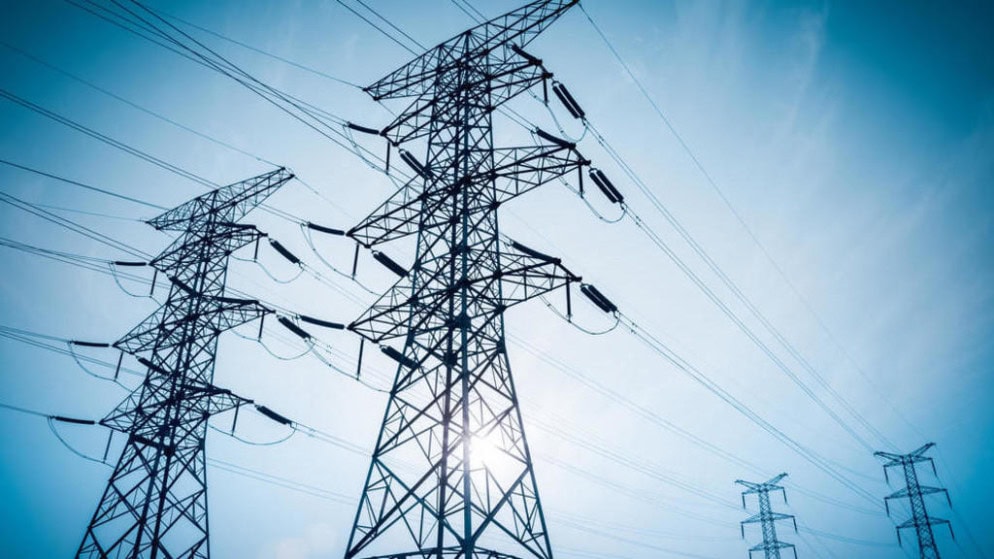
In this context, the Yemeni government has revived the long-delayed electricity interconnection project with Saudi Arabia, presenting it as a strategic option to ease the chronic deficit in three southern governorates.
Minister of Electricity and Energy Adnan Al-Kaf said the government is seeking to reactivate the interconnection project with the Kingdom, stressing its “strategic importance” and economic feasibility for both sides.
He explained that the ministry has resubmitted the project to the relevant Saudi authorities after years of suspension due to Yemen’s political and security conditions.
The project dates back to 2017, when Yemen’s Ministry of Electricity signed a memorandum of understanding with the Gulf Cooperation Council Interconnection Authority in Riyadh to study linking Yemen’s grid to Saudi Arabia’s network.
According to the minister, the first phase of the project targets the governorates of Hadramout, Shabwa, and Al-Mahra, with a potential capacity ranging between 500 and 1,000 megawatts, providing a stable power source and reducing reliance on fuel-based local generation.
He added that the interconnection would allow fuel currently allocated to those governorates to be redirected to Aden, helping improve electricity services across seven governorates: Aden, Lahj, Abyan, Dhalea, Shabwa, Hadramout, and Al-Mahra.
This comes amid a widening gap between supply and demand. In Aden, generation capacity does not exceed 250 megawatts, while actual demand surpasses 600 megawatts, meaning the city meets only about 35% of its electricity needs.
Official data indicate that the government spends around $1.2 billion annually (approximately $100 million per month) on the electricity sector, while revenues cover only half of these costs, at about $50 million per month.
This deficit is attributed to the suspension of oil exports since 2022, deteriorating infrastructure, high operational costs, as well as political and administrative complexities.
On the ground, the crisis is intensifying. In Aden, outages have recently reached around 16 hours per day, while Hadramout experiences supply cycles of two hours followed by four-hour outages, with warnings in Al-Mahra of possible shutdowns of power stations due to fuel depletion and delayed supplies.
This deterioration follows a temporary improvement earlier this year after Saudi Arabia provided an $81.2 million fuel grant to operate more than 70 power stations in government-held areas. However, the return of outages highlights the limited impact of emergency measures.
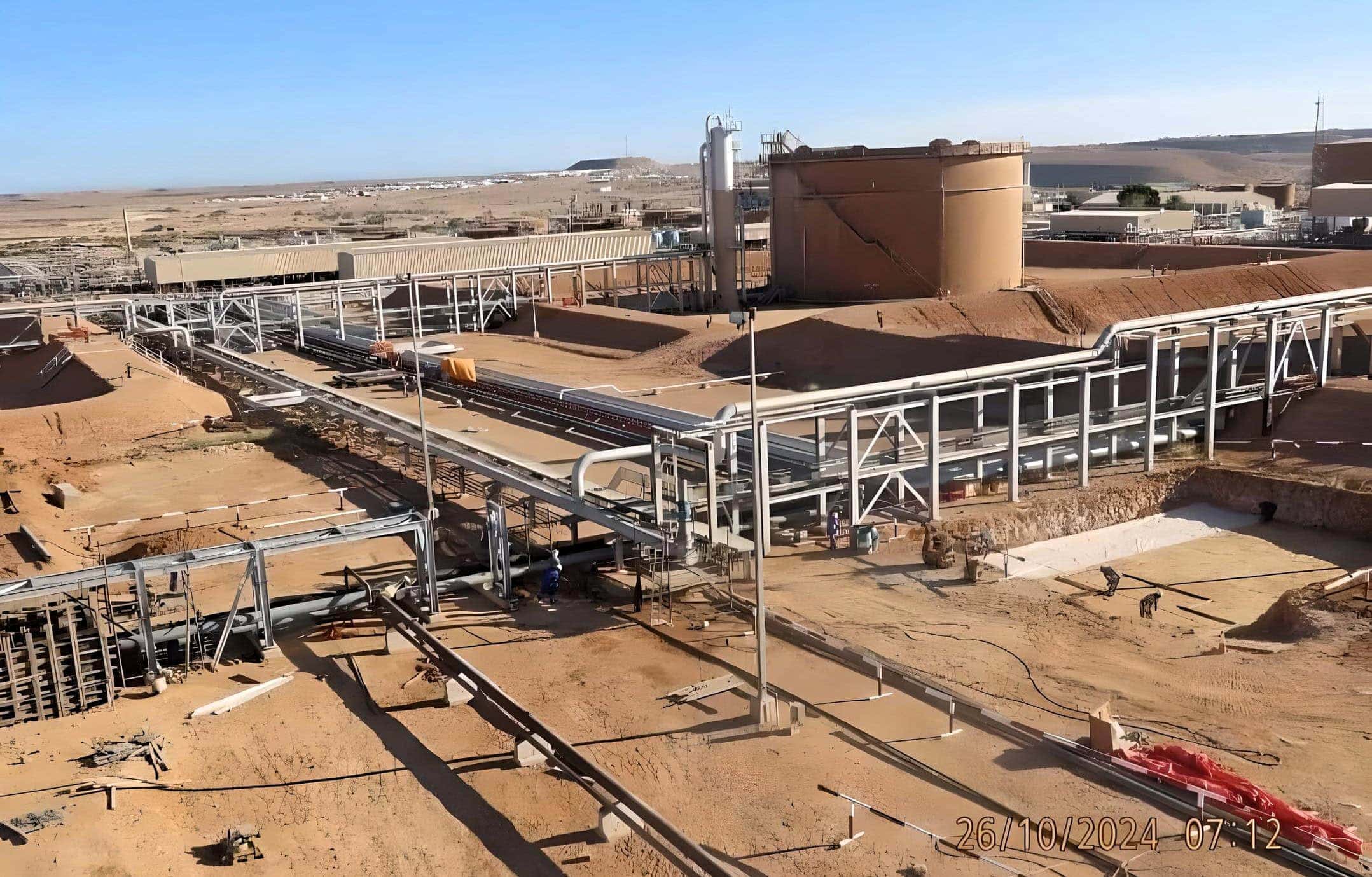
The crisis has also been complicated by shifting external roles. In January, the UAE-based Global South Utilities completed the handover of the Aden (120 MW) and Shabwa (53 MW) solar power plants to Yemen’s Public Electricity Corporation after a government request to end the company’s operations.
The electricity crisis recurs annually with the onset of summer, driven by decades-long structural issues, including fuel shortages, war-related damage, weak revenue collection, aging networks, and heavy reliance on costly thermal generation. While renewable energy projects, such as the Aden solar plant, have provided some relief, they remain insufficient to close the gap.
In the absence of reforms—including improved revenue collection, better fuel expenditure management, maintenance of power plants, and clearer institutional responsibilities—the coming summer could be among the most difficult for residents of South Yemen.



قبل شهرين
قبل 1 شهر

قبل شهرين