مركز سوث24 للأخبار والدراسات
مركز سوث24 للأخبار والدراسات


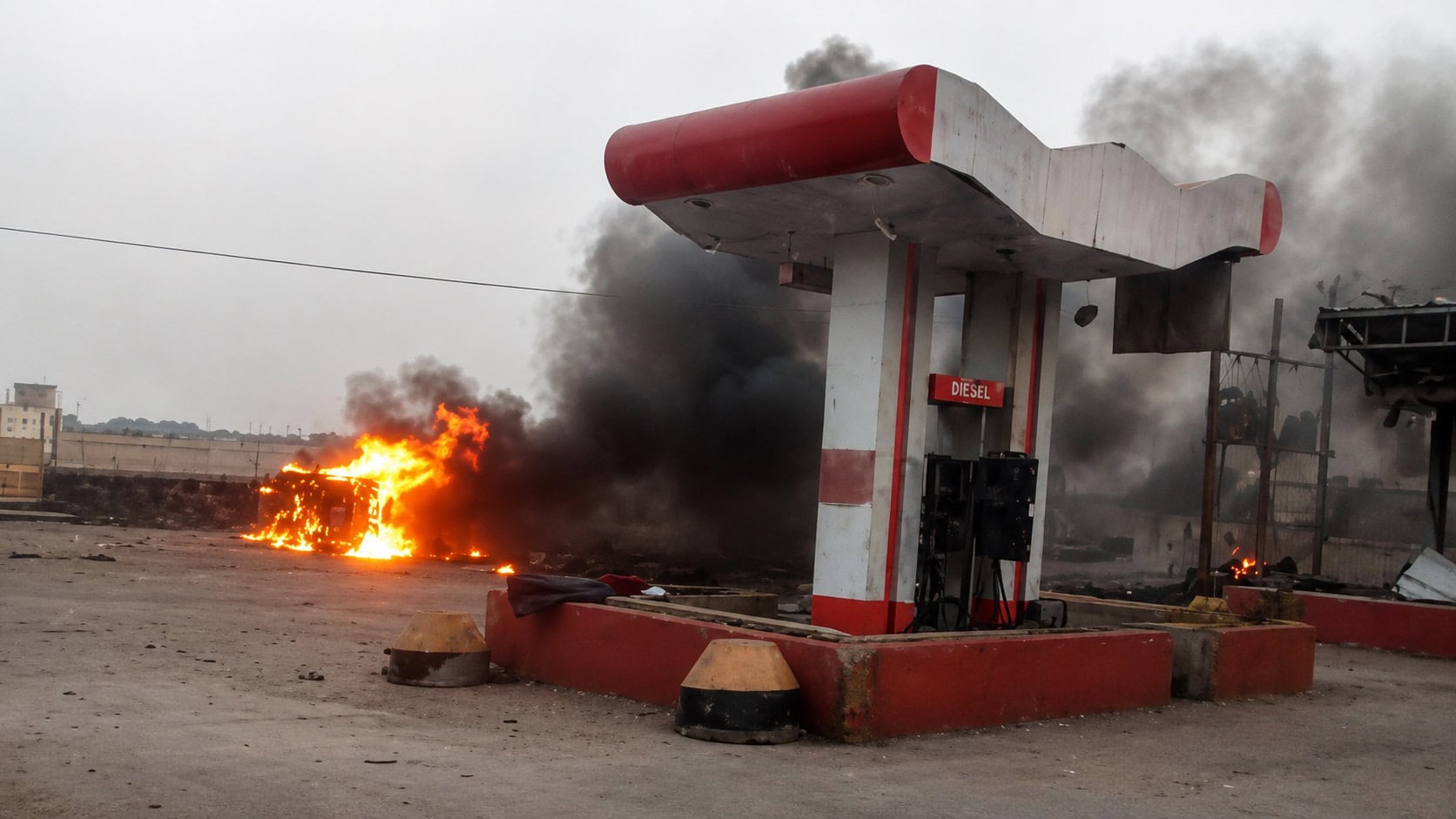
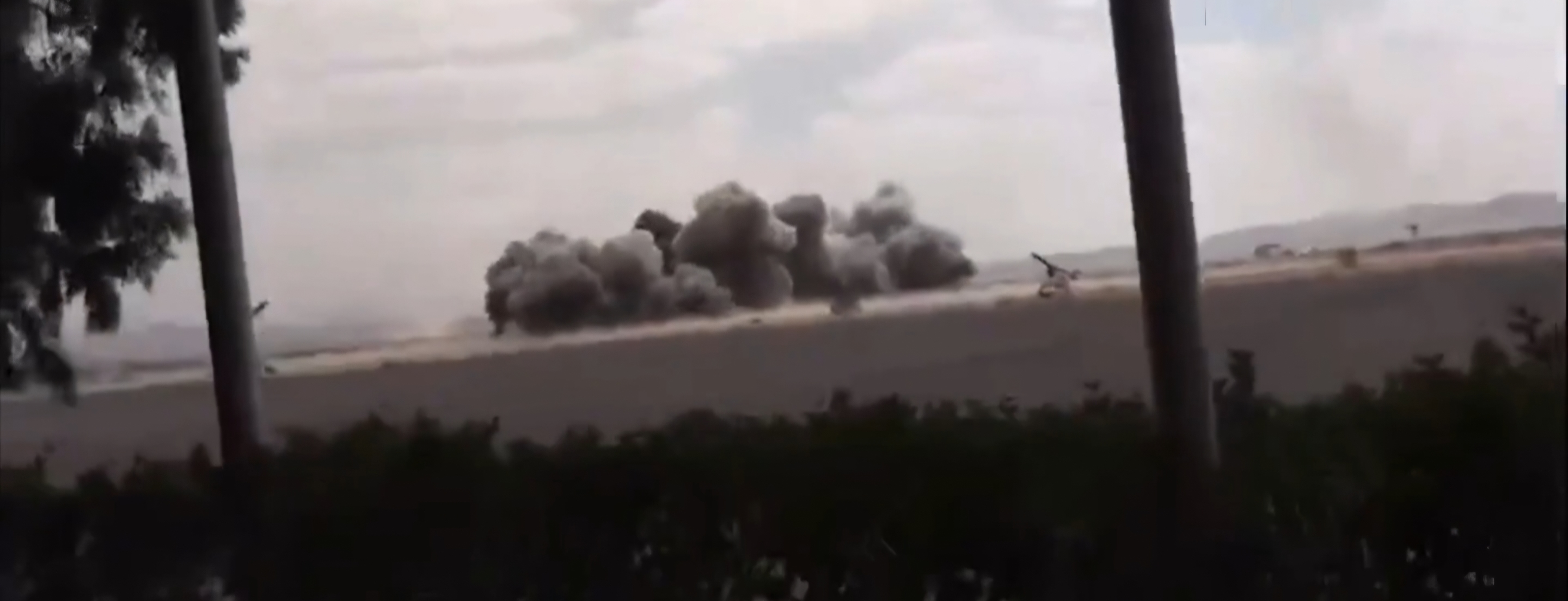
The moment southern military commander Staff Major General Thabit Jawas was assassinated in a car bomb attack north of Aden, June 23, 2022 (RT)
01-07-2026 الساعة 8 مساءً بتوقيت عدن
Aden (South24 Center)
The Legal Affairs and Human Rights Authority of the Southern Transitional Council (STC) has warned against including individuals accused of terrorism or links to internationally designated organizations in the prisoner and detainee exchange agreement signed between the Yemeni government and the Iran-aligned Houthi group.
The agreement was signed in the Jordanian capital, Amman, on May 14, 2026, under the auspices of the United Nations and with the participation of the International Committee of the Red Cross (ICRC). It covers more than 1,600 conflict-related detainees, in what the UN described as the largest arrangement of its kind since the outbreak of Yemen’s current war.
In a statement on Wednesday, July 1, the Authority said prisoner exchange agreements are, in principle, a legitimate humanitarian measure under international humanitarian law. However, it warned that such legitimacy “legally lapses” if the mechanism is used as a cover to release individuals involved in terrorist activities or suspected of links to terrorist organizations.
The Authority said that including members or affiliates of terrorist organizations in exchange lists constitutes a grave violation of national and international legal obligations, and may amount to facilitating the rehabilitation of such elements and their return to the theater of operations.
It stressed that individuals accused of terrorism-related crimes should not be treated under the same legal category as conflict-related detainees covered by humanitarian release arrangements. It said terrorist crimes remain subject to the principle of individual criminal responsibility and must be addressed through judicial procedures.
Citing the Yemeni Constitution, the Penal Code, and the Criminal Procedure Law, the Authority said political or negotiated arrangements cannot cancel criminal responsibility or suspend the enforcement of penalties except through judicial rulings.
It also held government, political, and international parties that participated in, facilitated, or approved the agreement legally and politically responsible for any future acts committed by such individuals, if their prior knowledge of their inclusion is proven.
In this context, the Authority referred to a number of UN Security Council resolutions related to counterterrorism, including resolutions 1373, 1566, 2178, 2396, and 2462, as well as the 1998 Arab Convention on the Suppression of Terrorism.
It called on the United Nations and the international community to open an independent and transparent investigation into the criteria used to select the names included in the exchange lists, and to ensure that humanitarian tracks are not used as a tool for impunity.
The Authority concluded its statement by saying that any settlement not based on justice, accountability, and the rule of law remains “incomplete and vulnerable to collapse.”
The STC’s warning comes weeks after the Yemeni government and the Houthis reached the Amman agreement following 14 weeks of negotiations. The agreement provides for the release of about 1,100 detainees affiliated with or loyal to the Houthis, in exchange for 580 detainees held by the Houthis, including seven Saudis and 20 Sudanese.
The ICRC has said its role in the process is strictly humanitarian, and that it does not determine who is released, does not publish lists, and does not confirm names or final numbers. It said the parties to the conflict are responsible for determining the names and timing of releases.
The STC’s statement followed leaks from journalistic sources claiming that individuals convicted or accused in terrorism cases had been included in the latest exchange deal.
These leaks are linked in particular to the case of those convicted of assassinating Major General Thabit Muthanna Jawas, commander of the Al-Anad Military Axis and one of the most prominent anti-Houthi military commanders in South Yemen.
Jawas was killed on March 23, 2022, when a car bomb targeted his vehicle north of Aden. The attack also killed his son and several of his escorts.
Yemen’s Defense Ministry at the time described the assassination as a terrorist attack, while no group immediately claimed responsibility.
In November 2024, the Specialized Criminal Court in Aden sentenced four people to death after convicting them of involvement in Jawas’ assassination, and sentenced a fifth defendant to ten years in prison. Among those convicted in absentia was former military commander Amjad Khaled, who remains wanted by the authorities in Aden.
Authorities and security agencies in Aden accuse Khaled of leading a cell involved in bombings and assassinations, and of receiving financial and logistical support from the Houthis.
No official list of the prisoners agreed for exchange has been announced so far, and South24 Center has not been able to independently verify these claims.
As a result, the possible inclusion of such figures in any prisoner exchange arrangement has become a politically and security-sensitive issue in South Yemen, where security forces and victims’ families have repeatedly demanded that terrorism cases remain under judicial authority and be excluded from political bargaining.


قبل شهرين
قبل 3 أشهر