مركز سوث24 للأخبار والدراسات
مركز سوث24 للأخبار والدراسات


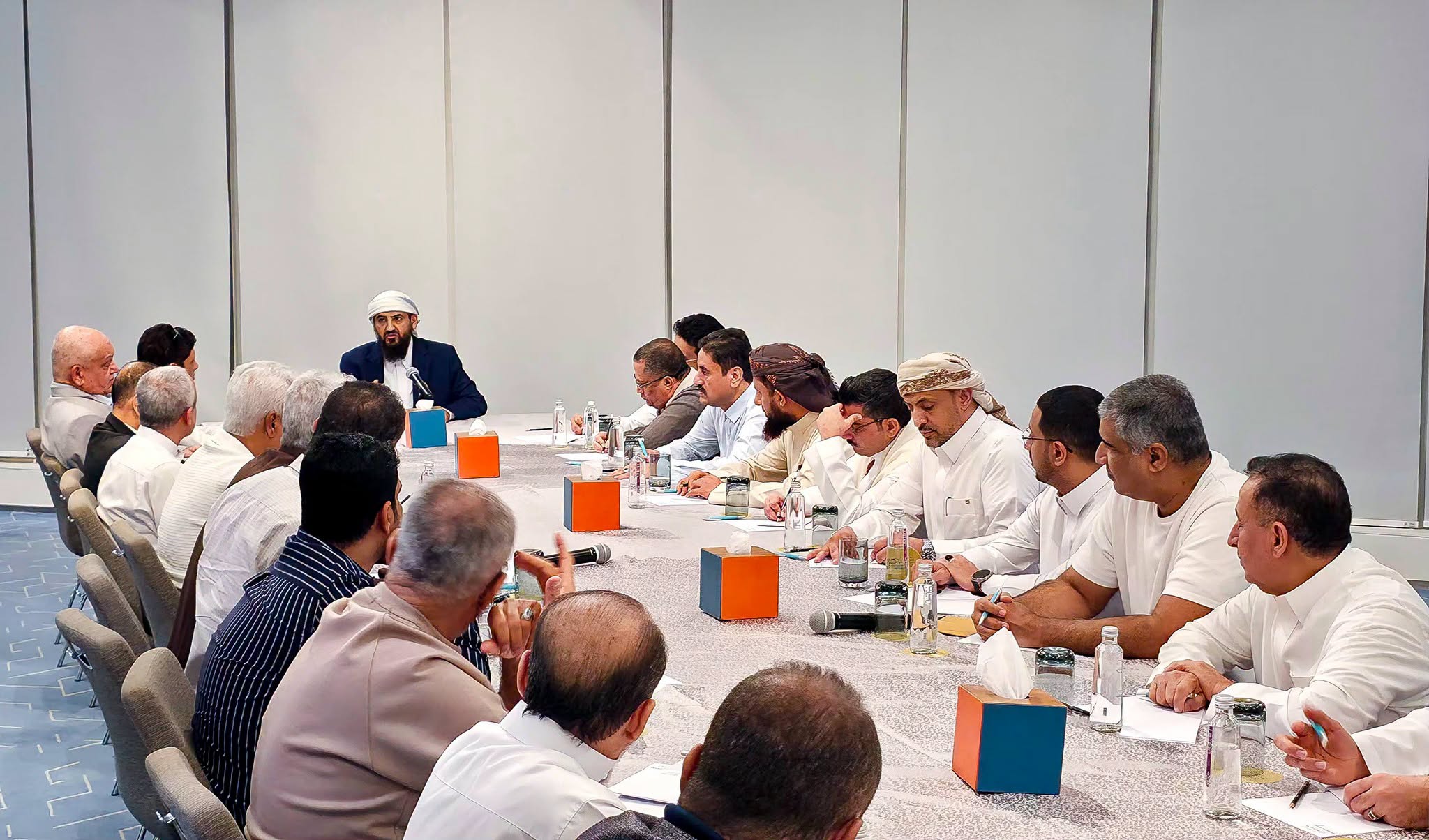
A meeting of the Southern delegation in Riyadh as part of preparations for the Southern dialogue, July 5, 2026. (Southern media outlets)
06-07-2026 الساعة 8 مساءً بتوقيت عدن
Aden (South24 Center)
The Southern Transitional Council (STC) delegation in the Saudi capital, Riyadh, has returned to the political spotlight after an expanded meeting with Presidential Leadership Council (PLC) member Abdulrahman Al-Muharrami, at a time when an official request submitted by members of the delegation to return to Aden remains without a final response, according to information obtained by South24 Center.
The meeting was held on Sunday, July 5, in the presence of the Chairman of the Consultation and Reconciliation Commission, Mohammed Al-Ghaithi. It discussed arrangements related to preparations for the Southern dialogue and the creation of the political and social conditions needed for its success.
According to what was published about the meeting, Al-Muharrami listened to the visions and proposals of the delegation members regarding the requirements of the dialogue and the ways to ensure outcomes that reflect the aspirations of Southerners.
During the meeting, Al-Muharrami emphasized the importance of creating a positive atmosphere that would help ensure the success of the Southern-Southern dialogue and enhance trust and rapprochement among the various people of the South, in a way that supports reaching consensuses that serve the Southern cause.
He also stressed the need for good preparation for the dialogue in a way that strengthens Southern alignment and preserves political gains, while emphasizing the priority of the cause of the people of the South and their right to self-determination and to choose their political future.
However, the meeting comes in a more complex context than its official image suggests. According to an informed source who spoke to South24 Center, members of the Southern delegation signed an official request about two months ago to be allowed to return to Aden, but they have not received a final response so far. The source said the Saudi side informed the signatories that the file “is still under review.”
The source added that members of the delegation were subjected to individual investigations and that their phones were confiscated for days after their arrival in Riyadh. The source also indicated that their stay in the Saudi capital followed dialogue with the Saudi side over developments in Hadramout, amid information about political pressure exerted on the STC delegation, which ended with the announcement of the council’s dissolution last January.
The roots of the crisis go back to early January, when the STC said that a delegation of around 50 members had arrived in Riyadh in an attempt to contain the escalation, before communication with its members was lost and their phones were switched off.
Later, the STC described the statement issued from Riyadh regarding its dissolution as “invalid” and issued under “coercion and pressure,” saying that members of the delegation had been detained and forced to issue statements.
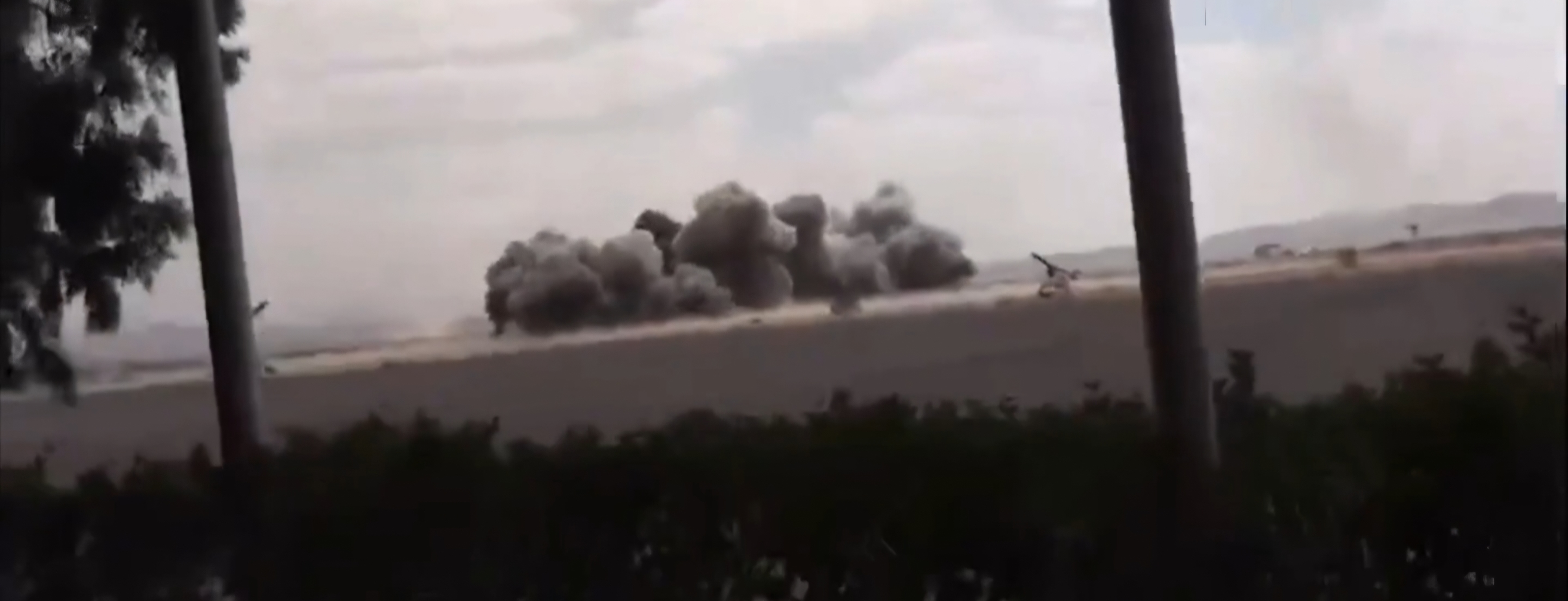
The Hadramout file has become one of the most prominent points of dispute between the STC, Saudi Arabia, and the Yemeni government. In late December and early January, forces affiliated with the council advanced in Hadramout and Al-Mahra, before Saudi-backed forces regained control of the city of Al-Mukalla, the capital of Hadramout, following Saudi airstrikes and the withdrawal of Southern forces.
Hadramout carries particular importance as the largest governorate in South Yemen by area, and because it contains oil resources, seaports, and a direct border with Saudi Arabia.
In parallel with the military and political escalation, Saudi Arabia proposed a path for dialogue among Southern components. The STC initially welcomed the Saudi call for dialogue, but said that any serious dialogue should be based on recognition of the will of the people of the South, a clear timetable, regional and international guarantees, and ultimately a referendum to determine the political future of the South.
Over the past weeks, notable positions have been expressed by some members of the Southern delegation in Riyadh. On June 20, delegation member Ahmed Al-Rubaizi said they hoped Saudi Arabia would review its approach to dealing with the people of the South away from provocations.
On June 18, Fadhl Al-Gaadi said that decisions to freeze the STC’s funds and attempts to impose sanctions on its president, Aidarous Al-Zubaidi, were not fair legal measures. On June 17, Rageh Bakrit called on Southerners to overcome their differences and unite around their land and people.
This coincided with continued security and service-related unrest in South Yemen, particularly in Hadramout and Aden. On June 25, Mohammed Al-Aidha, a correspondent for Al Arabiya and Al Hadath channels, was killed in a car bomb explosion in Al-Mukalla, an incident that once again highlighted the fragility of the security situation in the governorate after the shift in military control there.
The STC linked the security problems in Hadramout to the dismantling of units that had been affiliated with it, such as the Hadrami Elite Forces and the Security Support Brigade.
These developments, along with the return request remaining without a final response, reflect part of the tensions surrounding the Southern dialogue and the relationship between the STC and Saudi Arabia.
Since the beginning of the year until today, the intensive meetings and preparations in Riyadh, as well as the hosting of hundreds of Southern figures, have not resulted in tangible progress on the Southern dialogue track. No date has been announced for the dialogue so far, and no preparatory committee has yet been named.


قبل شهرين
قبل 3 أشهر