SOUTH24 CENTER FOR NEWS & STUDIES
SOUTH24 CENTER FOR NEWS & STUDIES


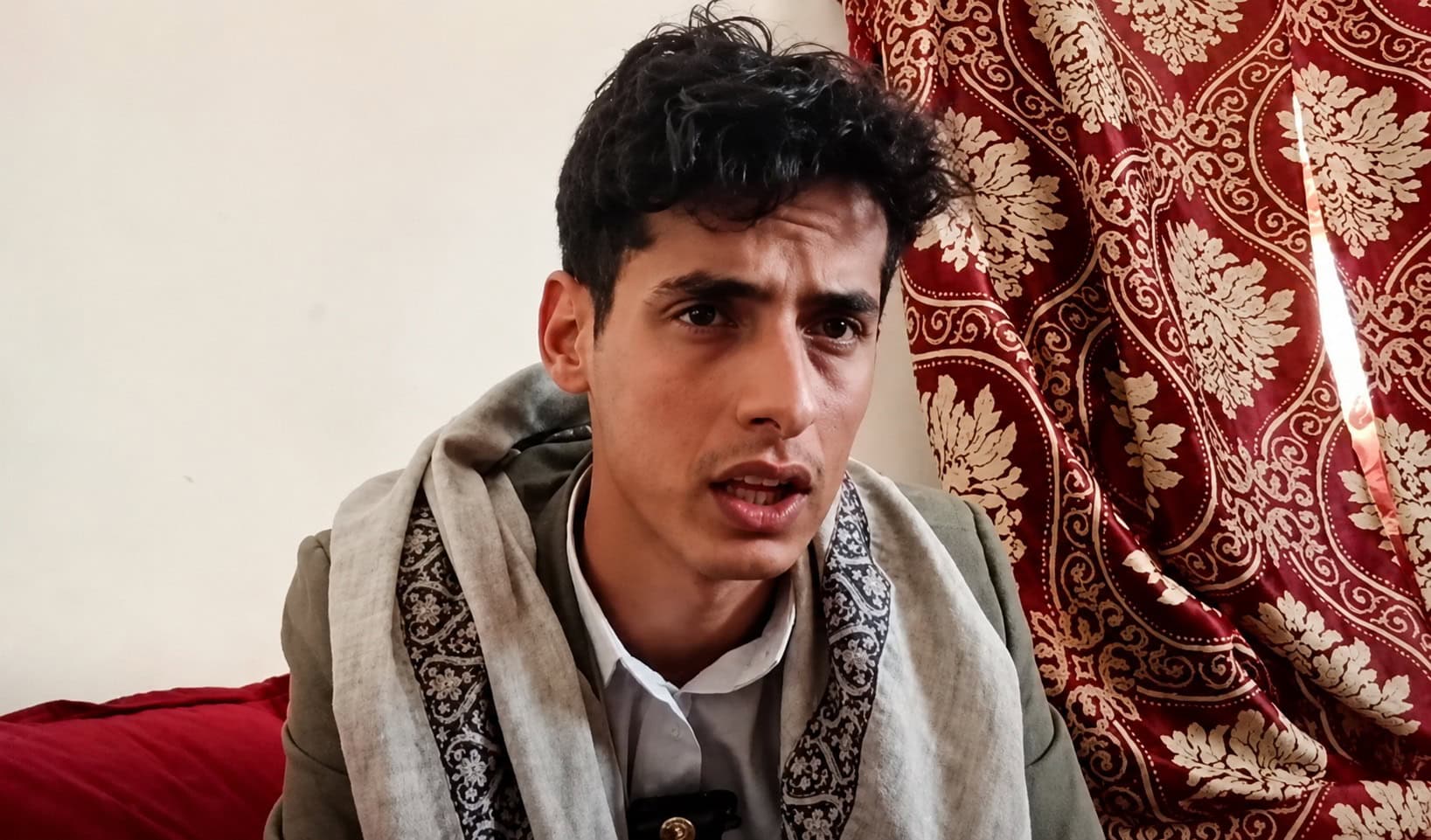
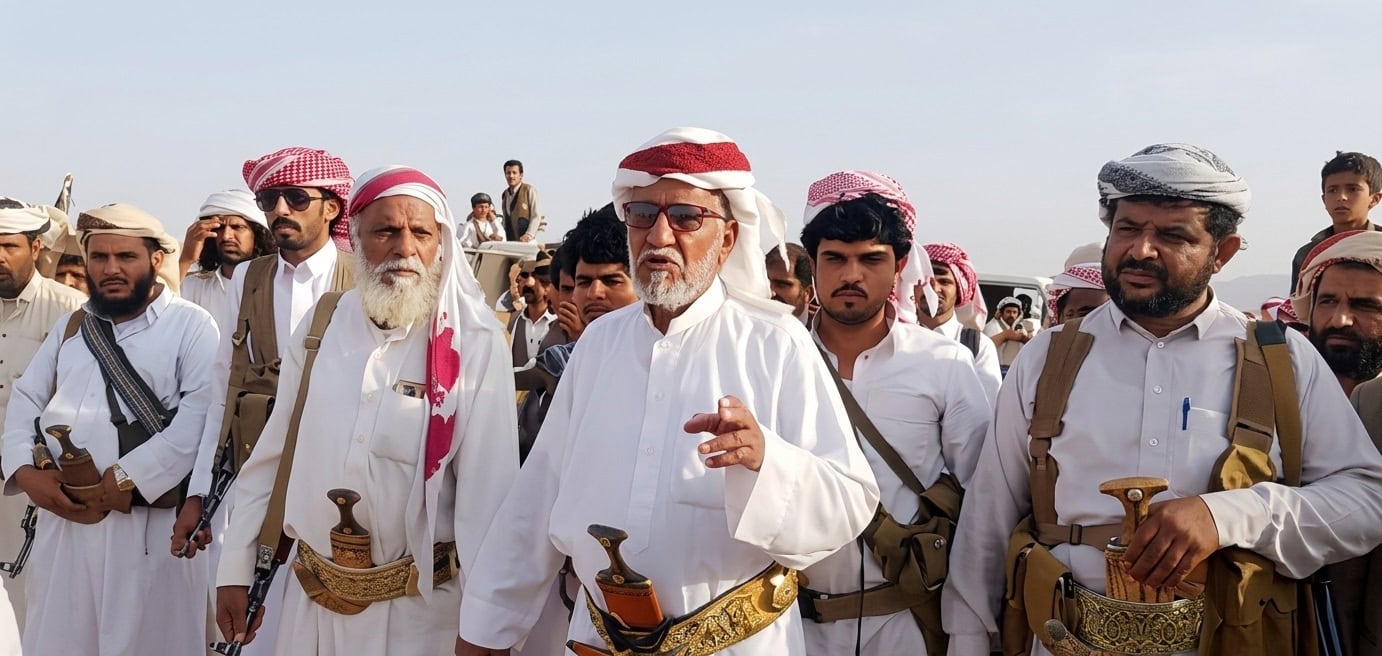
Abed Al-Masraf (still image from a video published by local Yemeni media outlets)
02-06-2026 at 7 PM Aden Time
Aden (South24 Center)
The case of a young Yemeni man from Amran Governorate, North Yemen, has reopened debate over class discrimination and inherited social hierarchies linked to marriage, after he said he had faced repeated threats and pressure because of his marriage to a woman from a different social background.
The young man, who identified himself as Abed Al-Masraf, said in a video clip circulated by local media outlets and activists on Monday (June 1) that he had been pressured to divorce his wife and had received death threats because members of his family and tribe objected to the marriage.
According to his account, the objection was linked to his wife’s social background. He said some of those opposing the marriage viewed her family as belonging to a lower social category, reflecting traditional classifications that remain influential in parts of northern Yemen, particularly in matters of marriage and intermarriage.
Al-Masraf accused members of his family and one of the area’s tribal sheikhs of being behind the pressure campaign against him. He said the harassment had escalated into an attempt to kill him, the storming of his house, the seizure of some of his belongings, and the confiscation of his car, all with the aim of forcing him to end the marital relationship.
In later circulated accounts, Al-Masraf said he had returned from Saudi Arabia, where he had been working, before marrying a woman with whom he had a prior relationship. He said the marriage took place with mutual consent, but was rejected by some members of his family and tribal surroundings because of the social background of his wife’s family.
Some local reports said the wife’s family was associated with the social group locally referred to as “Al-Mazayina”, a term used in some Yemeni tribal environments for families traditionally linked to barbering and similar occupations. Such labels fall within older social classifications that continue to influence marriage choices and social acceptance in some communities.
The case also reflects a wider and deeply rooted social problem in Yemen, where informal hierarchies based on tribal lineage, occupation, skin color, and perceived ancestry continue to affect social relations within some communities, particularly in marriage. Although Yemen’s modern legal framework does not recognize such distinctions, inherited customs in some areas still classify certain families and groups as socially unsuitable for intermarriage with tribal families.
At the bottom of this informal social hierarchy are the Muhamasheen, a Yemeni minority of African descent that has long faced caste-like discrimination and broad social exclusion.
This group has historically been referred to by the derogatory term “Akhdam” and has often been pushed into poverty, informal settlements, and low-paid work, while facing barriers to education, housing, employment, and social integration.
Alongside the Muhamasheen, discrimination in Yemen can also affect families associated with certain traditional occupations. In some tribal environments, professions such as barbering, butchery, leather-related work, music, public performance, café work, and some service jobs have historically carried social stigma.
Some conservative tribal circles may view families associated with these professions as lower in status, even when their members are Muslim, Yemeni, and legally equal to other citizens.
This stigma becomes more visible in marriage, where families may reject unions on the basis of what is known as “lineage compatibility” rather than the consent of the two parties. In many such cases, the objection is not based on law, religion, or official status, but on inherited local ideas about origin, social standing, and what some communities consider an “acceptable family background”.
These classifications vary from one region to another and are not applied uniformly across Yemen.
They are also facing growing criticism from young Yemenis, activists, and rights defenders, who view them as discriminatory social legacies that contradict equality, religious principles, and the right to choose a life partner.
The case sparked widespread engagement on social media platforms, where activists and human rights defenders called on the relevant authorities to investigate the alleged threats, attempted assault, house raid, and seizure of property. They also called for protection for the couple and accountability for any party proven to have been involved in violations outside the framework of the law.
No official statement from the local authorities in Houthi-controlled Amran had been widely circulated by the time of writing.
Previous article