SOUTH24 CENTER FOR NEWS & STUDIES
SOUTH24 CENTER FOR NEWS & STUDIES


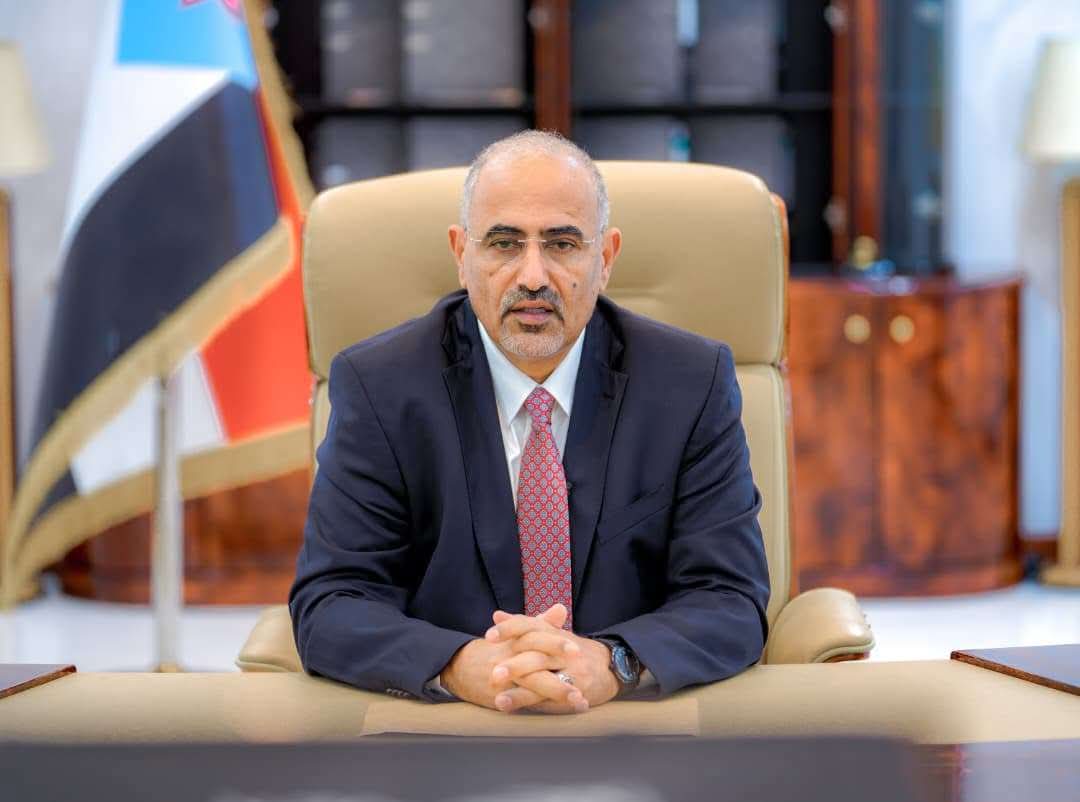
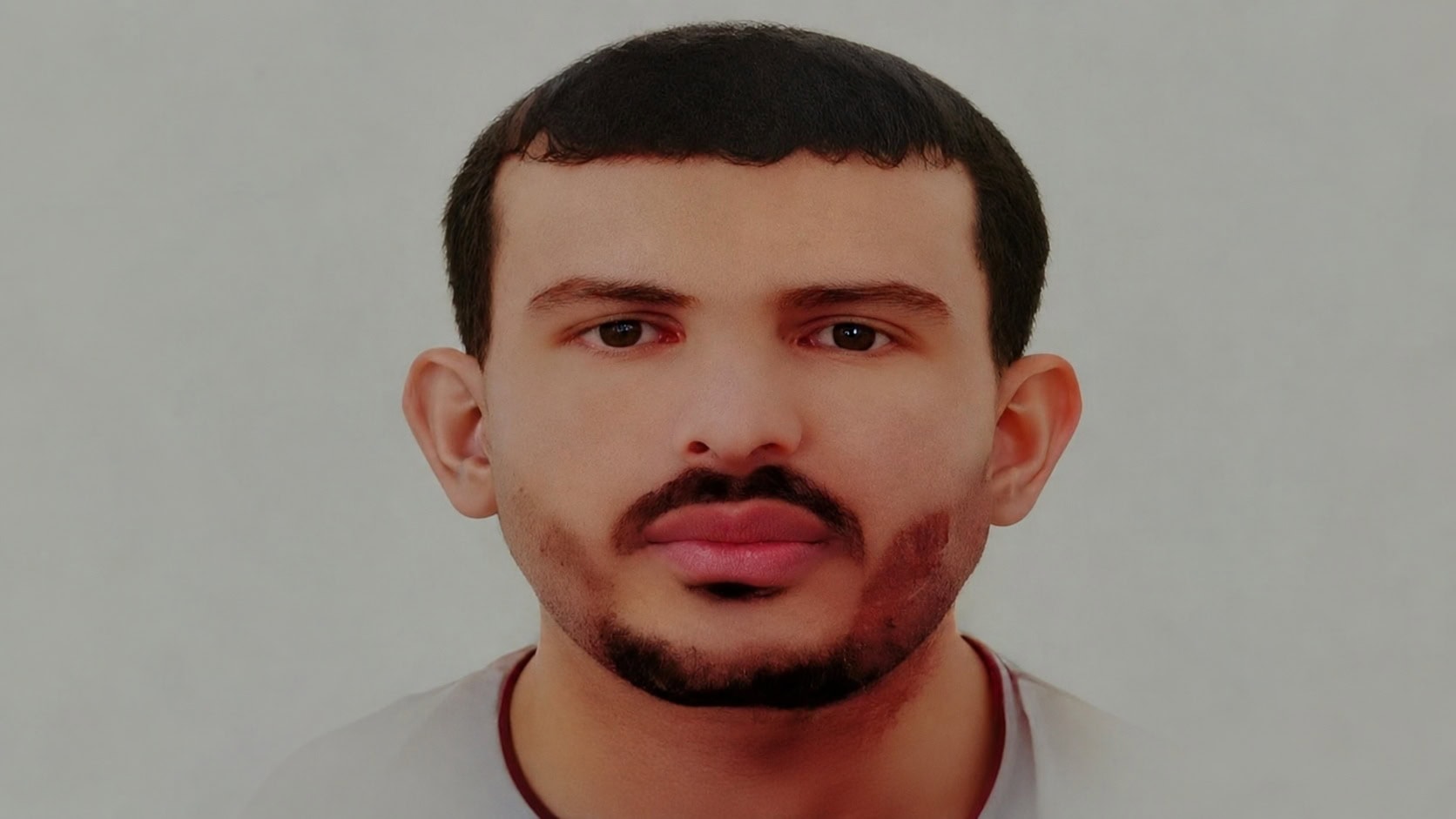
STC President Aidrous Al-Zubaidi (official)
17-06-2026 at 5 PM Aden Time
Aden (South24 Center)
The Yemeni government on Tuesday (June 16) pushed for potential UN action against Southern Transitional Council (STC) President Major General Aidrous Al-Zubaidi after Yemen’s Permanent Representative to the United Nations, Abdullah Al-Saadi, urged the UN Security Council to update the Yemen sanctions framework to include individuals accused by the government of undermining state institutions and obstructing the political process.
In a briefing to the Security Council, Al-Saadi said the government had exercised the “highest degree of restraint” and repeatedly opened the door to dialogue to address internal challenges. However, he accused certain parties and figures of continuing to undermine state institutions and obstruct national, regional, and international commitments.
He added that the government had taken legal and constitutional measures against individuals allegedly involved in “acts of rebellion, corruption, and serious human rights violations”, naming Al-Zubaidi among those he said face accusations of “high treason”.
Al-Saadi called on the Security Council and the Yemen Sanctions Committee to update the sanctions list to include individuals and entities proven to be involved in sabotage, obstructing the political process, or imposing unilateral measures by force.
The briefing coincided with prominent coverage by Saudi media outlets, including Al Arabiya, Al Hadath, and Okaz, which used strongly worded descriptions of the STC.
Al Arabiya and Al Hadath published reports describing the STC as “dissolved” and highlighted a decision by Yemen’s Attorney General to freeze its assets. Al Hadath also framed the government’s move at the Security Council as a call to sanction “obstructors of the political process”, prominently featuring Al-Zubaidi among those targeted.
According to local monitoring, the campaign was also joined by Yemeni activists and journalists known for their proximity to Riyadh or their work with Saudi-funded platforms, reinforcing the STC’s claims that the move was not merely a media push but part of a broader political pressure campaign targeting its leadership.
The developments come as Aden and other southern governorates face a worsening deterioration in basic services, particularly electricity, fuel supplies, and salary payments, amid growing public anger and protests over the continued economic and service collapse in government-controlled areas.
In an official response, STC spokesman Anwar Al-Tamimi said the developments represented a continuation of what he described as the “hostile approach of the Saudi tutelage authorities” toward the people of the South and their national cause.
In a statement, Al-Tamimi said the “diplomatic, media, and political arms” of those authorities had orchestrated a “campaign of lies and fabrications” targeting the STC under Al-Zubaidi’s leadership. He argued that the timing of the campaign was intended to divert attention from the failure to manage conditions in the South.
According to the statement, the campaign also seeks to “facilitate a deal of submission to the Houthis and hand them control over the wealth and resources of South Arabia”, after the Houthis had become, in his words, the “sole ruler in Sanaa”.
There was no immediate response from either the Yemeni government or Saudi Arabia to Al-Tamimi’s statement.
Al-Tamimi further argued that the remarks made by the representative of the “Republic of Yemen” at the United Nations amounted to “recycling internal disputes” and did not reflect the core political issues at stake. He warned against “oversimplifying a complex reality” or presenting a partial picture that fails to reflect conditions on the ground.
The STC rejected the accusations against it, saying they were not supported by official documents or evidence submitted through established UN Security Council mechanisms. It stressed that all parties should assume responsibility for their actions and that others should not be blamed for decisions they did not make.
Al-Tamimi also accused Presidential Leadership Council Chairman Rashad Al-Alimi of being among the leading figures with what he described as a “bloody history” toward Southerners and their cause. He alleged that Al-Alimi had overseen plans to eliminate leaders of the Southern Movement and accused him of involvement in corruption cases and the unlawful acquisition of public funds, including control over oil sectors in the South.
The STC statement went beyond responding to the government’s accusations, warning against calls to close its offices and headquarters or restrict its leaders and members. It said such an approach would lead to confrontation with the Southern population.
Al-Tamimi stated that the STC remains committed to democratic principles and respect for public freedoms as the foundation of any stable and responsible political process. However, he warned that continued escalation against the council’s institutions and leadership would be met with corresponding practical measures.
The STC also called on the United Nations and the international community to pressure Saudi Arabia to secure the immediate and unconditional release of an STC delegation that it says has been detained in Riyadh since January 2026.
The statement said that building peace in this strategic region requires trust and partnership, and that rhetoric based on accusations of treason cannot serve as a foundation for a sustainable political settlement.
The council further urged the international community to reconsider its approach toward what it described as the “new reality” in the South following the events of January 2026, arguing that this reality had been imposed through Saudi military, political, and diplomatic pressure and lacked popular legitimacy.
Al-Tamimi added that the relative calm observed in the South by the UN envoy and international observers was the result of the STC’s policy of restraint and its desire to avoid confrontation, warning that continued pressure could lead to serious consequences.
The political confrontation comes as the United Nations seeks to reactivate military communication channels among the parties to the Yemeni conflict.
In his Security Council briefing on the same day, UN Special Envoy for Yemen Hans Grundberg said his office intends to convene a trilateral meeting under the Military Coordination Committee framework involving representatives of the Yemeni government, the Houthis, and the Saudi-led coalition’s Joint Forces Command.
The briefings by Al-Saadi and Grundberg came ahead of an anticipated US-Iran agreement on Friday (June 19), after Washington and Tehran reportedly reached a preliminary understanding to halt military operations and begin a 60-day negotiation process aimed at achieving a permanent settlement.
Saudi Arabia welcomed the US-Iran understanding, expressing hope that it would lead to a lasting agreement that takes into account the security interests of countries in the region.
The UN Security Council established the Yemen sanctions regime under Resolution 2140 in 2014, targeting individuals and entities that threaten peace, security, and stability in Yemen or obstruct the political process.
The sanctions framework includes measures such as asset freezes and travel bans against listed individuals and entities. In November 2025, the Security Council renewed the Yemen sanctions regime until November 14, 2026, under Resolution 2801, and extended the mandate of the Panel of Experts until December 15, 2026.