SOUTH24 CENTER FOR NEWS & STUDIES
SOUTH24 CENTER FOR NEWS & STUDIES


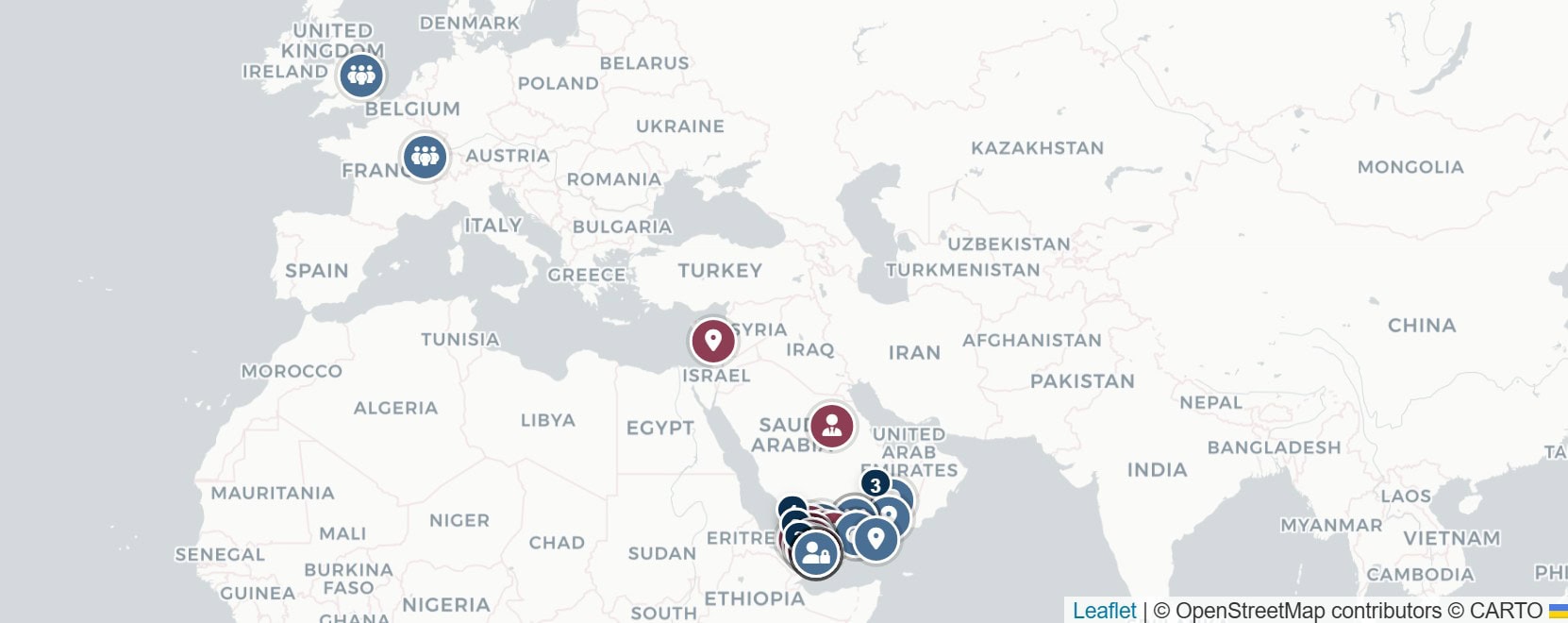
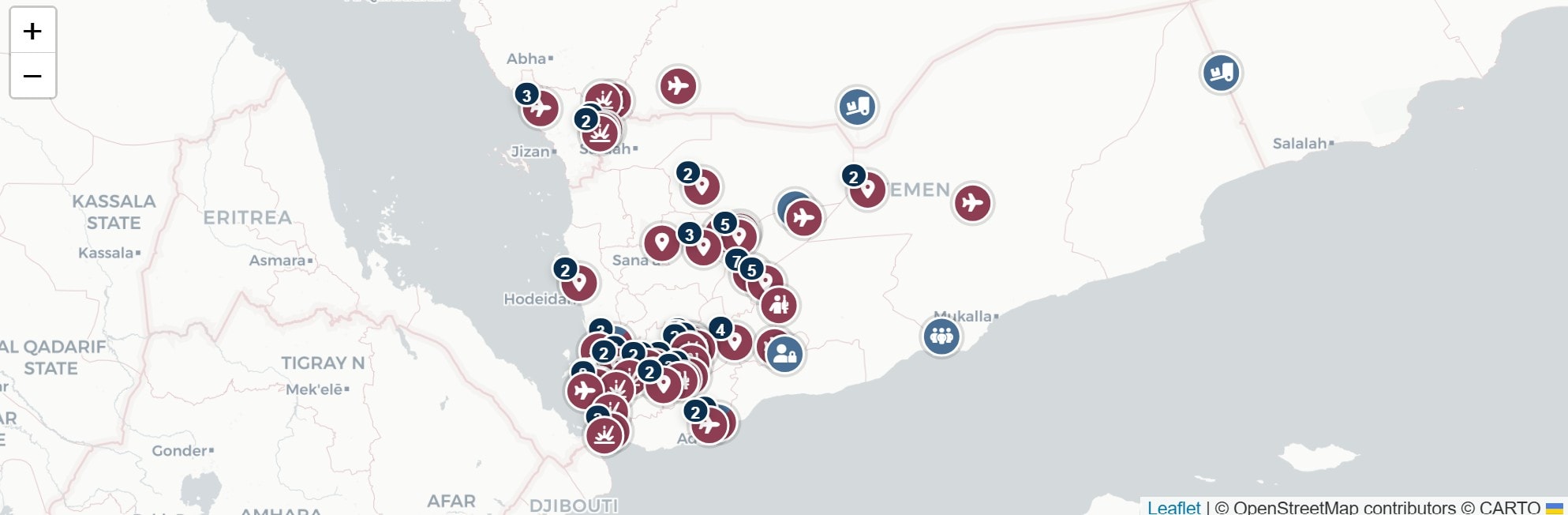
Interactive Map – By South24 Center © OpenStreetMap
Last updated on: 27-06-2026 at 2 PM Aden Time

Aden (South24)
South Yemen’s governorates witnessed a series of overlapping security and military developments between June 13 and 26, centered on the suppression of peaceful events and protests, the arrest of activists and participants, the killing of journalist Mohammed Al-Aidha in Al-Mukalla, and the killing and injury of nearly 13 children in Al-Dhalea in an explosion caused by Houthi war remnants. These developments coincided with rising Houthi threats and field escalation on several fronts.
In Aden, rights sources reported arrests in Crater targeting activists over demands to improve electricity services, before they were later released. On June 20, Saudi-backed security forces stormed Al-Arood Square and fired live ammunition heavily to disperse protesters ahead of an event called for by the Southern Transitional Council (STC) under the slogan “The Million-Man Rally to Reject Saudi Tutelage and Oppose Occupation.” Despite the tightened measures, the event was later held with the participation of tens of thousands of STC supporters.
The security restrictions extended to Hadramout, where Al-Mukalla witnessed tightened measures during a similar event. These included detaining delegations coming from Brom Mayfa, blocking roads leading to the gathering square, preventing crowds from reaching the site, and arresting participants. In Seiyun, security forces stormed the square of a pro-STC event attended by thousands of civilians and fired live ammunition to disperse the demonstrators, before carrying out wide-scale arrests that targeted around 80 participants. Seventy-seven of them were later released.
In a related context, seven members of the British Parliament condemned the violence against peaceful protesters in Hadramout, Aden, and Shabwa. In an Early Day Motion submitted to Parliament, they called on the British government to support an independent and transparent investigation into the killing of Southern protesters and to back a political solution that reflects the aspirations of the people of South Yemen.
In Al-Mukalla, journalist Mohammed Al-Aidha, a correspondent for Al-Arabiya, was killed when an explosive device targeted his car. According to the available facts, investigations showed that the device was locally made, planted under the driver’s seat, and detonated remotely. The Southern Transitional Council condemned the assassination, saying it reflected the activity of terrorist groups in Al-Mukalla and Hadramout Coast.
In Al-Dhalea, five children were killed and eight others injured when an explosive object left behind by the Houthis detonated in Al-Ribi village in Hajar area after the children found it while playing. UN Envoy Hans Grundberg, the British Embassy, and other international organizations expressed their deep condolences over the tragedy. This coincided with Houthi military escalation on Al-Dhalea fronts, including mortar shelling in Al-Fakher, drone flights in the north of the governorate, and casualties among Southern forces in Bab Ghalq, Battar, and Al-Fakher.
These developments came in parallel with escalating Houthi threats. Abdul-Malik Al-Houthi warned against any moves he described as hostile and later threatened to target any Israeli activity in Somaliland. Meanwhile, the group called for general mobilization and said its forces number hundreds of thousands of fighters and hundreds of military brigades. The fronts of Beihan, Al-Hodeidah, Haifan, Karsh, and Al-Musaymir also witnessed clashes or attempted Houthi attacks, indicating an expansion in the scope of escalation during the same period.
To browse the full interactive map below:
Previous article