SOUTH24 CENTER FOR NEWS & STUDIES
SOUTH24 CENTER FOR NEWS & STUDIES


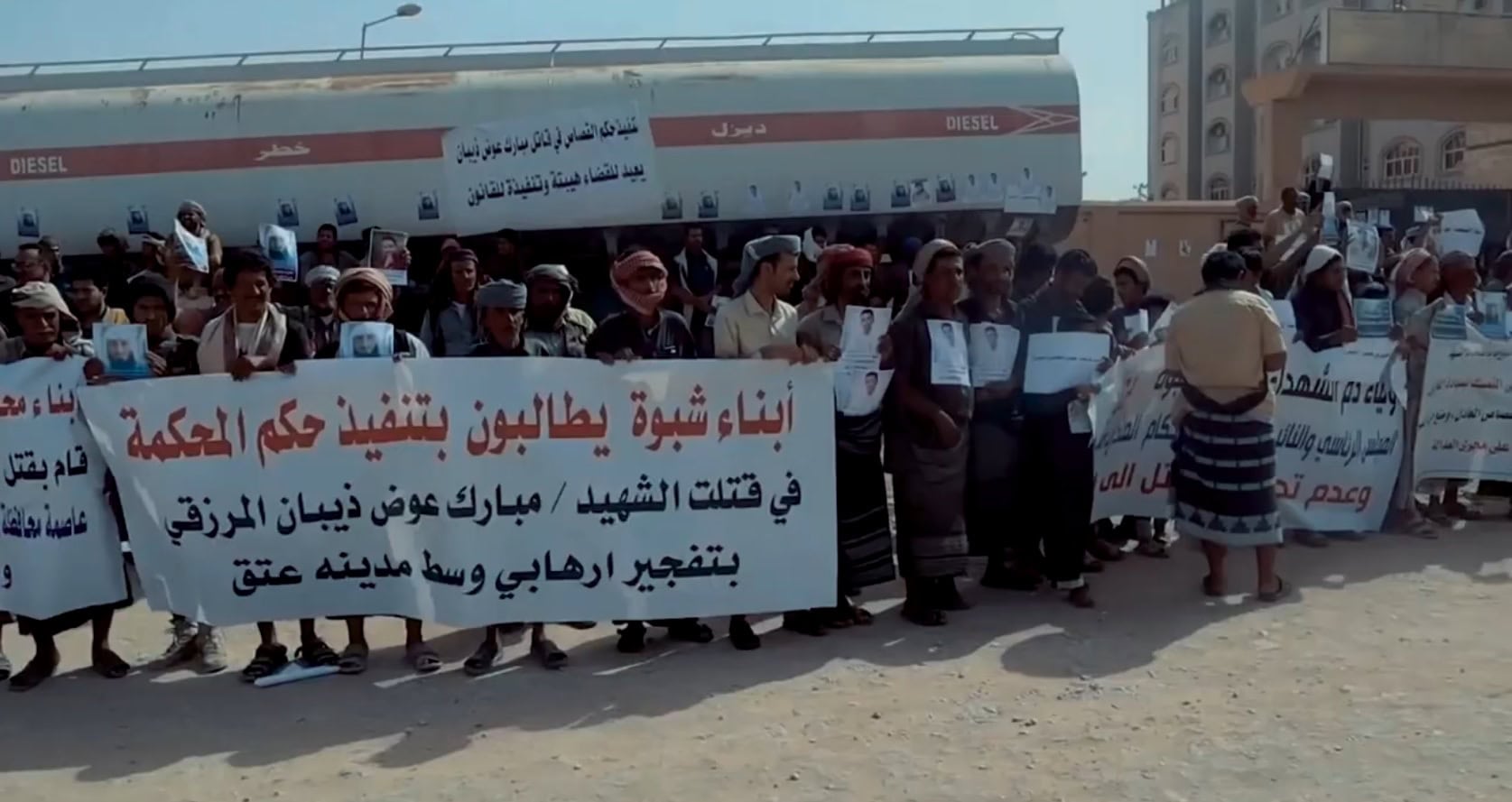
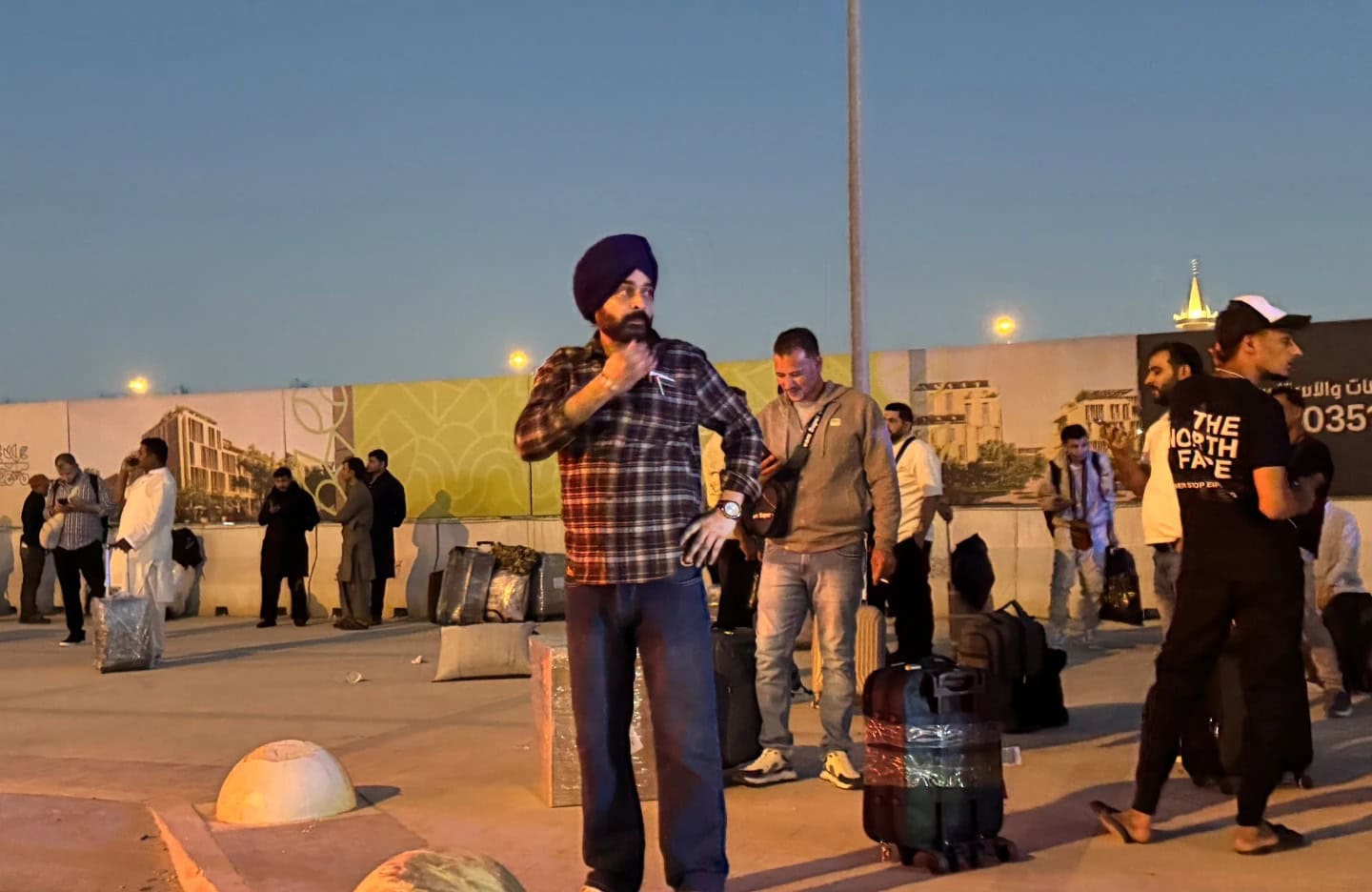
Victims’ families protest in Shabwa, demanding enforcement of court rulings in terrorism-related cases, including the killing of Mubarak Awad Dheiban Al-Razqi. Shabwa, Yemen, July 9, 2026. (South24 Center)
09-07-2026 at 9 PM Aden Time
Aden (South24 Center)
Tribal and human rights warnings are mounting in South Yemen over reports that individuals convicted or accused in assassination cases and terrorism-related crimes may be included in a planned prisoner exchange between the internationally recognized Yemeni government and the Iran-aligned Houthi group.
In recent days, the controversy has expanded from legal objections to public protests and tribal gatherings, reflecting growing concern that the humanitarian track of prisoner exchanges could turn into a means of bypassing judicial rulings or releasing individuals involved in attacks that targeted southern political and military figures.
The warnings followed leaks suggesting that names linked to assassination cases may have been included in the exchange lists. No full official list has been publicly released so far.
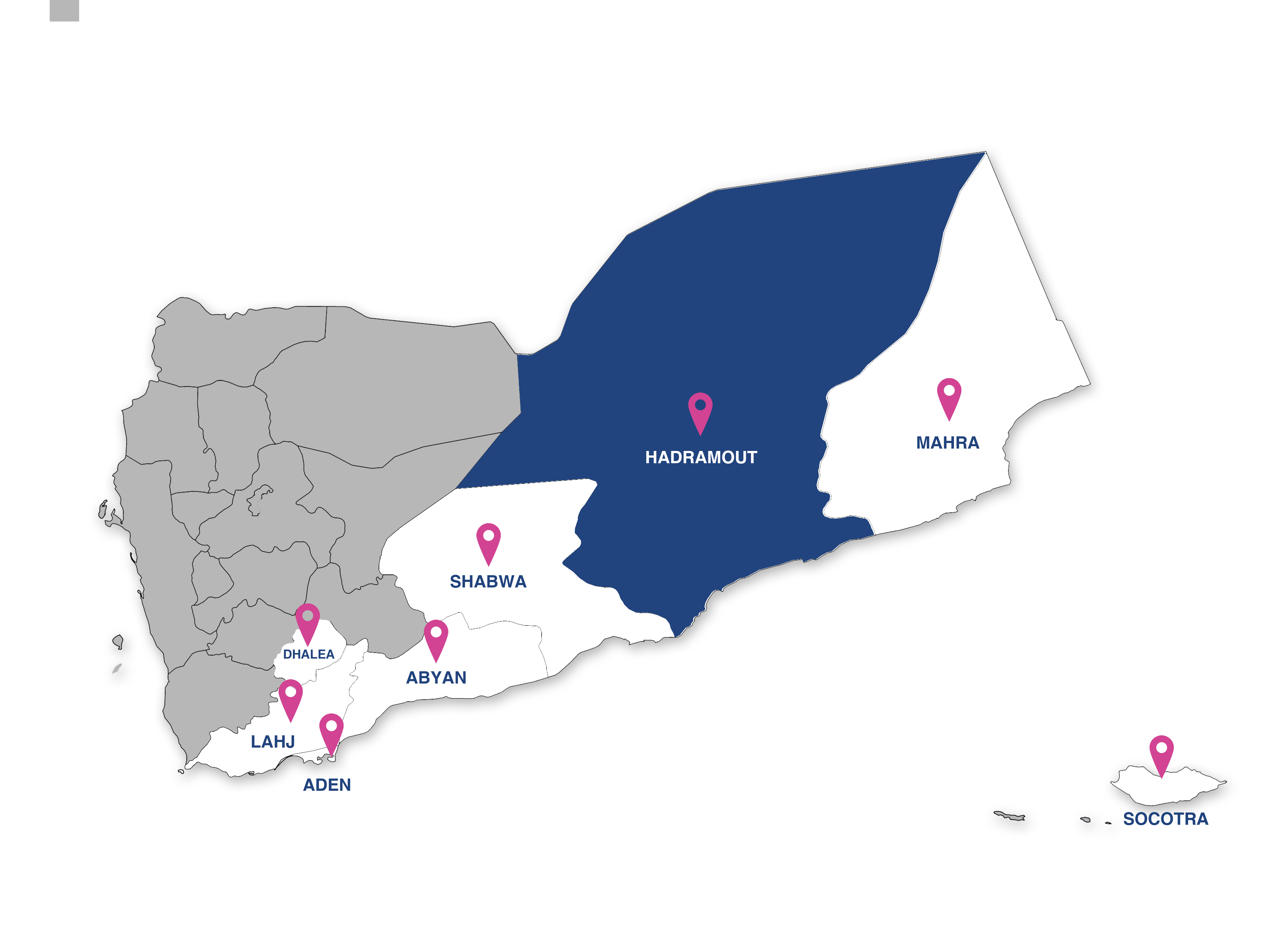
On Tuesday, July 7, families of victims of terrorist attacks staged a protest outside the gates of Al-Maashiq Presidential Palace in Aden, rejecting any move to release people convicted of killing their relatives as part of the swap deal. The families said such a step would undermine justice and directly threaten security in governorates under government control.
The following day, members and tribes of Radfan held a large tribal meeting in Aden and gave the authorities 24 hours to clarify their position on reports concerning the possible inclusion of the killers of Major General Thabit Muthanna Jawas and five of his companions in the planned deal.
The meeting’s statement said the circulated lists included names against whom judicial verdicts had been issued in the Jawas assassination case. It warned of armed tribal escalation if the authorities failed to respond, arguing that including convicted individuals in the exchange lists would amount to “legitimizing terrorism and rewarding criminals.”
Jawas, the commander of the Al-Anad Military Axis and one of the most prominent southern military commanders who fought the Houthis, was killed on March 23, 2022, when an explosive device targeted his convoy in the Green City area north of Aden. Yemeni authorities at the time accused the Houthi group of orchestrating the attack through a terrorist cell.
In Dhalea, the leadership of the Southern Transitional Council (STC) in the governorate held an expanded meeting on Thursday with the participation of political, military, tribal, and civil figures, as well as relatives of victims from various districts.
Participants rejected any attempt to include the killers of southern martyrs in prisoner exchange arrangements, foremost among them those involved in the killing of the son of the head of the STC’s Security Department, who was killed by an explosive device that detonated in his car in Aden in February 2024.
Brigadier General Abdullah Mahdi Said, head of the STC in Dhalea, said the governorate would not accept any measures that compromise the rights of victims’ families or bypass the judiciary.
In Shabwa, families of victims staged a protest on Thursday rejecting the inclusion of individuals convicted of killing their relatives in the prisoner exchange lists.
The families said some of the convicts had operated within Houthi-linked cells and were involved in bombing and assassination cases in Shabwa and Aden, including the case of Mubarak Awad Dheiban Al-Razqi, according to protest banners, and the October 10, 2021 attack on Aden Governor Ahmed Hamed Lamlas’ convoy.
The head of the STC in the Shabwa, Lahmar Ali Laswad, linked the issue to the broader understandings between Riyadh and Sana’a, mediated by Muscat.
He said these understandings raise a fundamental question about the fate of the blood of southern leaders and the rights of victims’ families, calling on southerners not to remain silent in the face of any deal that undermines those rights.
The controversy comes less than two months after the Yemeni government and the Houthis signed a broad prisoner exchange agreement in Amman on May 14, following 14 weeks of negotiations under the auspices of the United Nations and the International Committee of the Red Cross.
According to international reports, the agreement covers more than 1,600 detainees, including 1,100 Houthi prisoners to be released by the government and 580 detainees to be released by the Houthis, among them Saudi and Sudanese nationals.
The two sides also agreed to hold another round of talks, conduct mutual visits to detention facilities, and develop an implementation plan with the participation of the International Committee of the Red Cross. No specific date has yet been announced for the release operation.
On July 1, the Legal Affairs and Human Rights Authority of the Southern Transitional Council warned against including elements linked to terrorist organizations in the prisoner exchange agreement signed in Amman. The authority said humanitarian tracks lose their legitimacy if they turn into a cover for evading justice.
Previous article