SOUTH24 CENTER FOR NEWS & STUDIES
SOUTH24 CENTER FOR NEWS & STUDIES


PLC Chairman Rashad Al-Alimi delivers a televised address announcing plans to resume Yemen’s oil exports, July 20, 2026. (Yemen’s state-run Saba News Agency)
21-07-2026 at 4 PM Aden Time
Aden (South24 Center)
The Yemeni Presidential Leadership Council (PLC) announced on Monday, July 20, that it would begin working to resume oil exports, which have been suspended since late 2022, and direct the revenues toward paying salaries, improving public services, and strengthening economic stability.
PLC Chairman Rashad Al-Alimi said in a televised address that the move was intended to return the country’s wealth to its citizens rather than allow it to remain, in his words, “hostage to the militia’s adventures and blackmail.”
The announcement did not specify when exports would actually resume, which terminals would be used, or what security arrangements would be put in place to protect export facilities in Hadramout and Shabwa from possible Houthi attacks.
It came hours after the Houthis announced what they described as a “maritime blockade” on Saudi Arabia and warned vessels against dealing with Saudi ports, amid a renewed escalation threatening shipping through the Red Sea and Bab Al-Mandab.
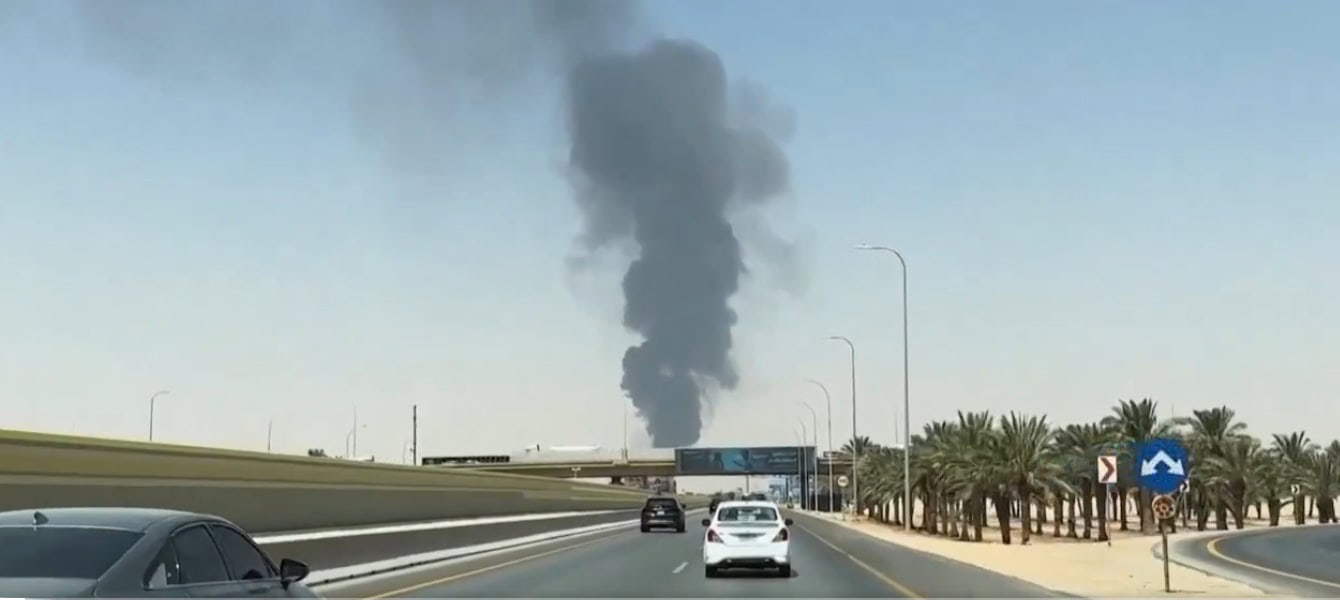
Yemen’s oil exports were halted after Houthi drone attacks targeted the Al-Dhabba terminal in Hadramout and the Al-Nushayma terminal in Shabwa in late 2022, depriving the government of one of its main sources of revenue and deepening the economic and public service crisis in areas under its control.
The PLC announcement prompted two competing interpretations. Some observers viewed it as a direct challenge to the Houthis and an attempt to break the blockade they imposed by force on oil exports, particularly after Al-Alimi accused the group of choosing escalation and rejecting humanitarian initiatives.
Other analysts, however, said the pledge to direct revenues to Yemenis across the country could signal a return to the UN-led roadmap. This could include allocating part of the oil revenues to pay salaries in Houthi-controlled areas of North Yemen in exchange for the group reducing its threats against Saudi Arabia, oil facilities, and maritime shipping.
The announcement remains unclear on whether the revenues would be managed entirely through the Central Bank of Yemen in Aden or subjected to revenue-sharing arrangements with the Houthis as part of broader political and economic understandings.
The decision also drew Southern objections to using revenues from oil produced in Hadramout and Shabwa to finance Houthi-controlled areas, while the governorates of South Yemen continue to suffer from delayed salaries and deteriorating public services.
Rajeh Bakrit, a member of the Southern delegation currently in Riyadh, said: “It is unacceptable to talk about resuming oil exports and directing their revenues to all Yemenis while the people of the South suffer from collapsing services and delayed salaries.”
Bakrit questioned the right to manage the resources of Southern governorates without giving priority to their residents. He added that these governorates hand over all their revenues, while other governorates do not transfer their income to the Central Bank in Aden, foremost among them gas-rich Marib.
The Southern Transitional Council has also previously rejected using the South’s oil resources to pay the salaries of members of the Houthi-run military, security, and civilian institutions, describing these resources as a sovereign right of the people of the South.
The nature of the move will ultimately depend on how it is implemented. If exports resume under government management without granting the Houthis a share of the revenues, the step would constitute a direct challenge to the group.
However, if the resumption is linked to a revenue-sharing agreement in return for ending Houthi threats, it could mark the beginning of implementing the economic provisions of the roadmap—and a new concession to the Houthis.
South24 Center
Previous article