SOUTH24 CENTER FOR NEWS & STUDIES
SOUTH24 CENTER FOR NEWS & STUDIES


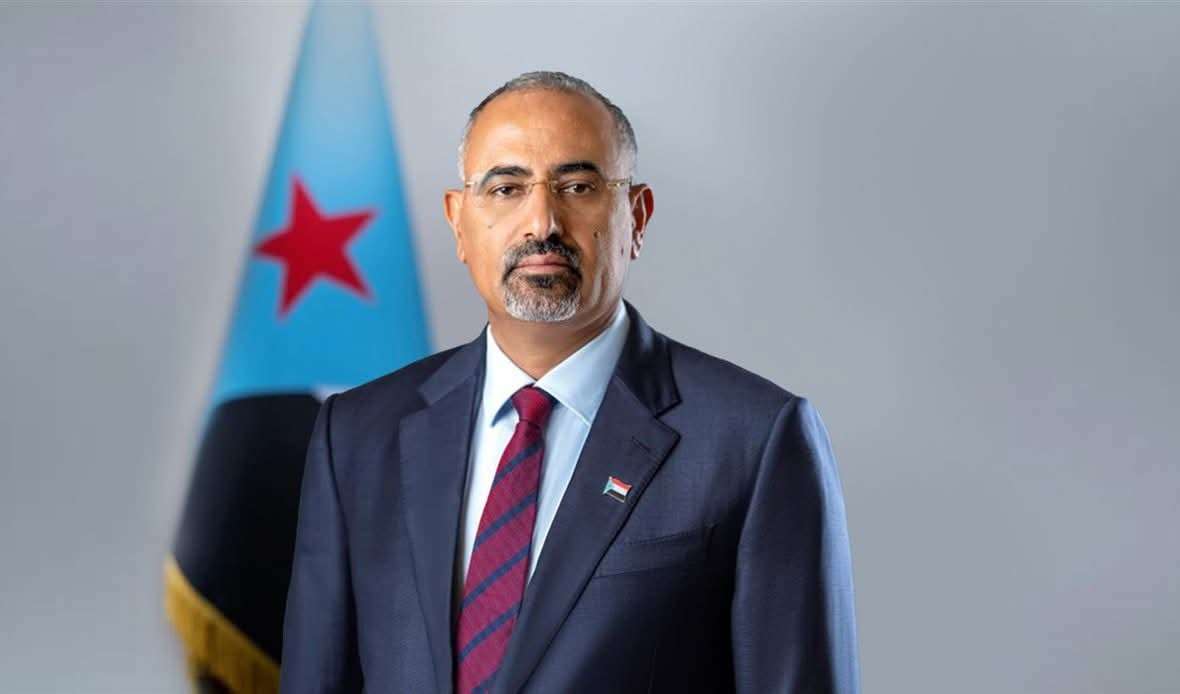
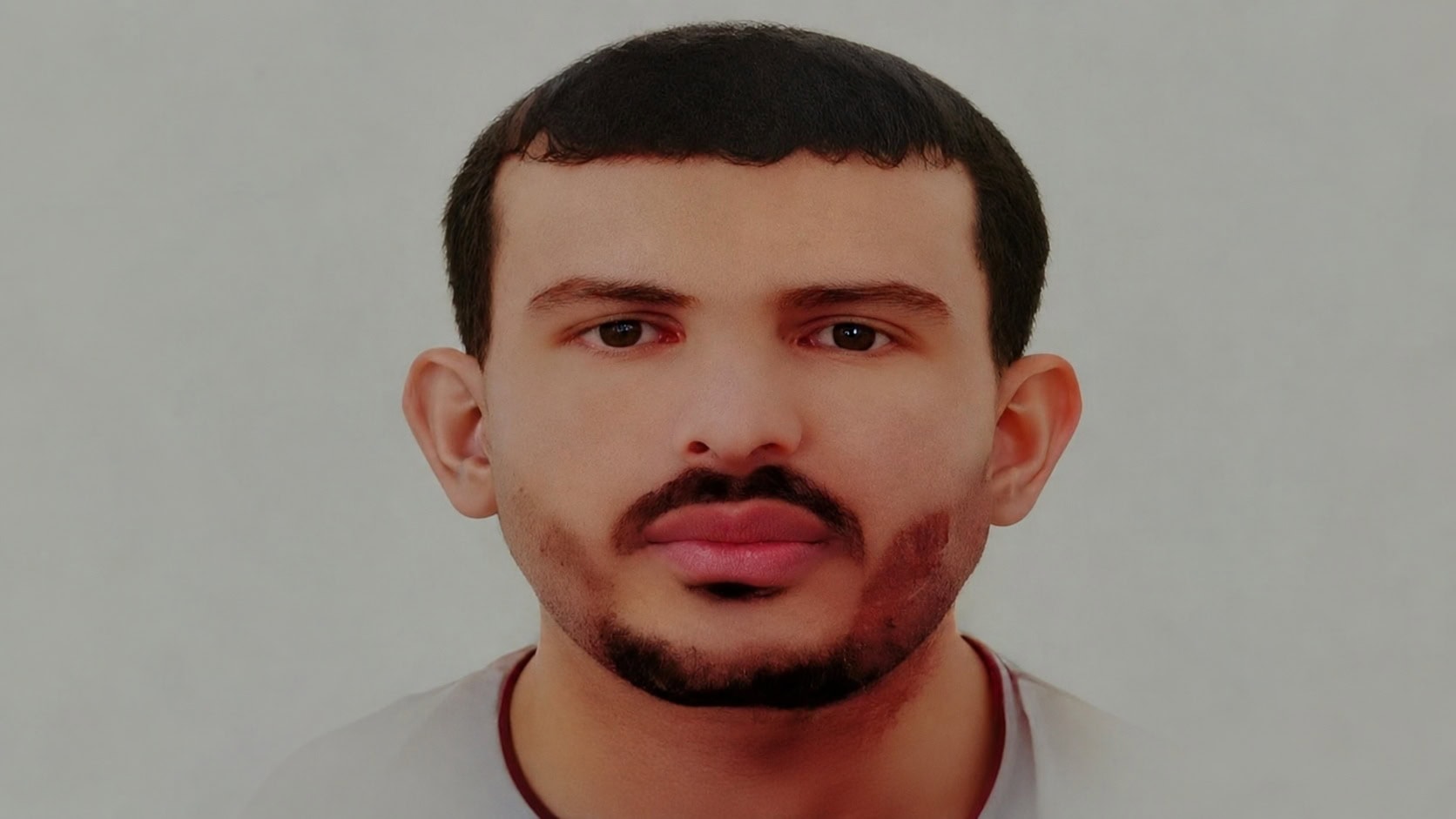
President of the Southern Transitional Council, Aidarous Al-Zubaidi (archival photo – STC Media)
26-07-2026 at 6 PM Aden Time
Aden (South24 Center)
Southern Transitional Council President Aidarous Al-Zubaidi issued a package of leadership decrees on Saturday, July 25, expanding the STC Presidium and confirming officials in several central bodies and local leadership structures in the capital, Aden, and Hadramout Governorate.
The five decrees, numbered 3 through 7 of 2026, covered the STC Presidium, the General Secretariat, the National Assembly and the executive bodies of the council’s local leaderships in Aden and Hadramout.
Under Decree No. 3, Al-Zubaidi appointed 10 new members to the STC Presidium: Waddah Nasr Obaid Al-Halimi, Nasr Saleh Mohammed Harhara, Abdulrahim Ahmed Mohammed Sadiq, Samir Mohammed Saeed Al-Haid, Saeed Omar Mohammed Bin Qublan, Khaled Ali Mohammed Al-Zamki, Lahmar Ali Laswad Salfouh, Abdullah Mahdi Saeed, Ali Ahmed Saleh Al-Jafri and Abdulmalik Mohsin Al-Tamimi.
Decree No. 4 appointed Al-Halimi as Secretary-General of the General Secretariat of the STC Presidium and Zaid Ahmed Mohammed Al-Naqib as Assistant Secretary-General for Governorate Affairs.
Decree No. 5 named Harhara as Deputy Chairman of the National Assembly, Nasser Ahmed Awad Huwaider as First Assistant to the Assembly Chairman and Tariq Abdulmonsef Ahmed Bazaraah as Second Assistant.
Under Decree No. 6, Al-Zubaidi appointed Al-Zamki as Head of the Executive Body of the STC’s Local Leadership in the capital, Aden.
In Hadramout, Decree No. 7 appointed Al-Jafri as Head of the Executive Body of the STC’s Local Leadership in the governorate and Al-Tamimi as Head of the Auxiliary Executive Body for the Affairs of the Wadi and Desert Districts.
Despite the broad scope of the decrees and the number of STC institutions they covered, many of the appointments formalized leadership arrangements that were already in place. Al-Halimi had been serving as Acting Secretary-General, Harhara as Acting Chairman of the National Assembly and Al-Zamki as Acting Head of the Aden Executive Body, while Al-Jafri and Al-Tamimi had been temporarily managing the two executive bodies in Hadramout.
The most significant structural change was the addition of 10 members to the Presidium, expanding the council’s highest leadership body to include local, organizational, tribal and administrative figures from several governorates of South Yemen.
The latest decrees were preceded by Al-Zubaidi’s issuance of Decree No. 2 of 2026 on July 23, appointing former Yemeni Foreign Minister Khaled Al-Yamani as an adviser to the STC Presidium and the official responsible for political engagement with the United States and the United Nations.
Al-Yamani is a veteran Yemeni diplomat who previously served as Yemen’s Permanent Representative to the United Nations before being appointed Foreign Minister in 2018.
The new package represents one of the STC’s broadest organizational moves since May 2023, when Al-Zubaidi amended the council’s statute, restructured its Presidium and appointed Abdulrahman Al-Muharrami, Faraj Al-Bahsani and Ahmed bin Brik as his deputies.
The 2023 restructuring followed the Southern Consultative Meeting in Aden and the signing of the Southern National Charter. It was part of the STC’s efforts to broaden its political and geographical representation and incorporate additional Southern political and military figures.
However, the latest decrees come under different political and organizational circumstances, following months of turmoil that have affected the council and its relationship with Saudi Arabia and the Yemeni government.
In January 2026, the Riyadh-based Chairman of Yemen’s Presidential Leadership Council, Rashad Al-Alimi, announced Al-Zubaidi’s removal from the council and referred him to prosecutors over the events in Hadramout.
At the same time, STC officials in Riyadh announced the council’s dissolution under Saudi pressure. The STC and its institutions inside South Yemen rejected the announcement, saying it had been made under duress and maintaining that the council remained active through its central and local bodies.
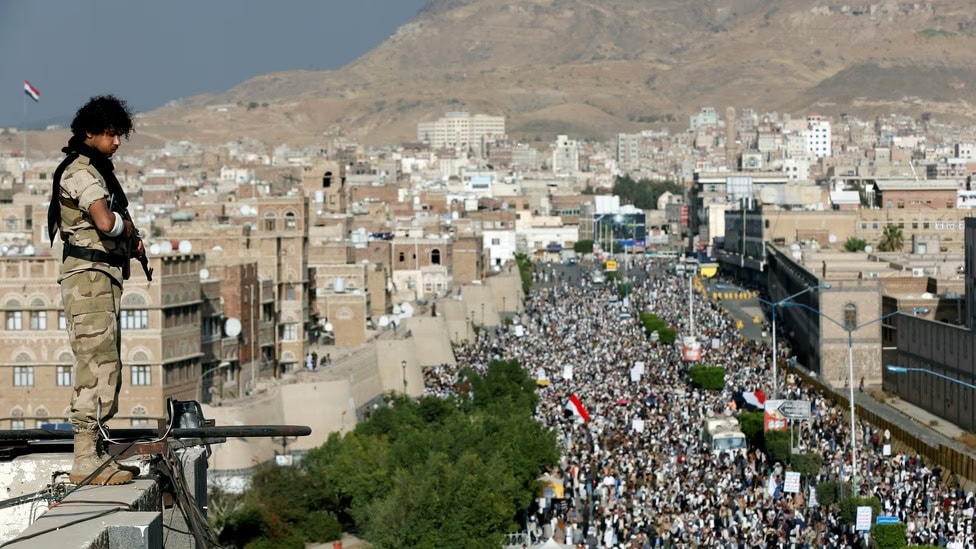
Since then, the STC has continued organizing mass rallies in Aden, Hadramout and other Southern governorates. Participants rejected what they described as “Saudi guardianship” and demanded improvements to electricity services, the payment of salaries and measures to address deteriorating living and public service conditions.
The leadership changes also coincide with disputes over plans to resume oil exports from Hadramout and Shabwa governorates.
On July 20, Presidential Leadership Council Chairman Rashad Al-Alimi announced that the government would work to resume oil exports, which have been suspended since Houthi attacks on export terminals in late 2022, and direct the revenues toward paying salaries, improving public services and strengthening economic stability.
However, the announcement did not specify a clear timetable for restarting exports, the terminals that would be used or a mechanism for distributing the revenues.
The STC later rejected any arrangements that could grant the Houthis a share of revenues generated from oil resources in South Yemen, saying no party had the right to dispose of those resources without Southern approval.
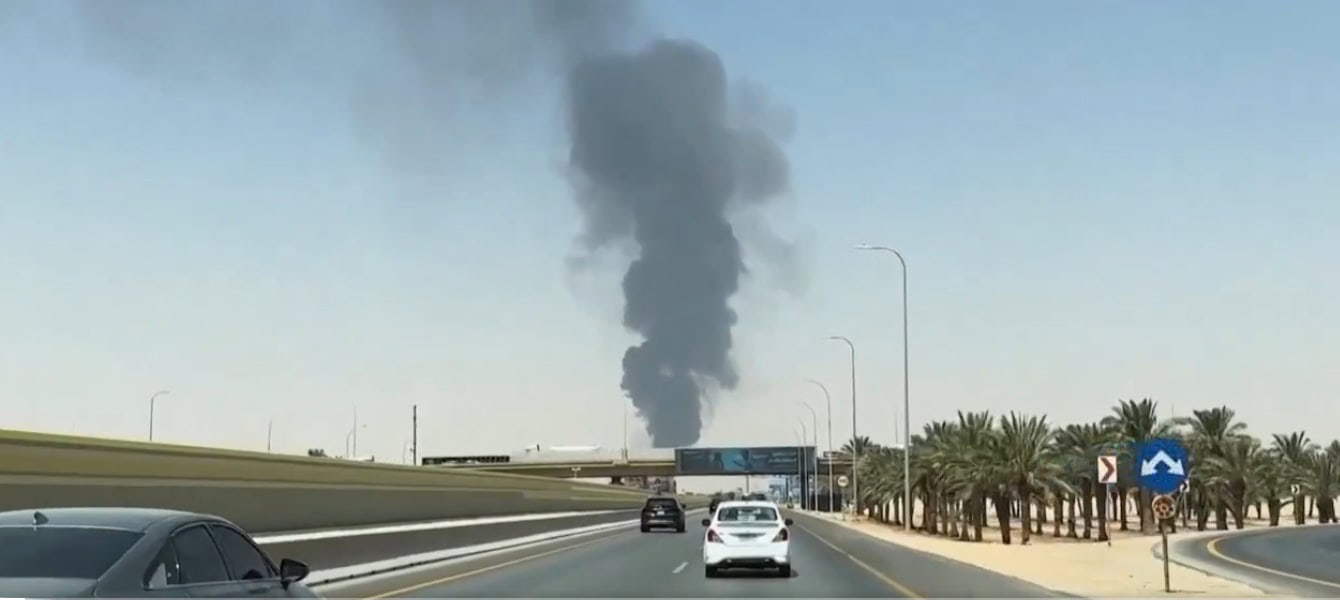
The restructuring also comes as renewed military exchanges between Saudi Arabia and the Iran-aligned Houthi militia threaten to end the relative calm that followed the 2022 truce and further complicate Yemen’s already stalled political settlement.
Taken together, the decrees indicate an STC effort to re-establish its chain of command after months of political and organizational turmoil, strengthen its local presence in Aden and Hadramout and expand its capacity for political engagement with the United States and the United Nations.
The decrees stipulated that they would take effect from the dates of their issuance and publication in the council’s Official Gazette, while annulling any previous decisions that contradicted their provisions.
Previous article