SOUTH24 CENTER FOR NEWS & STUDIES
SOUTH24 CENTER FOR NEWS & STUDIES


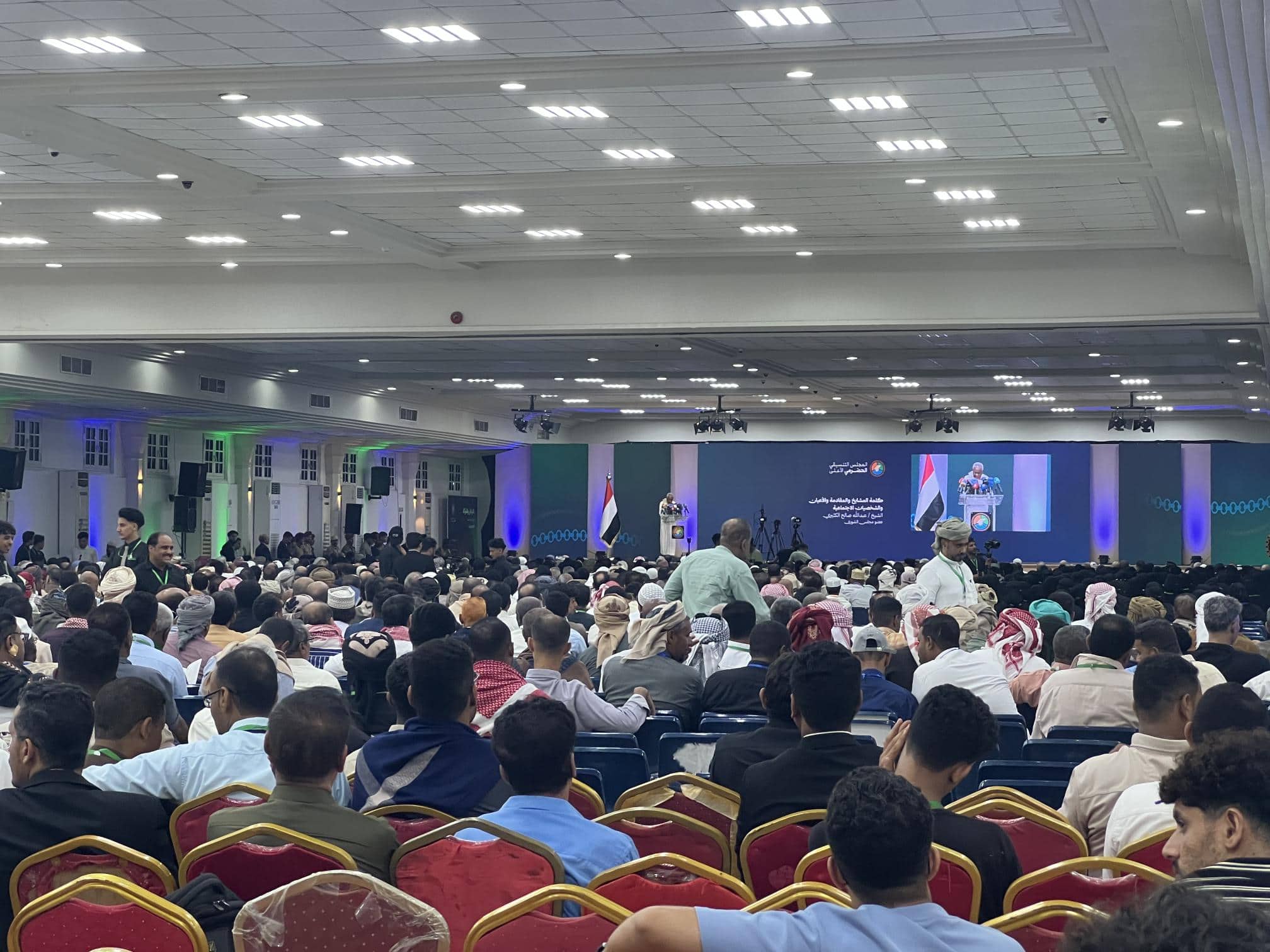
Participants attend the founding conference of the Supreme Hadrami Coordination Council in Mukalla, Hadramout Governorate. August 31, 2026. (South24 Center)
Last updated on: 31-08-2026 at 4 PM Aden Time
South24 Center (Aden)
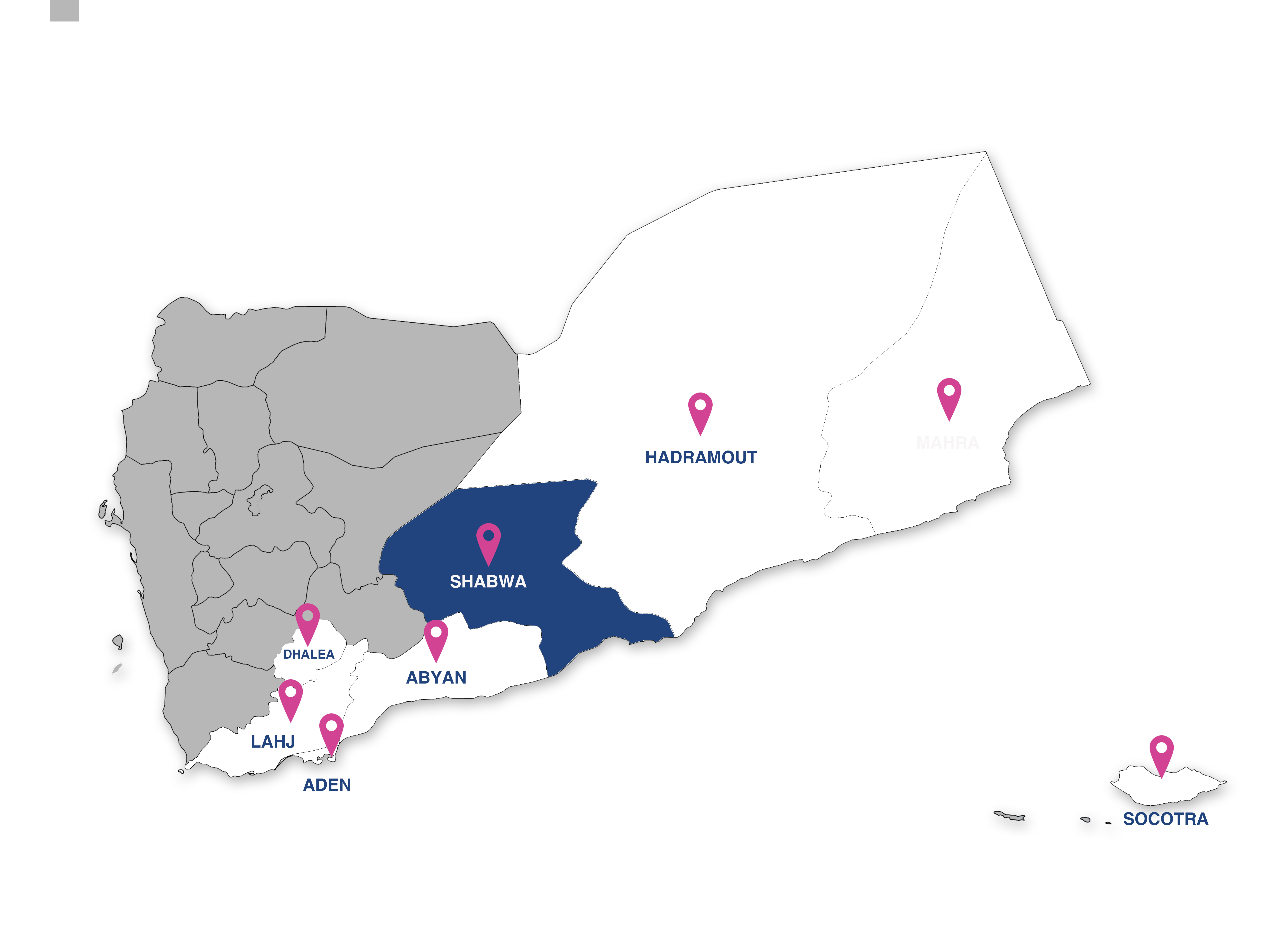
A new Saudi-aligned political body was formally launched in Mukalla on Monday (August 31), adding to a growing list of Hadrami councils and frameworks established amid Riyadh’s efforts to reshape political representation in the oil-rich governorate.
The founding conference of the Supreme Hadrami Coordination Council endorsed Presidential Leadership Council member and Hadramout Governor Salem Ahmed Al-Khanbashi as its president, authorizing him to form and announce the council’s leadership body within two weeks.
The conference also approved the council’s political platform, internal regulations, the Hadrami Charter of Honor, and a proposed Hadrami vision for a comprehensive southern dialogue.
Organizers presented the new body as an umbrella for Hadramout’s political, tribal, social, and civil forces.
However, its establishment came amid the effective exclusion of two of the governorate’s most influential forces: the Hadramout Tribal Alliance, headed by Sheikh Amr bin Habrish, and the Southern Transitional Council, which retains a broad political and popular presence in Hadramout.
The council traces its establishment to a decision issued by Al-Khanbashi on July 2, forming a 36-member preparatory committee. The list included former Prime Minister Ahmed Obaid bin Daghr, Hadramout Tribal Alliance leader Amr bin Habrish, former Hadramout Governor Ahmed Saeed bin Breik, and other political, tribal, and social figures.
The inclusion of figures from different political backgrounds gave the preparatory committee an appearance of broad representation.
Bin Habrish subsequently withdrew from the preparatory process, citing “special circumstances and a personal conviction.” His withdrawal was followed by a rapid deterioration in his relationship with Saudi Arabia and the local authority, leaving the Hadramout Tribal Alliance outside the arrangements that culminated in Monday’s conference.
The STC’s local leadership also rejected the new council, describing it as an externally imposed attempt to bypass existing political and social forces and restructure Hadramout’s political representation.
The council’s establishment appears to reflect an increasingly recurring Saudi approach in Hadramout, based on encouraging or sponsoring the creation of broad local political umbrellas.
The most prominent previous example was the Hadramout National Council, announced in Riyadh on June 20, 2023, following a month of Saudi-sponsored consultations involving politicians, tribal leaders, business figures, representatives of social organizations, and members of the Hadrami diaspora.
The closing session of those consultations was attended by Saudi Ambassador to Yemen Mohammed Al-Jaber and then-Hadramout Governor Mabkhout bin Madi. The council was presented as a political vehicle for Hadrami aspirations.
Despite the extensive consultations accompanying its establishment, the Hadramout National Council struggled to consolidate itself as a decisive political force on the ground. Al-Khanbashi did not formally inaugurate its headquarters in Seiyun until January 2026, more than two and a half years after the council was announced in Riyadh.
During the opening, Al-Khanbashi and the council’s secretary-general publicly praised Saudi Arabia’s support for Hadramout. The governor described the council as a partner of the local authority, while its leadership announced plans to open another headquarters in Mukalla.
The establishment of the Supreme Hadrami Coordination Council only months later raises questions over whether it is intended to replace the Hadramout National Council, absorb it, or operate alongside it as another framework linked to Saudi policy.
The founding documents did not clearly define the institutional relationship between the two councils. However, the new body granted itself broader powers, including formulating Hadramout’s political vision, selecting its delegations to southern and national dialogues, and representing the governorate in future political settlements.
The proliferation of these councils has reinforced perceptions that Hadramout’s political landscape is being repeatedly reshaped through entities built from above, with overlapping memberships and mandates. This approach has also enabled political figures associated with Yemen’s post-1990 unity system to return to the forefront of Hadrami representation under new local labels.
Al-Khanbashi is a prominent example. He began his political career within the National Front Political Organization before rising through the ranks of the Yemeni Socialist Party to become a member of its Central Committee and Political Bureau. He later joined the General People’s Congress, which ruled unified Yemen under former President Ali Abdullah Saleh.
Al-Khanbashi served as Hadramout governor during the final years of Saleh’s rule. He later became a member of the Shura Council and deputy prime minister under former President Abdrabbuh Mansur Hadi. He also represented the Yemeni government in the 2019 negotiations that led to the signing of the Riyadh Agreement.
Since his appointment as Hadramout governor in November 2025, Al-Khanbashi has emerged as Saudi Arabia’s most important local political and security partner in the governorate. He was also granted military and security authority over the Saudi-backed Nation Shield Forces during the confrontations that ended the STC’s brief control of Hadramout in early January 2026.
The council’s preparatory committee also includes other prominent figures associated with the institutions and political parties of unified Yemen. Among them is Shura Council Chairman and former Prime Minister Ahmed Obaid bin Daghr, who was a senior Yemeni Socialist Party figure before joining the General People’s Congress and assuming senior positions within it.
Saudi Arabia’s relationship with the Hadramout Tribal Alliance illustrates how Riyadh has shifted among different local partners in response to changing political and security requirements.
Saudi officials previously engaged closely with Bin Habrish and treated his alliance as an important counterweight to the STC. Bin Habrish visited Riyadh several times and met senior Saudi officials, while his tribal forces expanded their presence around oil-producing areas on the Hadramout Plateau.
However, that relationship deteriorated following the events of December 2025 and January 2026. The alliance said Bin Habrish, who travelled to Riyadh on January 25 at a Saudi invitation, was prevented on July 23 from returning to Hadramout through the Saudi side of the Al-Wadiah border crossing.
Neither Riyadh nor the Yemeni authorities have publicly explained the reported restrictions on his return.
On August 23, the Al-Hamoum tribes gave the central and local authorities one week to facilitate Bin Habrish’s return. The deadline expired without an announced settlement.
Bin Habrish has meanwhile moved to revive his autonomy project for Hadramout, forming a higher coordinating committee on August 25 to complete the initiative and prepare for further steps.
The new council’s launch followed a period of direct tension between the STC and the Saudi-backed local authority. On August 25, the STC accused security forces of raiding its headquarters in Mukalla, entering several offices, and seizing equipment and documents.
The founding conference also coincided with protests and a heavy security deployment in Mukalla. Local sources said protesters closed several roads in opposition to the council’s launch.
Local sources told South24 Center that live rounds were fired as security forces attempted to reopen the roads. Other accounts circulated online accused armed protesters of firing toward security personnel.
The STC is scheduled to organize a mass rally in Mukalla on September 1, one day after the new council’s launch.