SOUTH24 CENTER FOR NEWS & STUDIES
SOUTH24 CENTER FOR NEWS & STUDIES


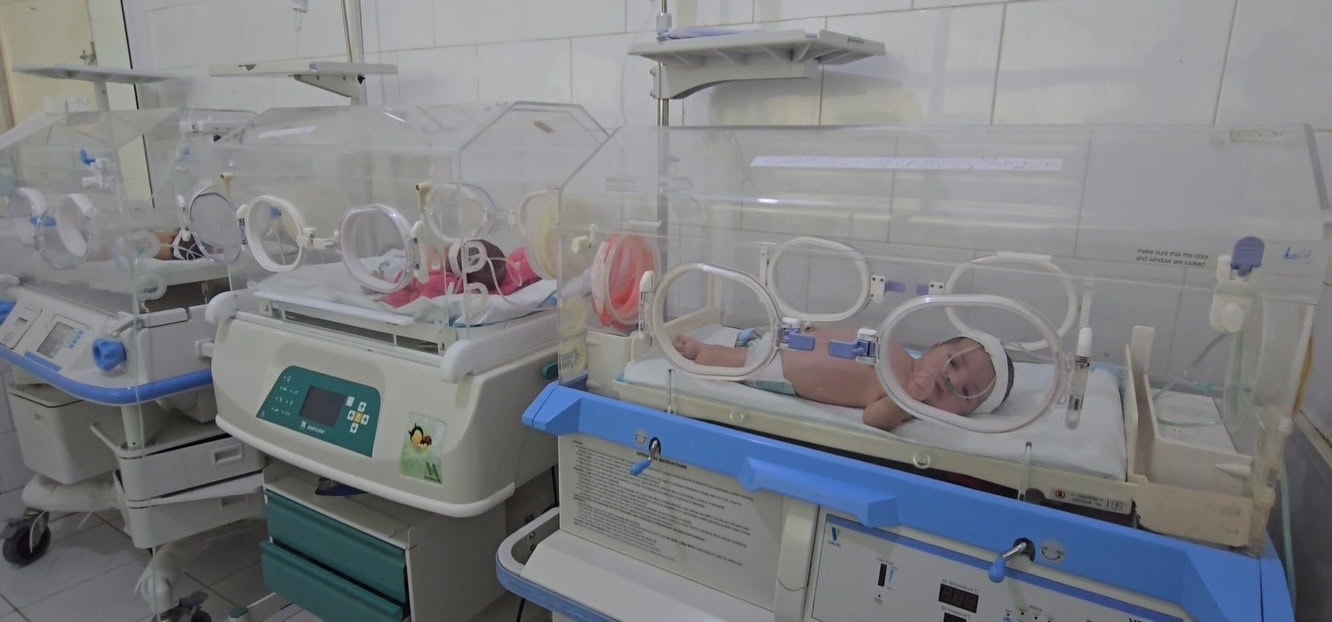
An infant in an incubator, alongside other incubators at the Comprehensive Emergency Obstetric Care Center in Dhalea Governorate, Yemen, August 29, 2026. (South24 Center)
Last updated on: 08-10-2026 at 2 PM Aden Time
Khadija Al-Jasri (South24 Center)
At 27, Umm Elias Al-Ya’eesi was not sure whether she had completed her ninth month of pregnancy. Since becoming pregnant, she had managed to visit a doctor only once. In her village of Jabal Al-Shami, in Qa’taba District, Dhalea Governorate, reaching the nearest health facility in the Azab area can take an entire day on foot. Her family cannot afford to hire a car every time she needs prenatal care.
Umm Elias says she has never gone through a pregnancy without hardship. The distance to the health facility, the difficulty of the journey, and financial constraints have prevented her from seeing a doctor, undergoing medical tests, and receiving proper prenatal follow-up. In the final months, when walking becomes even more difficult, she has no choice but to remain at home and wait for her delivery.
Her experience reveals a gap that cannot be explained solely by the presence or absence of health facilities. A woman may travel a long distance to obtain care, only to find that the facility she reaches lacks specialized staff, medication, or adequate equipment to treat her. This gap extends from prenatal care and childbirth to postnatal services and family planning, while women and their families bear the costs of transportation and delayed treatment.
According to the UNICEF Multiple Indicator Cluster Survey conducted in Yemen between 2022 and 2023, fewer than half of the births covered by the survey took place in health facilities, and only about one-third of women received at least four antenatal care visits. In a 2026 estimate, the United Nations Population Fund (UNFPA) says that 5.5 million women are in need of reproductive health services.
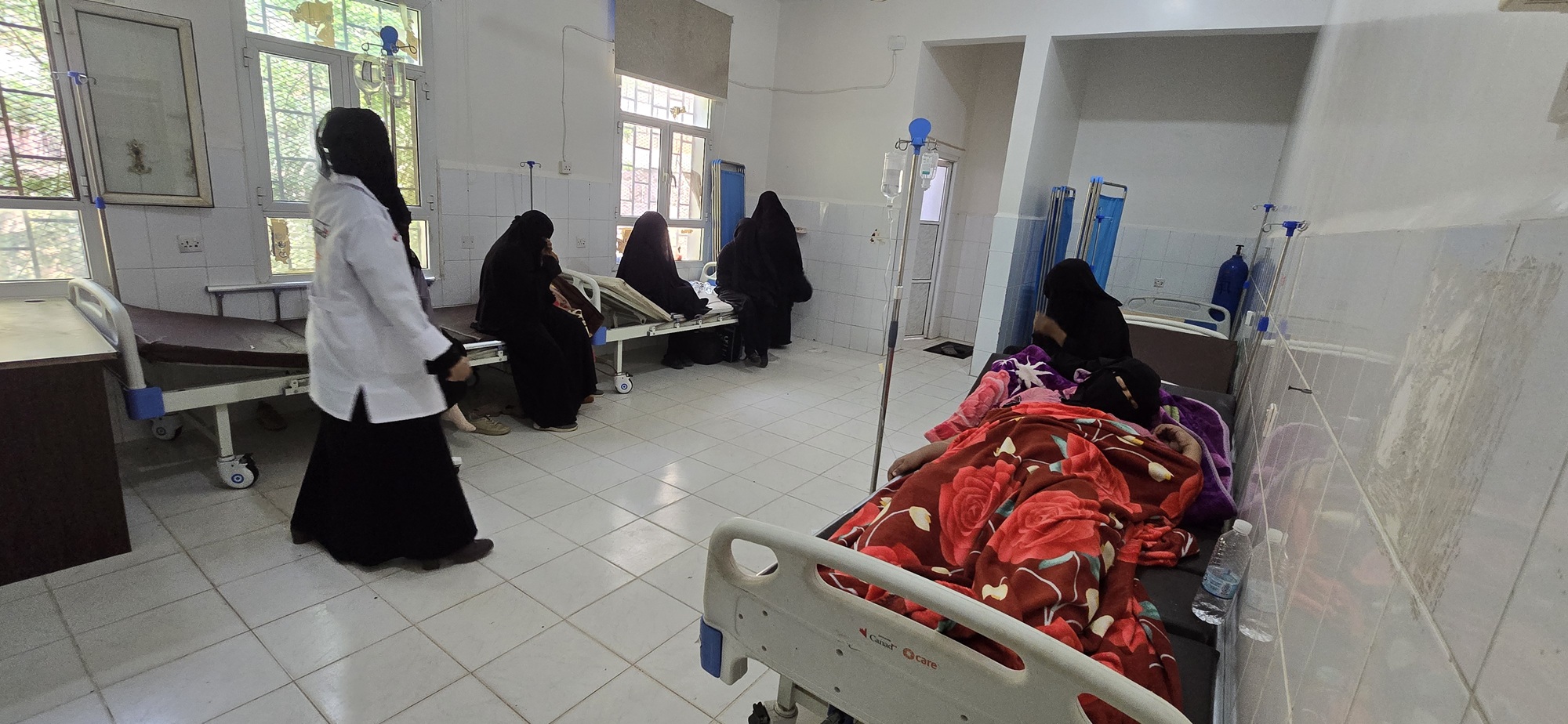
Women lie on beds with companions beside them, as a health worker passes through the maternity ward at the Comprehensive Obstetric Emergency Center in Al Dhalea Governorate, August 29, 2026. (South24 Center)
This report examines the experiences of women in several Yemeni governorates, alongside testimonies from healthcare workers and officials in other governorates, to assess what reproductive health services are actually available, the barriers preventing women from accessing them, the health and financial consequences of delayed care, and the responsibility of health authorities and donors to address existing gaps.
Needs That Health Facilities Fail to Meet
The mere fact that a health facility is open does not establish its capacity to provide reproductive health services. A woman seeking prenatal care needs medical examinations and qualified staff. During childbirth, she may also require medication, emergency intervention, or transfer to a better-equipped hospital. The availability of these services varies between facilities, as does each facility's ability to provide them consistently.
According to the World Health Organization's health facility monitoring data through August 2025, 3,264 of the 5,503 facilities assessed were fully operational, while 1,913 were partially operational. The report highlights disparities in the availability of antenatal care, childbirth, postnatal care, family planning, and emergency obstetric services. It also identifies shortages of personnel, supplies, equipment, and funding as barriers limiting service delivery. In 2025, the United Nations Population Fund (UNFPA) estimated that only one in five functioning health facilities could provide maternal and child health services.
Dr. Mazhar Abdullah, director of the Emergency Obstetric Care Center at Al-Nasr Hospital in Dhalea, told South24 Center that the center suffers from shortages of staff, devices, equipment, medicines, beds, and diesel fuel, in addition to lacking an operational budget. He added that more than 90% of the hospital's staff work on a contract or voluntary cooperation basis, and that medical teams are forced to handle cases using the resources available, including cases requiring equipment that the center does not have.
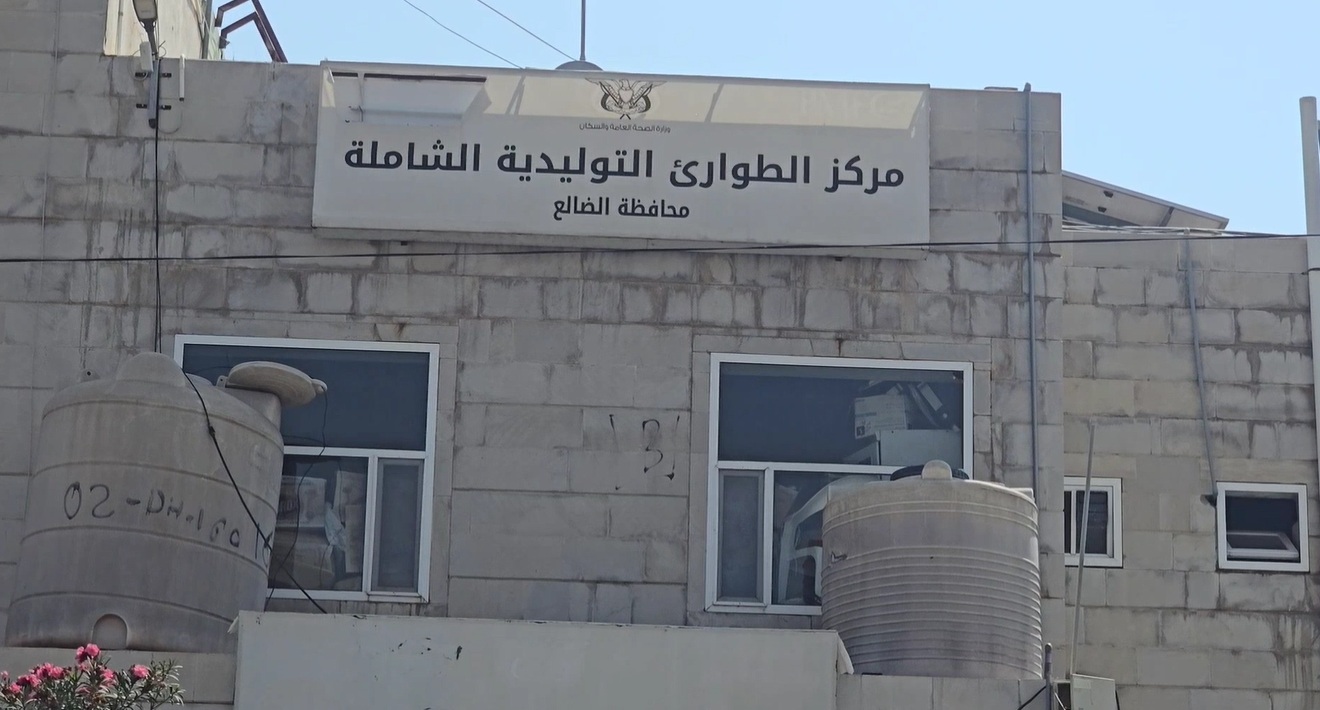
The exterior of the Comprehensive Obstetric Emergency Center in Al Dhalea Governorate, August 29, 2026. (South24 Center)
In Mukalla, Dr. Mona Rashid Banaja, director of the Maternity and Childhood Hospital, told South24 Center that the hospital faces shortages of certain anesthetic drugs, medications used in intensive care, and drugs for treating seizures, in addition to a shortage of nursing staff. She explained that the hospital sometimes purchases medications for critical cases or seeks assistance from organizations and donors to provide them for patients whose families cannot afford the cost.
Banaja added that the hospital does not provide family planning methods directly. Instead, it refers women seeking them to a nearby specialized center, where a supporting organization provides the methods free of charge. As a result, access to the service in this case depends on the center remaining operational and having supplies available.
Dr. Hanan Anwar, director of the Safe Motherhood Department at the Ministry of Health, told South24 Center that reproductive health and emergency obstetric services are supposed to be available at hospitals, health centers, and health units, including in remote areas. However, testimonies collected by South24 Center in Dhalea and Al-Mukalla show that the presence of a facility, or the inclusion of a service among its responsibilities, does not guarantee that women can access it unless the necessary staff, medication, and equipment are available.
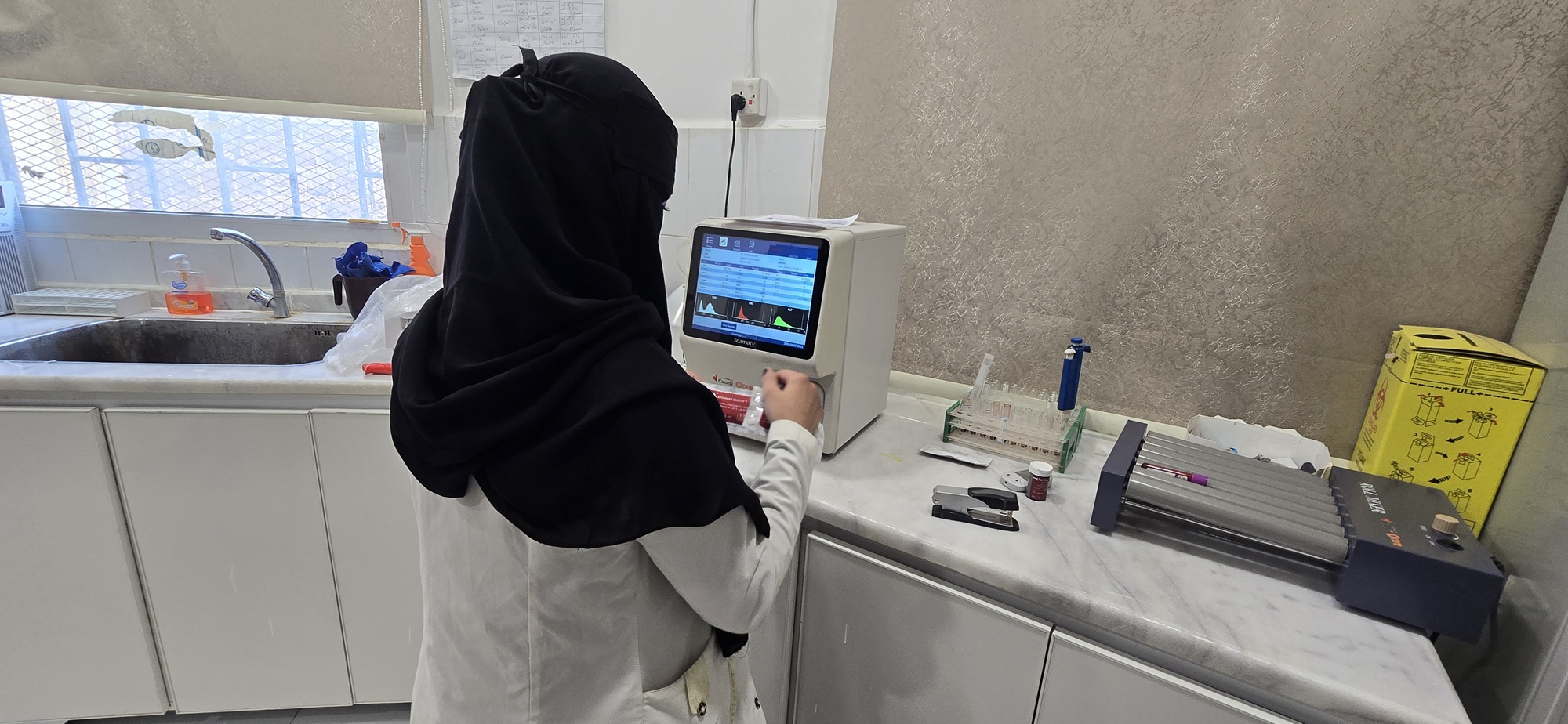
A laboratory worker operates a laboratory analyzer at the Comprehensive Obstetric Emergency Center in Al Dhale'e Governorate, August 29, 2026. (South24 Center)
The Distance and Cost of Access
Even when a service is available at a health facility, a woman may still be unable to access it.
Dr. Mona Rashid Banaja, director of the Maternity and Childhood Hospital in Al-Mukalla, said that some women in remote areas of Hadramout need up to three days to reach a health facility, either on foot or using animals, due to rough terrain and the lack of transportation. She estimated that the cost of reaching a facility can exceed 250,000 Yemeni rials ($160) in some cases.
From her workplace in Aden, obstetrician and gynecologist Dr. Rima Yahya told South24 Center that some women traveling from Abyan, Lahj, and Dhalea spend between six and eight hours on the road to reach health facilities. She added that some arrive already suffering from complications requiring urgent intervention.
In Dhalea, Makkiya Ahmed, a worker at the Emergency Obstetric Care Center at Al-Nasr Hospital, told South24 Center that the center receives cases from various districts, including women who arrive late due to distance and difficult road conditions.
Access challenges extend beyond pregnancy and childbirth services. Fatima Ismail, a mother of six from Al-Du'aysa in Taiz, told South24 Center that she visited a nearby health center seeking a family planning method, only to be informed that it was unavailable. She then moved between facilities in Al-Houban and Taiz city until she obtained a suitable method.
Dr. Abdullah Noman, director of the Health Office in Al-Shamaytain District, Taiz, described the distance between population centers and the difficulty of reaching some of them as major challenges to providing reproductive health services, particularly in emergency childbirth cases, in comments to South24 Center.
National data reflect the disparity in service utilization. According to the Multiple Indicator Cluster Survey conducted between 2022 and 2023, 65% of births in urban areas took place in health facilities, compared with 40% in rural areas. While this difference alone does not explain why every birth takes place outside a facility, it demonstrates how a woman's place of residence affects her chances of accessing care.
The Health and Financial Consequences of Delayed Care
The search for care may end at the door of a health facility, but its consequences do not end there. A delivery requiring urgent intervention may be followed by the need for a blood transfusion or additional treatment, while families face costs, they were already unable to afford. Cases documented by South24 Center show how these burdens can extend well beyond childbirth.
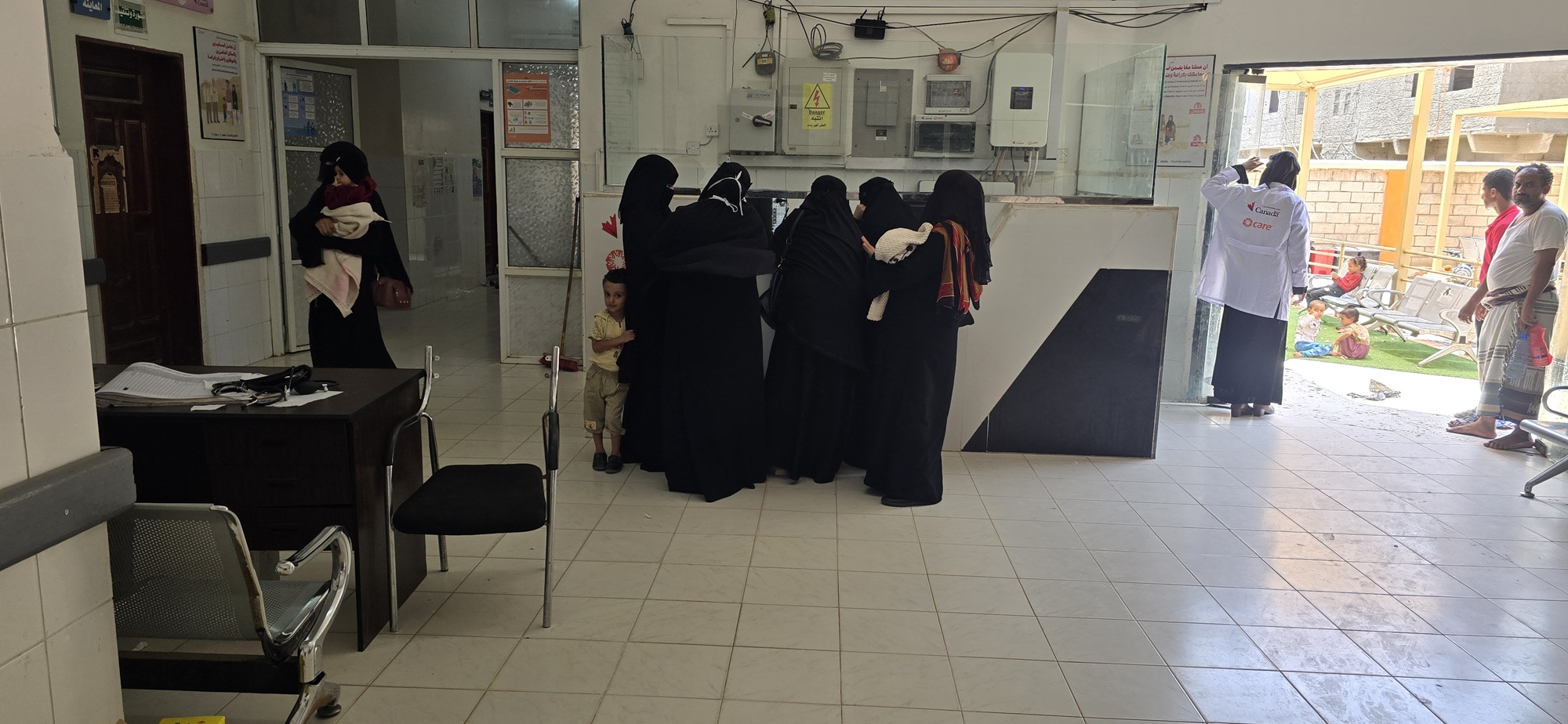
Women accompanied by children at the reception window inside the Comprehensive Obstetric Emergency Center in Dhalea Governorate, August 29, 2026. (South24 Center)
In Arhab, Sana'a, Zahra Al-Ward experienced a difficult delivery, followed by tears and bleeding that required her transfer to Al-Jumhouri Hospital, according to her nephew, Hashem Al-Ward, who spoke to South24 Center. The center contacted Zahra, but she was exhausted and unable to recount the details of what had happened, so the account was completed through Hashem. He said the family searched for the blood type she needed until they managed to secure two units, before the necessary medical interventions were performed. According to him, her treatment lasted approximately three months, and transportation and medical expenses exceeded 600,000 Yemeni rials (equivalent to $1,222 at the exchange rate in Sana'a). Her mother was forced to sell sheep to help cover the costs.
This account alone does not establish the medical cause of every complication Zahra experienced, but it documents the burden her family endured throughout her treatment.
Fatima Ismail, in Taiz, told South24 Center that the family planning method she eventually obtained was free of charge, but she spent approximately 30,000 old Yemeni rials ($56) and 100 Saudi riyals on transportation and related expenses while searching for it. Her experience illustrates that a free method does not necessarily mean cost-free access, particularly when a woman has to travel between several facilities.
Obstetrician and gynecologist Dr. Rima Yahya said that delays in pregnant women's arrival at a facility capable of treating them may increase the risk of complications, including bleeding, preeclampsia, and obstructed labor. Data from the Multiple Indicator Cluster Survey conducted between 2022 and 2023 also point to a gap extending beyond childbirth: only 38% of mothers and 36% of newborns received care or a health check within the first two days after delivery.
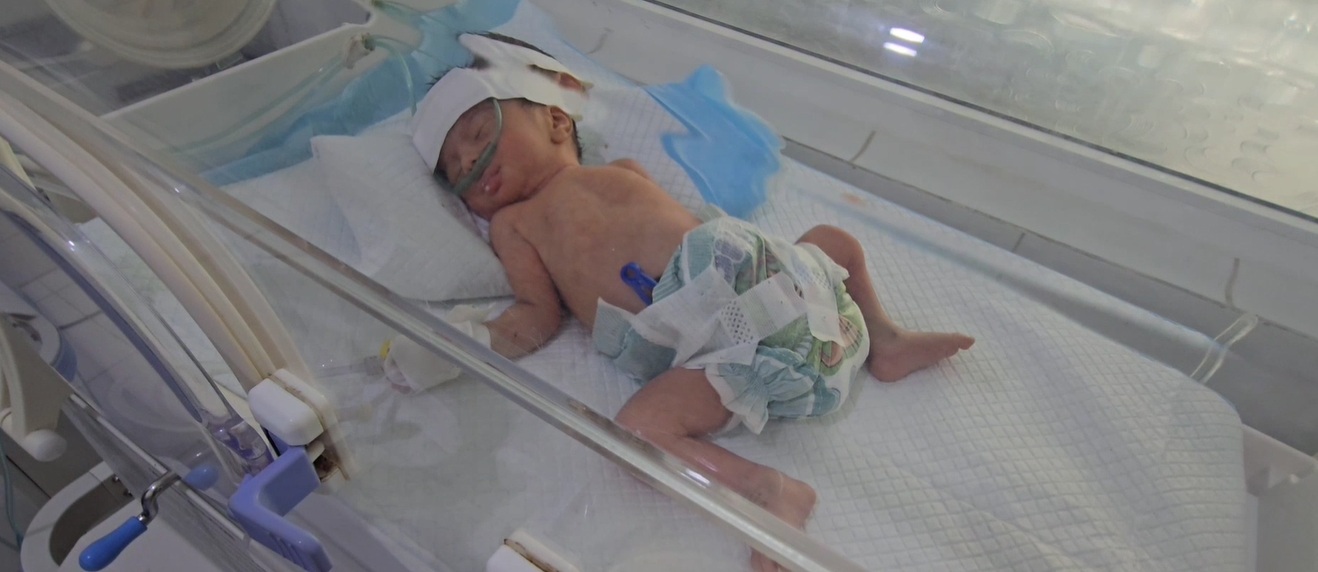
A newborn inside an incubator, connected to a tube through the nose, at the Comprehensive Obstetric Emergency Center in Al Dhalea Governorate, August 29, 2026. (South24 Center)
Bridging the Service Gap
The gap highlighted in this report is not confined to a single health facility. Sustaining services requires qualified staff, medicines, equipment, and operational funding, as well as a means of transferring cases that a facility cannot manage. Responsibility for providing these elements is shared between the health authorities managing the facilities and the organizations supporting them. Yet, for women, every shortfall ultimately translates into a service they cannot access when they need it.
Dr. Hanan Anwar, director of the Safe Motherhood Department at the Ministry of Health, said that reproductive health and emergency obstetric services are supposed to be available at hospitals, health centers, and health units, including those in remote areas. She explained that the United Nations Population Fund (UNFPA) supports the provision of a large share of medicines and medical supplies, including family planning methods and emergency obstetric medications.
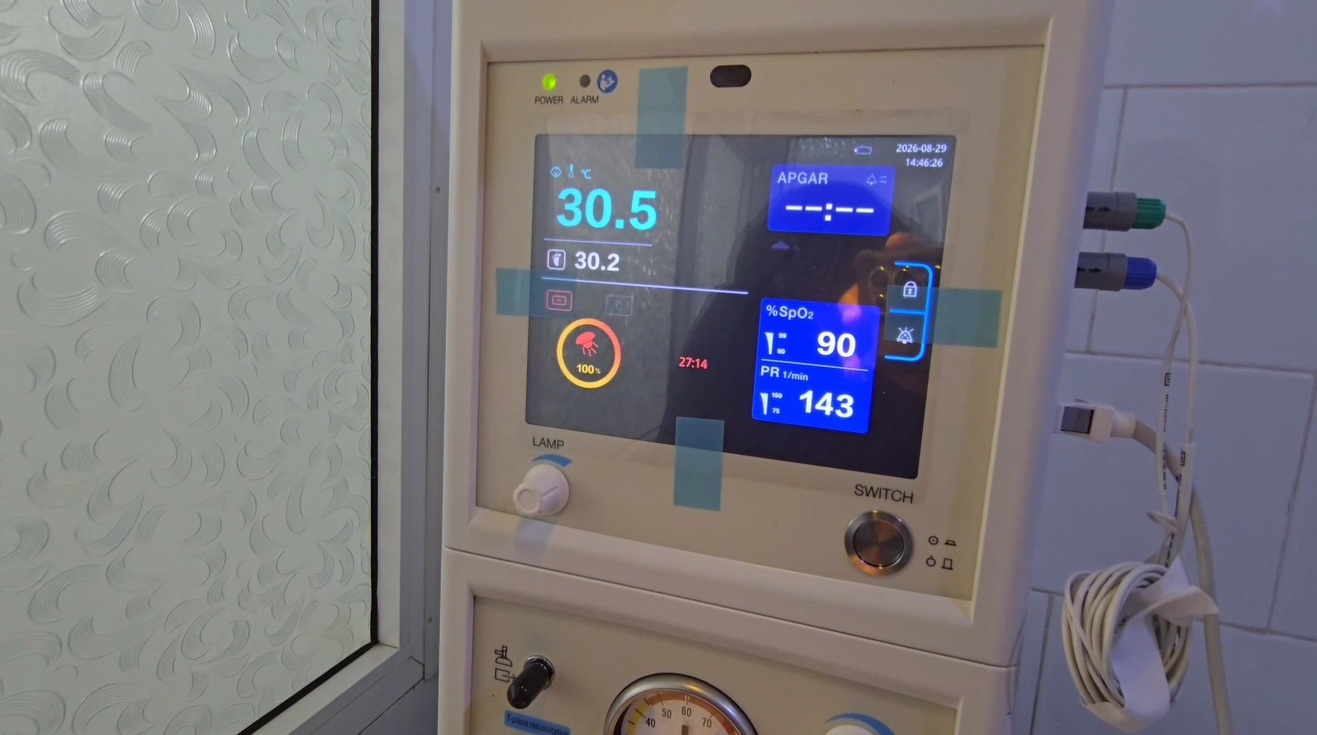
A neonatal incubator monitor displaying temperature, oxygen saturation, and pulse rate readings at the Comprehensive Obstetric Emergency Center in Al Dhalea Governorate, August 29, 2026. (South24 Center)
However, she pointed to delays in transporting medicines from the central warehouses in Aden to the governorates, saying that most governorates are now requesting that their needs for medicines and medical supplies be met. Her testimony does not clarify the cause of these delays or how long supplies take to arrive, both of which are important to identifying where the problem lies and who is responsible.
In Taiz, Dr. Abdullah Noman, director of the Health Office in Al-Shamaytain District, said improving services in remote areas requires specialized personnel, medicines, equipment, and central hospitals serving dispersed communities, in addition to ambulances and a referral system for emergency cases.
In Al-Mukalla, Dr. Mona Rashid Banaja, director of the Maternity and Childhood Hospital, said the facility, which receives cases from multiple areas and governorates, needs expansion and better-equipped operating rooms, intensive care units, and incubators.
In a press statement to South24 Center, the United Nations Population Fund (UNFPA) in Yemen said its support focuses on providing essential medicines, supplies, and equipment, supporting healthcare workers, midwives, medical teams, and mobile clinics, and improving referral systems and supply chains. However, the ability of this support to bridge the gap depends on sustained funding. The Fund announced that, as of June 2026, it had received approximately $12.8 million of the $71.9 million it requested for its humanitarian response that year, which covers reproductive health, women's protection, and emergency assistance.
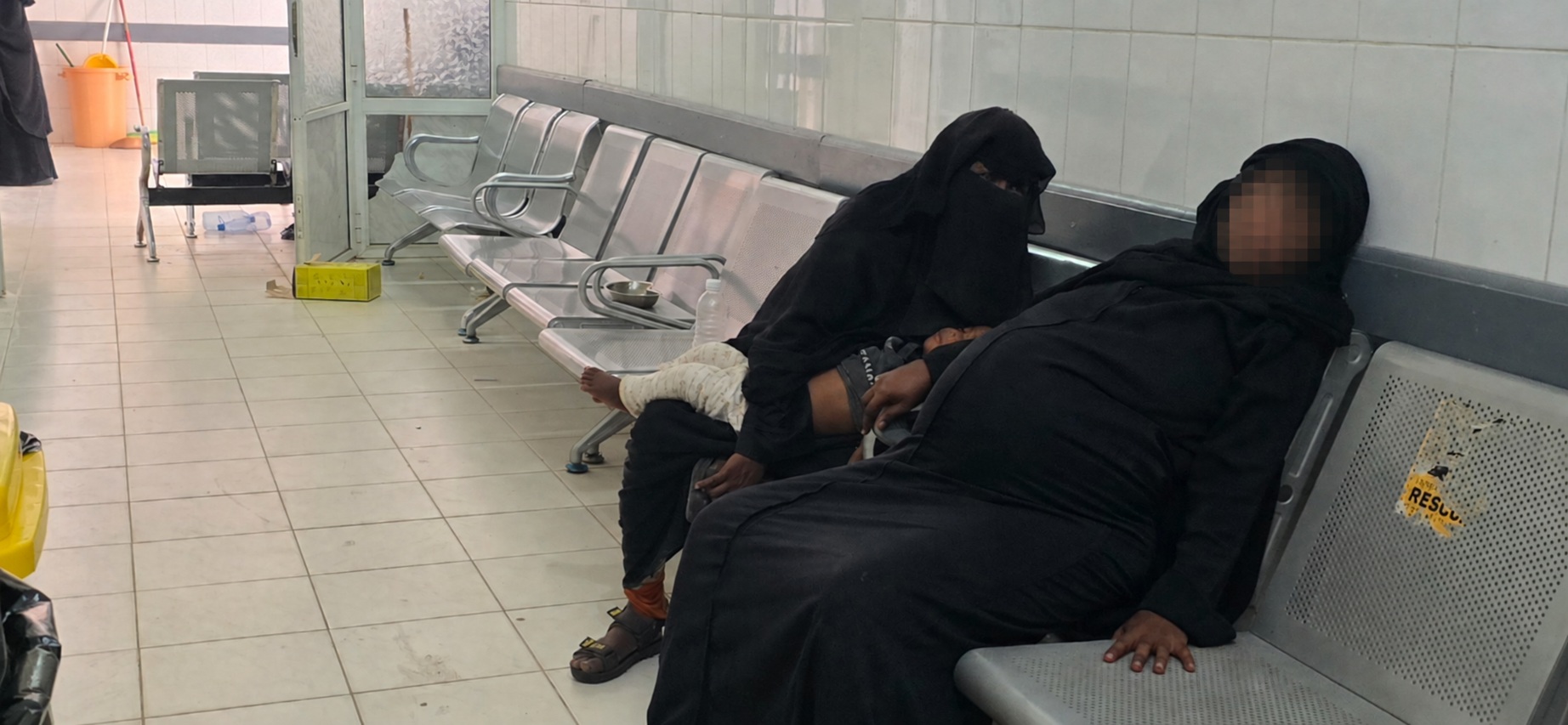
A pregnant woman sits in the waiting area with another woman and a child inside the Comprehensive Obstetric Emergency Center in Al Dhalea Governorate, August 29, 2026. (South24 Center)
These findings show that supporting health facilities alone does not address the problem faced by women who cannot reach them. Likewise, funding transportation is insufficient if the facility lacks the care they need. Bridging the gap begins with defining the services each level of the health system is expected to provide, ensuring that supplies and healthcare workers reach those facilities, and establishing a referral system capable of transferring emergency cases. Assessing progress in these areas remains dependent on clear data from health authorities on service distribution, the regularity of supplies, and the reasons for disruptions.