SOUTH24 CENTER FOR NEWS & STUDIES
SOUTH24 CENTER FOR NEWS & STUDIES


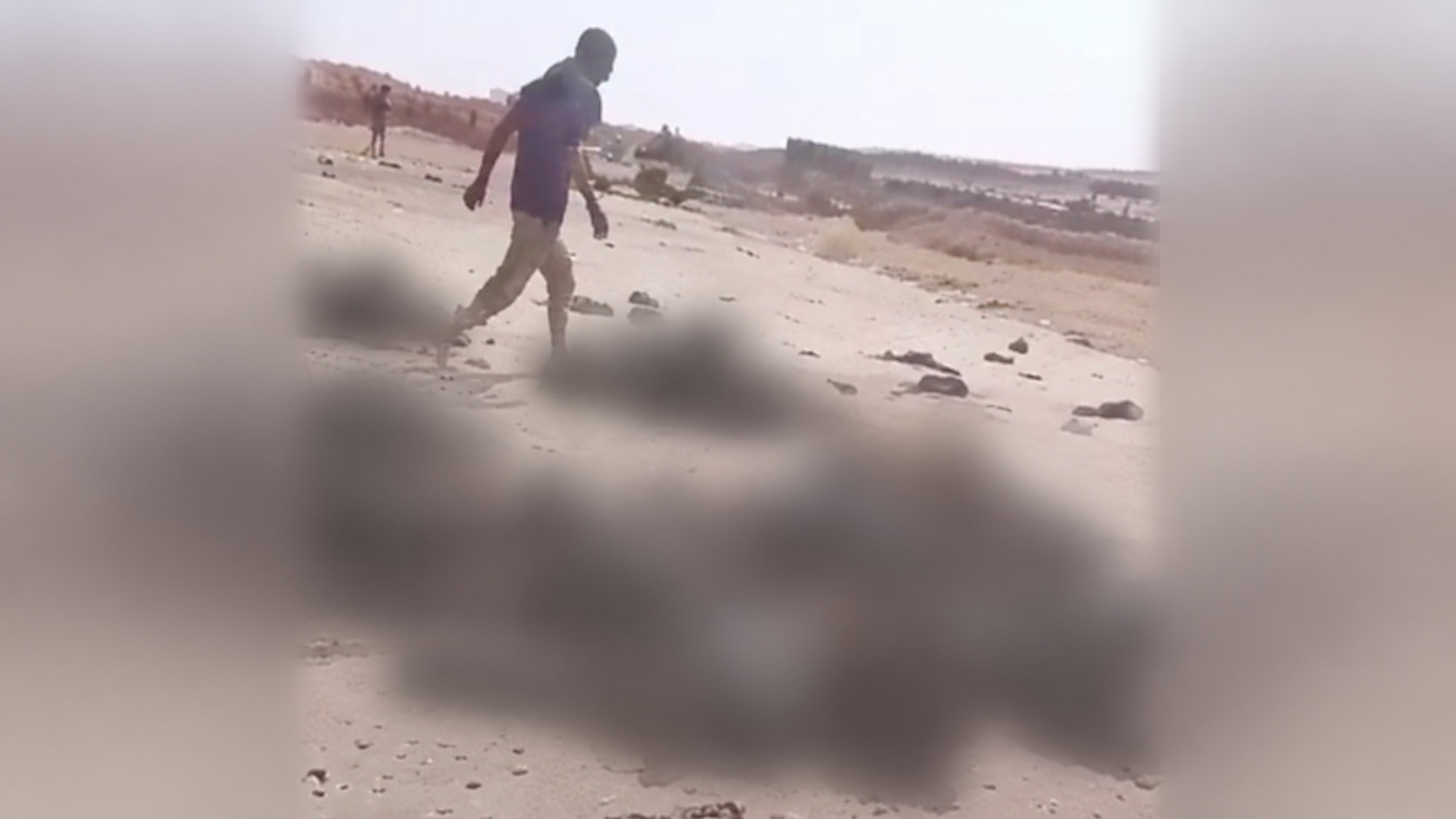
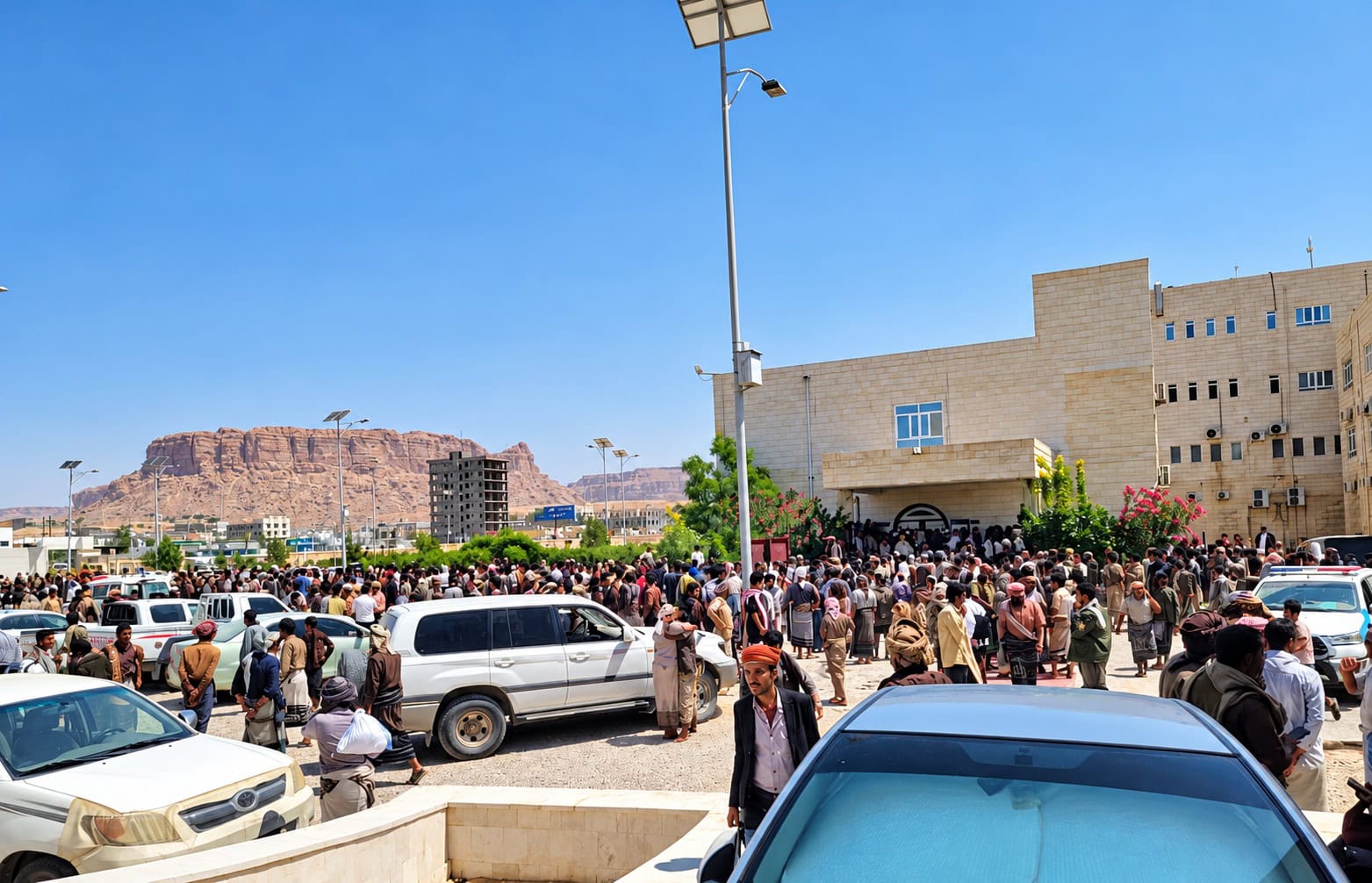
Aftermath of a Houthi missile attack on Al-Alam camp in Shabwa, South Yemen, October 19, 2026. Victims have been blurred. (Screen grab from social media)
20-10-2026 at 6 PM Aden Time
Aden (South24 Center)
The death toll from a Houthi ballistic missile attack on a security training center in Shabwa Governorate, South Yemen, has risen to 73, with 14 people still missing, the local authority announced on Tuesday (October 20). More than 200 others were wounded, according to figures released after the attack.
The missiles struck the Ahmed al-Sulaimani Training Center at Al-Alam camp on Monday (October 19), while newly recruited internal security personnel were attending a training course, the authority said. It had initially reported more than 53 recruits killed.
According to a South24 correspondent, around 700 recruits were participating in the course when three ballistic missiles struck the camp. One directly hit an area where recruits had gathered.
A survivor told South24 that a reconnaissance drone, believed to be operated by the Houthis, had flown over the camp on each of the three nights preceding the attack. South24 could not independently verify who operated the aircraft.
The correspondent said ambulances transported the wounded to hospitals in Ataq, the governorate’s capital. Some were subsequently transferred to Mukalla after the number of casualties exceeded the capacity of Ataq’s hospitals.
More than 1,000 residents gathered at the hospitals, including blood donors and people searching for missing relatives.
The Houthis claimed responsibility for the attack, saying it targeted Saudi-backed forces being mobilized. Shabwa’s local authority said those targeted were new internal security recruits attending a training course.
The U.S. Embassy to Yemen condemned the attack on Monday, describing it as “cowardly.” It offered condolences to the victims’ families and wished the wounded a full recovery, saying those targeted were Yemenis who had volunteered to protect their communities and country.
Shabwa’s local authority called on the Presidential Leadership Council, the government and Saudi Arabia to urgently provide air defense systems, surveillance equipment and early-warning capabilities. It said the scale of the losses required immediate military and security measures beyond statements of condemnation.
The authority also called for those killed to be formally recognized as having died in the line of duty and for their salaries to be paid to their families. Shabwa Governor Awad bin al-Wazir visited the wounded in Ataq hospitals and directed health officials to increase medical readiness and provide the necessary care.
Following the attack, Shabwa Police warned against publishing images or information revealing military and security locations or troop movements, saying that disclosing operational details could expose offenders to legal action.
Southern Transitional Council (STC) President Aidarous al-Zubaidi condemned the Houthi attack on Al-Alam camp on Tuesday. In a message of condolence to the victims’ families, he said the group’s crimes against the people of the South would not be erased by the passage of time, and that defending the South, protecting its people and countering threats to its security and stability would remain a firm priority.
Al-Zubaidi warned against attempts to draw the South into the war in the North and use its territory to launch military operations over which it had no control. He held the parties that decided to go to war responsible for the consequences of their choices for the South and its people, while stressing that this did not absolve the Houthis of direct responsibility for their attacks.
Mohammad al-Ghaithi, chairman of the Consultation and Reconciliation Commission, called for stronger defensive capabilities for Southern forces and other forces confronting the Houthis, closer military and security coordination, and protection of the rights of victims’ families and care for the wounded.
The STC’s local leadership in Shabwa called for an investigation into the circumstances of the attack, urgent treatment for the wounded and stronger military and security coordination to protect the governorate.
In neighboring Hadramout, Ali al-Jafri, head of the STC’s local leadership, visited the National Blood Transfusion Center in coastal Hadramout to review a blood donation campaign for the wounded. He directed that financial support be provided to help the center receive donors and meet medical needs.
Presidential Leadership Council member Mahmoud al-Subaihi said the attack underscored the threat the Houthis posed to Yemen’s security and state institutions, calling for greater military and security readiness.
In a separate telephone call with UN Secretary-General António Guterres on Monday, Presidential Leadership Council Chairman Rashad al-Alimi urged action through the Security Council to designate the Houthis as a terrorist organization, enforce the arms embargo against them and cut off their funding and weapons supplies, according to the Yemeni presidency.
The Houthis have previously targeted military gatherings in South Yemen, including attacks on Al-Anad air base in Lahj in 2019 and 2021, and a graduation ceremony at Al-Jalaa camp in Aden in August 2019. The latter killed dozens, including Security Belt commander Munir al-Yafaei.
In other military developments, the Southern Giants Brigades said they repelled a large Houthi assault on the Kahboub front in Lahj on Monday, following hours of fighting with air support. They reported heavy Houthi losses, although the casualty figures could not be independently verified.
Yemeni military sources reported 13 airstrikes on Houthi positions, vehicles, weapons depots and troop concentrations in Taiz. Government-backed forces also said on Tuesday that they had targeted Houthi reinforcements and a weapons depot in Najd Qasim and Jabal Habashi.
In Saudi Arabia, the military spokesperson said on Tuesday that a Houthi ballistic missile fired toward Riyadh had been intercepted after an early-warning siren sounded.
The Houthis had said on Monday evening that they launched missile and drone attacks against targets in Saudi Arabia, including an Aramco facility in Yanbu, the Shaybah oil field, Riyadh and Abha airports, and a military base in Khamis Mushait.