مركز سوث24 للأخبار والدراسات
مركز سوث24 للأخبار والدراسات


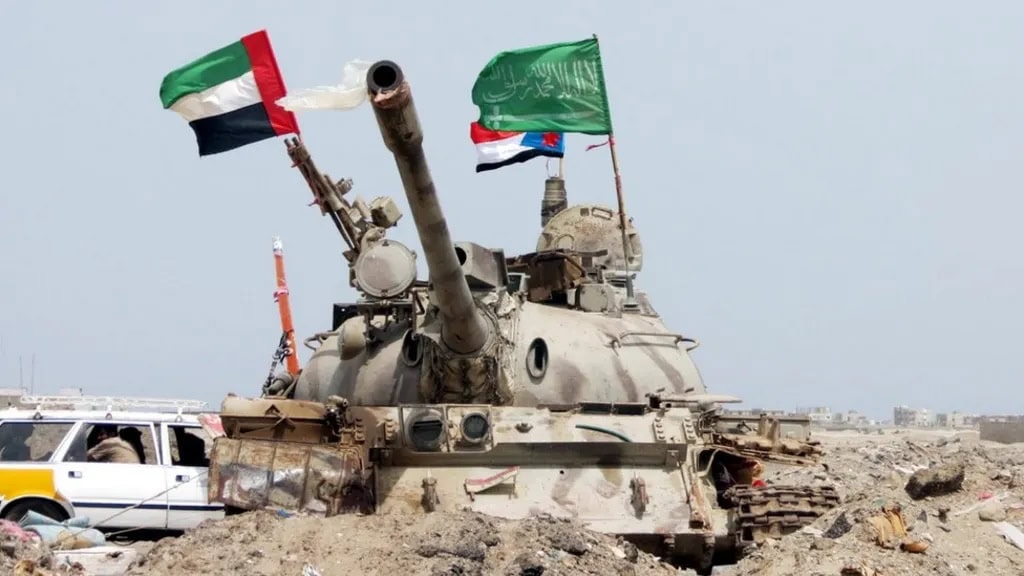
i A tank carrying the flags of Saudi Arabia, the UAE, and South Yemen during operations against the Houthis in 2015 (EPA).
12-03-2026 الساعة 3 صباحاً بتوقيت عدن
Yemen has once again come into focus as one of the arenas most vulnerable to shifts in the regional balance of power.
Abdullah Al-Shadli (South24 Center)
Since February 28, when the United States and Israel launched a wide-scale attack on Iran in an operation that triggered the most dangerous direct confrontation in the region in years, the escalation has no longer appeared as an isolated military event. Instead, it has evolved into a process reshaping deterrence dynamics, alliances, and spheres of influence across the Middle East.
The conflict began with a pivotal strike that reportedly led to the killing of Iran’s Supreme Leader, Ali Khamenei, on the first day of the war, along with several prominent military commanders.
The confrontation has since entered its second week, marked by expanding exchanges of strikes, intensified Iranian attacks against Israel, and missile operations targeting Gulf states hosting U.S. bases and interests, as well as Jordan and Iraq. The threat has also extended to Turkey and Azerbaijan.
Yet the striking aspect of recent developments is not only the scale of the military exchange but also the shift in the political environment that until recently allowed for limited de-escalation. This was particularly evident following the Saudi–Iranian rapprochement mediated by China.
In recent days, Riyadh has found itself balancing between maintaining its mediation role and pursuing de-escalation or adopting a firmer response if attacks on its territory and critical infrastructure continue. According to Reuters, Saudi Arabia informed Tehran that it does not seek to expand the war but warned that continued targeting of the Kingdom could compel it to allow the use of its bases for military operations and respond in kind.
Meanwhile, Iranian President Masoud Pezeshkian apologized to neighboring countries affected by the strikes, announcing that the temporary leadership council had approved suspending Iranian attacks against nearby states unless their territories are used to launch attacks on Iran.
However, this pledge has not been implemented in practice. Iranian missile strikes against Gulf states have continued, particularly against the United Arab Emirates, which has reportedly faced more attacks than other countries combined, while Saudi Arabia has also remained a target.
Within this context, Yemen has once again come into focus as one of the arenas most vulnerable to shifts in the regional balance of power. The new war has not only affected Iran and Israel but has also shaken the security architecture of the Gulf, raising the cost of protecting strategic waterways such as the Strait of Hormuz and the Bab al-Mandab.
Against this backdrop, questions about the implications for Yemen have become increasingly pressing. Will the war reinforce the existing Saudi–Houthi understandings as a security necessity for Riyadh, or will it re-politicize the Yemeni front within a broader confrontation with Iran? The conflict could also affect Saudi–Emirati relations, which have recently deteriorated in ways particularly visible in South Yemen, where unprecedented developments have unfolded since December 2025.
Saudi Understandings with Iran and the Houthis
The rapprochement between Saudi Arabia and Iran over the past two years has been one of the most significant regional shifts influencing the trajectory of the war in Yemen. Since the announcement of the restoration of diplomatic relations between the two countries through Chinese mediation in March 2023, gradual signs of de-escalation have emerged across several regional files, most notably Yemen.
This process opened the door to negotiation channels between Riyadh and the Houthi movement. These talks, facilitated in part by Oman, led to the announcement of a roadmap for Yemen that reached an advanced stage by late 2023. However, progress stalled after the outbreak of the Gaza war and the Houthis’ involvement in a maritime campaign targeting vessels transiting the Bab al-Mandeb.
Despite the United States redesignating the Houthis as a Foreign Terrorist Organization earlier this year following Donald Trump’s return to the White House, the informal truce between Saudi Arabia and the group has largely held. The Houthis have called for resuming work on the roadmap and implementing its commitments, which reportedly include granting them a share of revenues from oil exports in South Yemen, according to informed sources.
Nevertheless, the recent escalation between the United States and Israel on one side and Iran on the other has revived questions about whether these understandings can endure if the regional confrontation escalates into a broader conflict across the Gulf.
In this context, Sana’a-based political analyst Dr. Rashid Al-Haddad believes that the trajectory of Saudi–Houthi understandings remains intact despite recent regional developments.
Speaking to South24 Center, he noted that “questions have recently intensified regarding the future of the roadmap and the preliminary understandings between Sana’a and Riyadh in light of the regional developments and the possibility of regime change in Iran.” He added that “communication channels between the two sides remain open, and the understandings were ongoing even before the latest regional tensions.”
Al-Haddad further stated that “these arrangements are conducted directly between Sanaa and the Saudi side, without the involvement of the Yemeni Presidential Leadership Council or the government affiliated with it.” According to multiple sources, he said, “the track of understandings had been positive, including progress on the prisoner file, whose recent positive outcomes were the result of these arrangements.”
However, he suggested that “Saudi Arabia does not yet appear fully committed to implementing what was agreed upon.” He argued that Riyadh had sought in recent months to improve relations with Tehran, which reinforced among the Houthis the belief that the understandings could continue independently of broader regional shifts. “Sana’a’s position will not change before or after the war on Iran,” he said, “because its decision-making is independent of Tehran, and Riyadh understands this well.”
Hossam Radman, a researcher at the Sana’a Center for Strategic Studies, believes it is “too early to draw definitive conclusions about how the current developments in Iran will affect the Yemeni file or Houthi behavior.” However, he noted that some initial trends can already be observed.
Radman told South24 Center that “one possible trajectory is the gradual erosion of Iran’s geopolitical influence, even if Tehran manages to weather the current blow.” He explained that “the Houthis’ room for maneuver would likely shrink in the future as a result of this erosion.” According to Radman, Houthis’ current caution about rapidly engaging in escalation reflects their awareness of a reduced margin of maneuver and the fact that the concept of unified fronts within the so-called ‘axis of resistance’ is no longer as robust as before.
“This suggests that, in the medium to long term, the regional backing on which the Houthis rely in their political calculations could diminish,” he said, adding that “any weakening of Iran’s geopolitical umbrella would have direct consequences for the group’s regional positioning.”
Impact on the Houthi Movement
While Saudi–Houthi understandings represent one pathway potentially affected by regional escalation, the relationship between the Houthis and Iran remains the most sensitive factor in assessing any shift in Yemen’s internal balance of power.
Over the course of the war, this relationship has come to encompass more than political support or ideological alignment. It has also involved a broader military and security framework that includes training, knowledge transfer, and the development of missile and drone capabilities, as well as integration into Iran’s so-called “Axis of Resistance.”
For this reason, any significant decline in Tehran’s capabilities, or any fundamental change in the nature of its leadership and strategic priorities, could affect not only the level of support provided to the Houthis but also redefine the scope of the role the group can play within Yemen and beyond.
In this regard, Yemeni journalist and military affairs specialist Adnan Al-Jabrani believes that the degree to which the Houthis might be affected militarily and politically will depend largely on the outcome of the war and the extent of any weakening or transformation of the Iranian regime.
Speaking to South24 Center, he said: “The extent to which the Houthis would be affected militarily and politically in the event of the Iranian regime’s collapse depends on the degree of deterioration or weakness that may strike the system in Tehran, as well as the scope of the war and its eventual results.”
He added that “the Houthi movement, despite the military capabilities and survival experience it has accumulated, still relies heavily on Iranian support in terms of expertise, knowledge, and backing support that has been ongoing for nearly two decades.” This factor, he noted, makes any major transformation within Iran’s political structure likely to have direct consequences for the group.
Al-Jabrani explained that “if a genuine shift occurs in the nature of the Iranian regime or in the doctrine of a new leadership, particularly if it reconsiders the cost of sustaining its regional network of allied actors, the Houthis would be significantly affected.” Such an impact would likely be most visible in relation to the group’s regional ambitions and outward projection of power, which have become increasingly pronounced in recent years.
In that scenario, he said, the Houthis might be forced to “scale back and rely primarily on their internal capabilities, placing them in a more exposed position and pushing them toward a more defensive posture compared with their current stance.”
He also emphasized that the relationship between the two sides is “deep and complex, and was built from the outset under a high level of secrecy.” According to Al-Jabrani, the Houthis’ involvement in broader conflicts is often tied to Tehran’s strategic calculations, as Iran tends to deploy its regional assets gradually. In practice, he said, the group is often “waiting for the signal from Tehran.”
South Yemen and Saudi–Emirati Relations
The regional escalation involving the United States, Israel, and Iran does not only affect the relationship between Riyadh and Tehran or the position of the Houthis within Yemen’s political equation. It also has implications for coordination between Saudi Arabia and the United Arab Emirates, the two states that have exerted the greatest influence over the trajectory of the Yemeni war since the launch of the Arab coalition intervention in 2015.
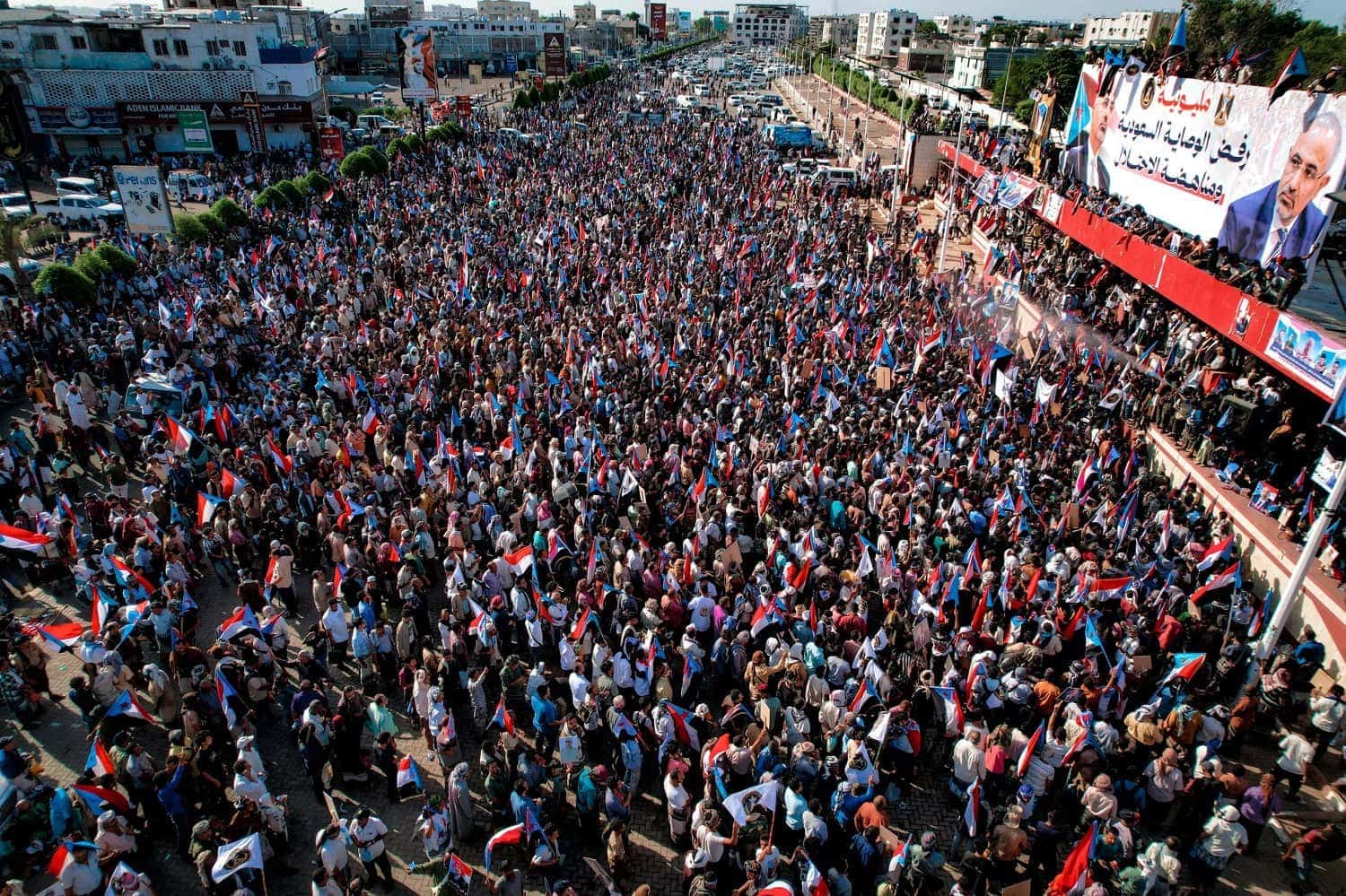
Recent months, however, have revealed notable shifts in this relationship, particularly following developments in south Yemen since December 2025. During that period, tensions escalated between the two countries amid military and political moves in Hadramout and Al-Mahra.
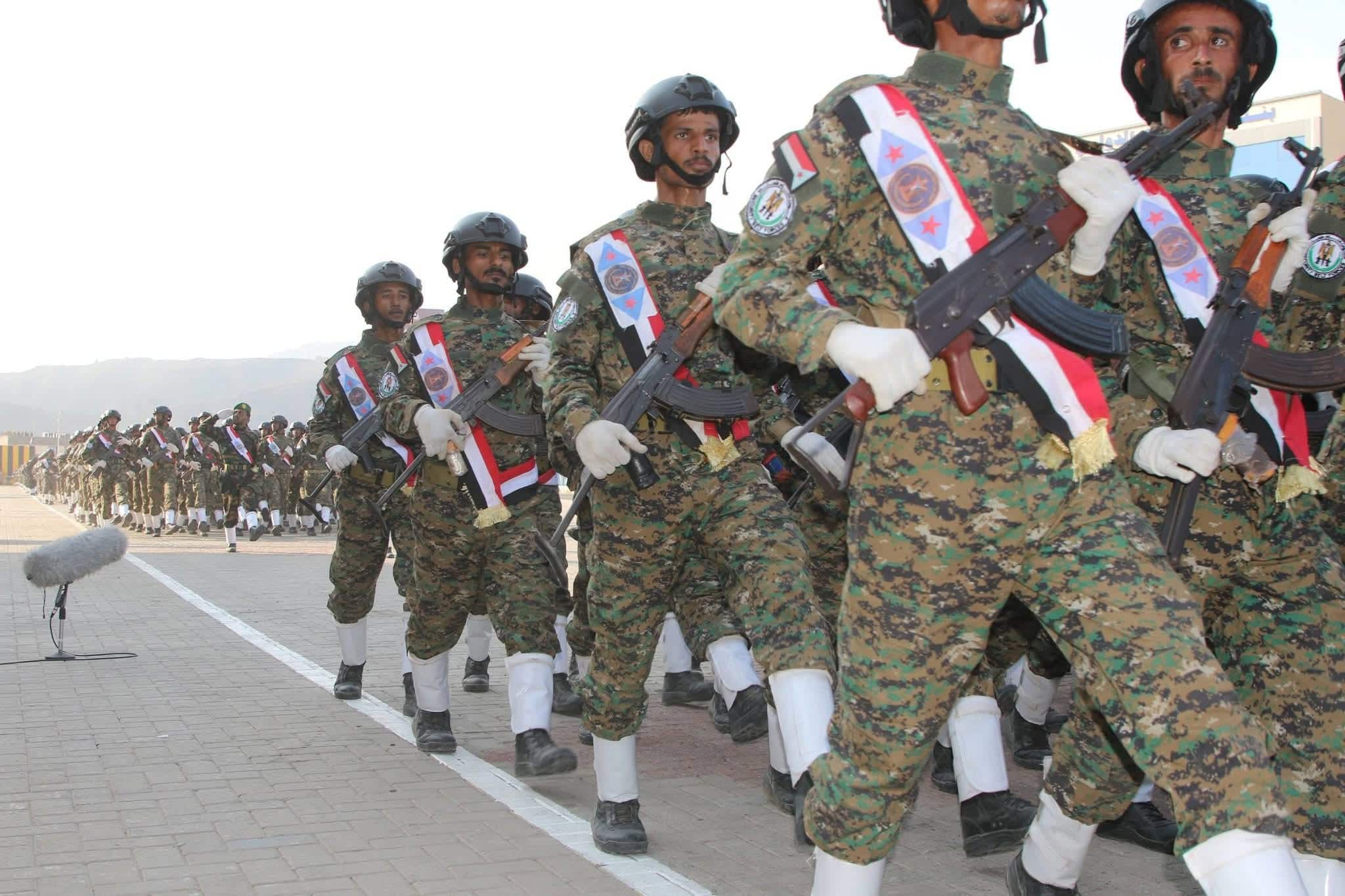
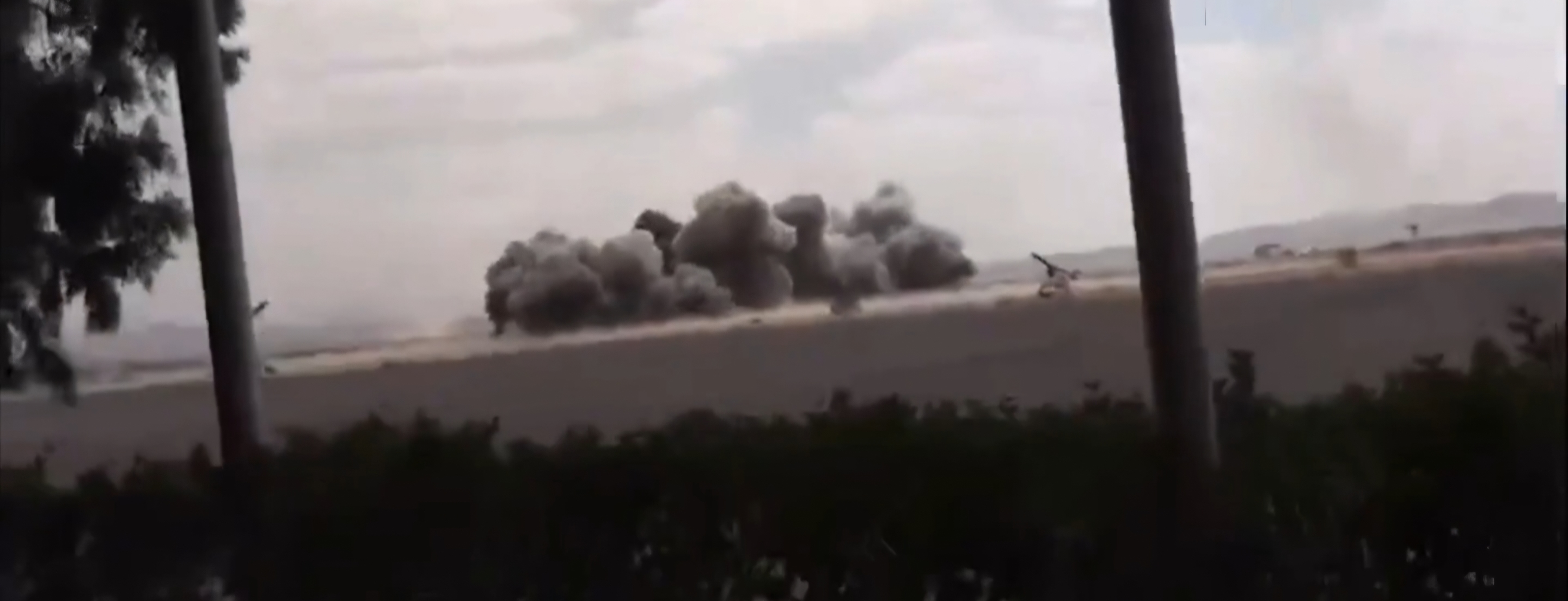
Forces affiliated with the Southern Transitional Council, widely seen as closely aligned with the UAE, advanced toward the two provinces in an effort to secure them and remove northern forces linked to the Muslim Brotherhood that were stationed near oil fields in the Wadi Hadramout area. Riyadh subsequently supported counter-operations, including airstrikes and the deployment of northern forces loyal to it advancing from Al-Wadiah along the Saudi-Yemeni border. These developments ultimately led to the withdrawal of southern forces from Hadramout and Al-Mahra in early January 2026.
The escalation was accompanied by sharp political and media exchanges. Saudi circles accused Abu Dhabi of backing moves that threatened the Kingdom’s border security, while the UAE denied the allegations and announced its final withdrawal from Yemen in early January after a 24-hour deadline declared by Rashad Al-Alimi, the head of Yemen’s Riyadh-based Presidential Leadership Council.
Yet these developments may reflect more than tactical disagreements within the Saudi-Emirati coalition. They may also be linked to broader geopolitical shifts in the region. The Washington Post recently reported that Saudi Crown Prince Mohammed bin Salman had previously urged U.S. President Donald Trump to strike Iran, warning that failing to act could strengthen Tehran and increase its threat to the region.
If these reports are accurate, they could offer a different interpretation of events in South Yemen since late 2025. Rather than viewing Saudi moves in Hadramout and Al-Mahra solely as a reaction to the expansion of the Southern Transitional Council, they may also be understood as part of preemptive arrangements aimed at reshaping influence in Yemen in anticipation of a new regional phase in which Iran’s power might weaken or the regional balance of power could shift.
From this perspective, Riyadh may have sought to reassert direct influence in eastern South Yemen, particularly in areas bordering Saudi Arabia, such as Hadramout, and in Al-Mahra, which lies adjacent to Oman, considering these regions a vital component of its security depth.
Should the region enter a “post-Iran” phase, whether through the weakening or restructuring of the Iranian regime, control over this geography could grant Saudi Arabia greater leverage in managing the Yemeni file and recalibrating internal power balances, while potentially limiting the influence the UAE has built over recent years through its support for the Southern Transitional Council and its network of affiliated security and military forces, which have achieved notable successes in fighting the Houthis and countering terrorism.
However, this interpretation does not necessarily imply that relations between Riyadh and Abu Dhabi are heading toward a strategic confrontation. Past experience suggests that differences between the two states are often managed within a political framework that preserves shared interests, particularly when confronting major regional threats.
In this regard, researcher Hossam Radman argues that current regional developments could ultimately encourage closer Saudi-Emirati coordination despite recent tensions.
“The current developments may push toward a degree of Gulf unity, which could help reduce tensions between Riyadh and Abu Dhabi,” he told South24 Center. “Even if disagreements are not fully resolved, the way they are managed may change in a manner that reduces the intensity of polarization.”
He added that such a shift could affect the Yemeni arena, particularly in the south, by postponing sharp rivalries among local allies and focusing in the short term on confronting shared threats rather than fueling political competition.
Between these possibilities, South Yemen remains one of the arenas most likely to be directly affected by the outcome of the regional war. If the Iranian regime suffers significant weakening or collapse, Saudi Arabia may find itself more willing to reshape the Yemeni landscape in ways that consolidate its direct influence while limiting the role of local actors linked to other regional powers. If Iran, however, survives the conflict — albeit weakened — Riyadh may continue pursuing a more cautious approach, balancing relations with the Houthis and southern forces while maintaining a degree of coordination with Abu Dhabi to prevent government-controlled areas from sliding into internal conflict at a particularly sensitive regional moment.