مركز سوث24 للأخبار والدراسات
مركز سوث24 للأخبار والدراسات


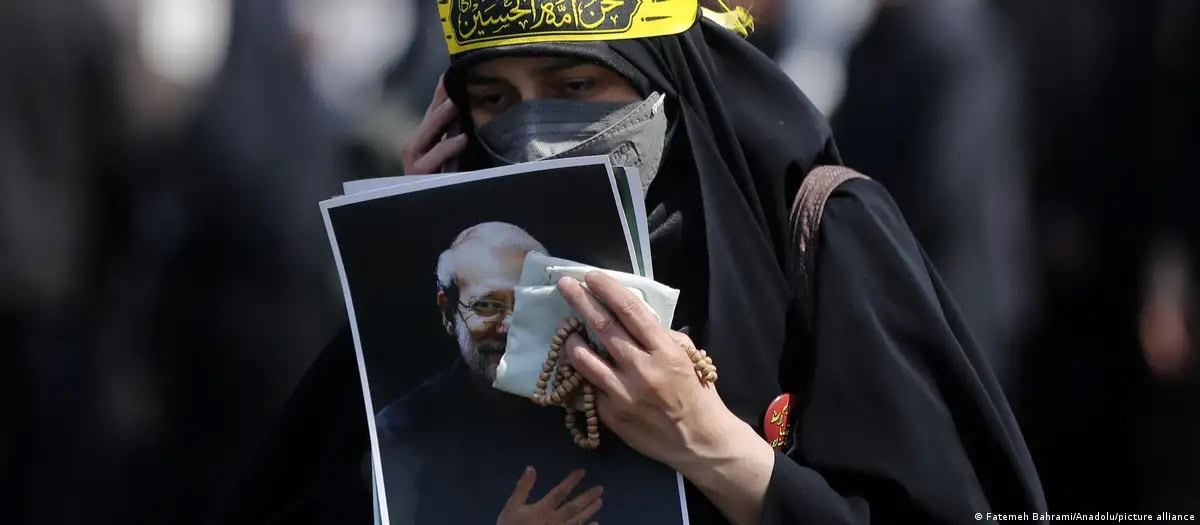
Image: Fatemeh Bahrami/Anadolu/picture alliance
آخر تحديث في: 23-03-2026 الساعة 12 مساءً بتوقيت عدن
"Tehran does not seek to empower AQAP to the extent that it threatens the influence of its allies, as much as it aims to keep it within a 'functional' level that serves specific goals."
South24 Center | Ibrahim Ali
In the contemporary jihadist scene, it is noted that Al-Qaeda is no longer the rigid central structure that characterized it during the era of Osama bin Laden. Instead, it has transformed into a network of "local proxies" who are heavily influenced by the contexts of the countries in which they operate, or those hosting their leadership. In this framework, the Iranian role emerges as an influential factor extending across time. For years, Tehran has hosted a number of the organization’s first-row leaders, including Saif al-Adel, who is widely believed to be managing the organization from within Iranian territory.
The relationship between Iran and Al-Qaeda is not linked to current developments related to the Iranian-American or Israeli war; rather, its roots go back to the aftermath of the September 11, 2001 attacks. Following the fall of the Taliban regime in Afghanistan, a number of the organization’s leaders and their families moved to Iran.
Multiple security reports indicate that some of these individuals were subjected to what was later described as "flexible house arrest”, a formula that enabled Tehran to keep them under strict security surveillance without completely cutting off communication channels with them.
In exchange, Iran returned some elements to their home countries, including the former leader of the Yemeni branch, Nasser al-Wuhayshi. Over time, these figures turned into a pressure card in Iran’s hands, used in its indirect conflicts with international and regional parties, or as an activatable tool in moments of tension. This presence was not, at any stage, purely humanitarian in nature; rather, it took on a strategic dimension linked to influence calculations.
In this context, the sudden emergence of the "Ajnad Beit al-Maqdis" group, coinciding with the escalation of military pressure on the Iranian axis, cannot be read in isolation from the Iranian need to expand the scope of targeting against American forces, but through tools carrying a "non-Shiite" fingerprint.
Tehran realizes that targeting American bases through its traditional proxies in Iraq, Yemen, or elsewhere may expose it to direct responses and provide its opponents with international cover to hold it accountable. However, when attacks originate from Sunni organizations such as Al-Qaeda, it confuses American calculations and complicates response paths. Therefore, the concept of "collusion" referred to by the "Al-Naba" newspaper, which is close to the Islamic State (ISIS), gains a significance that transcends the media bickering between the two organizations. While the Islamic State sees Al-Qaeda’s pragmatism toward Iran as a deviation from the methodology, Al-Qaeda views this behavior as a necessary choice for survival.
Reactivating the AQAP card at this timing serves Iran through three main tracks: distracting American intelligence efforts, sending a message that any escalation against it may open the door for a wider sectarian explosion, as well as creating an indirect adversary that can be disavowed later. In this framework, the "Ajnad Beit al-Maqdis" group may be nothing more than a temporary front for specific operational roles, capable of disappearing or reshaping under different names.
Yemen and Alternative Arenas
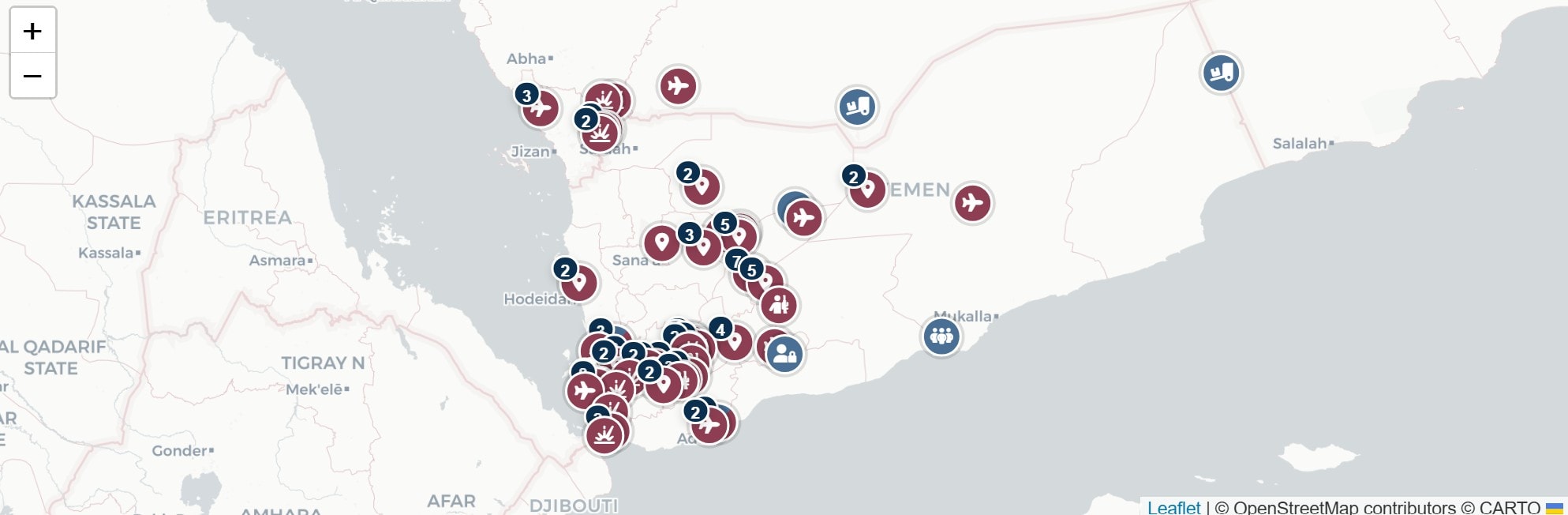
When addressing the "Yemen branch" (Al-Qaeda in the Arabian Peninsula - AQAP), the discussion revolves around one of the organization’s most experienced branches, capable of executing qualitative operations. Yemen, given its security complexities, provides a suitable environment for exercising multi-level pressures. On one hand, the Houthi militia holds influence over shipping lanes in the Red Sea, and on the other hand, areas outside their direct control allow a margin for AQAP’s movement—whether independently or through indirect arrangements—that may target Western interests in the Gulf of Aden and the Southern coasts.
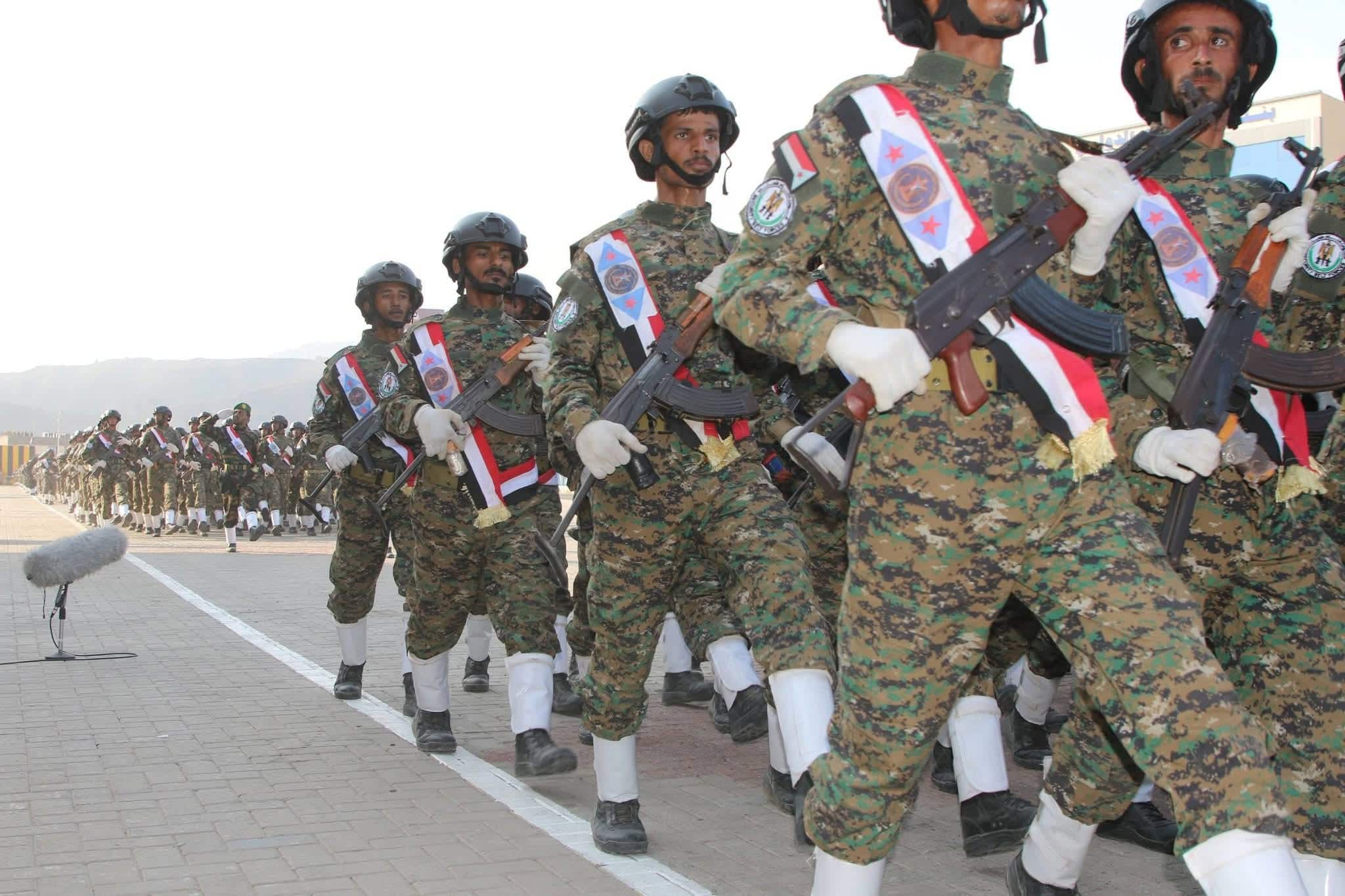
Added to this is an important field factor represented by the transformations witnessed in some governorates of the South during the recent period. Over the past years, the Southern Forces have been among the most prominent parties leading operations to pursue AQAP and significantly drain its capabilities. However, developments in Hadramout and Al-Mahra, which accompanied the end of the Emirati role and the freezing of activities of some formations supported by them, resulted in a relative security vacuum in some areas. This vacuum may contribute to reducing the operational pressure on the organization, allowing it to rearrange its ranks or expand the scope of its movements.
On the other hand, one cannot overlook the data revealed by UN and field reports regarding the nature of the relationship between the Houthi militia and AQAP in Yemen. Far from the traditional perception that places the two parties in a state of absolute enmity, certain facts have shown varying levels of "collusion" in specific areas. The United Nations Panel of Experts has pointed to cases involving the facilitation of movement for organization members, providing medical care for the wounded, and perhaps providing some forms of logistical support. Although these indicators do not amount to an open alliance, they reflect a field pragmatism imposed by the necessities of conflict.
The pivotal question here is whether Iran will push toward activating this branch in the current stage. Data suggests the possibility of this, but within calculated limits. Tehran does not seek to empower AQAP to the extent that it threatens the influence of its allies, as much as it aims to keep it within a "functional" level that serves specific goals. In this context, the reactivation of AQAP in Yemen can be understood as an indirect message to Washington, stating that any escalation against Iran may lead to the revival of cross-border terrorism threats. Thus, it uses the organization as a pressure tool within what can be described as "indirect political blackmail."
This argument is reinforced by the noticeable synchronization between calls issued by An AQAP leadership to target American interests and the escalation of military mobilizations around Iran. This suggests that the organization’s strategic decision may be influenced by the environment in which its leaders move. If some leaders reside inside Iran, this may reflect on the orientations of the various branches, including the Yemen branch. In this context, a relative decline in the intensity of the confrontation between AQAP and the Houthis is noted, in exchange for a greater focus on targeting forces supported by the Coalition or hinting at external operations.
In conclusion, Iran appears to be in the process of employing a diverse set of tools in its regional conflict, not limited to militias ideologically linked to it, but extending to include groups moving with interest-driven motives, such as the remnants of AQAP. This approach aims to raise the cost of confrontation to the maximum by expanding the scope of security threats. However, this strategy is not without inherent risks. Reliance on Sunni jihadist groups poses challenges related to the limits of control and the possibility of things spiraling out of bounds. These groups may turn against Iran’s interests in the future or employ the spaces granted to them in unexpected directions.
Furthermore, any attacks attributed—even indirectly—to groups linked to Iran may provide a justification for expanding military operations against it under the banner of combating terrorism, doubling the cost of the confrontation. In this context, the "Ajnad Beit al-Maqdis" group may only be a preliminary indicator of a broader pattern of potential movements, should Tehran feel that mounting pressures threaten its strategic balance or its ability to persist.


قبل شهرين

قبل 3 أشهر