مركز سوث24 للأخبار والدراسات
مركز سوث24 للأخبار والدراسات


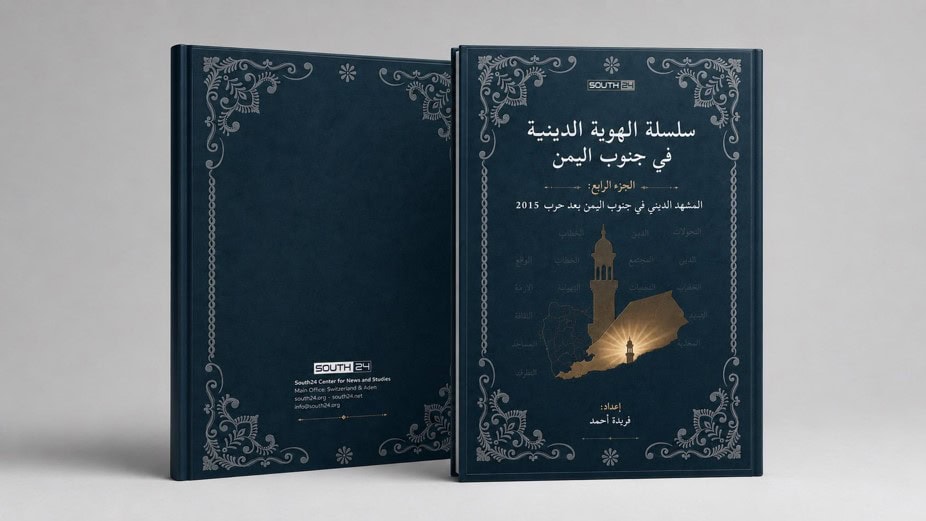
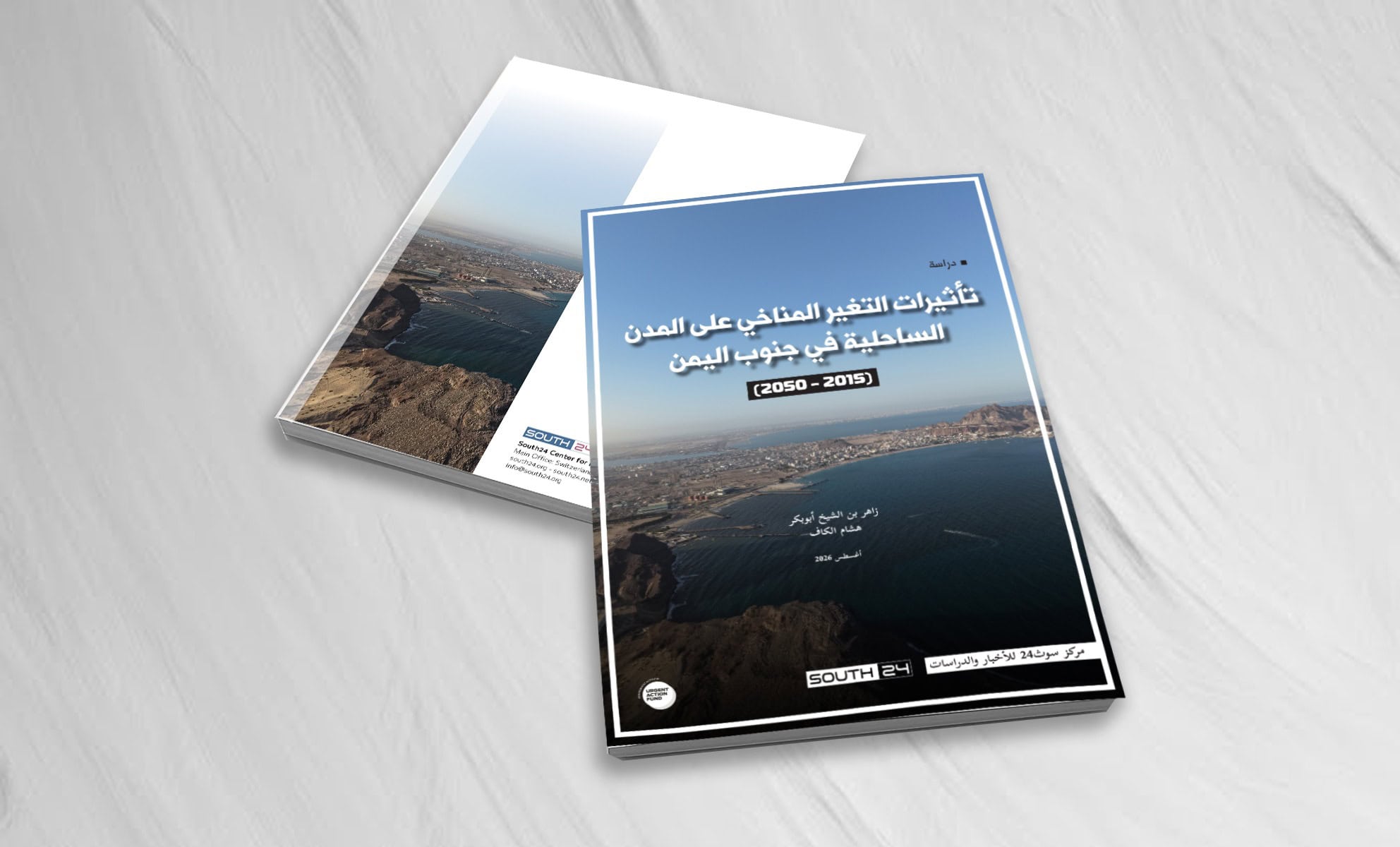
AI-generated 3D cover image of the study (South24 Center)
آخر تحديث في: 26-05-2026 الساعة 11 صباحاً بتوقيت عدن
Aden (South24 Center)
The 2015 war marked a decisive turning point in the structure of Yemen’s religious landscape in South Yemen, according to a new study by the South24 Center for News and Studies. Religious identity, the study finds, is no longer confined to spiritual or social affiliation. Instead, it has become an integral component of political and military conflict amid the collapse of central state authority, the fragmentation of power centers, and the rise of religious groups and currents that have shifted from preaching roles to direct security, military, and political engagement.
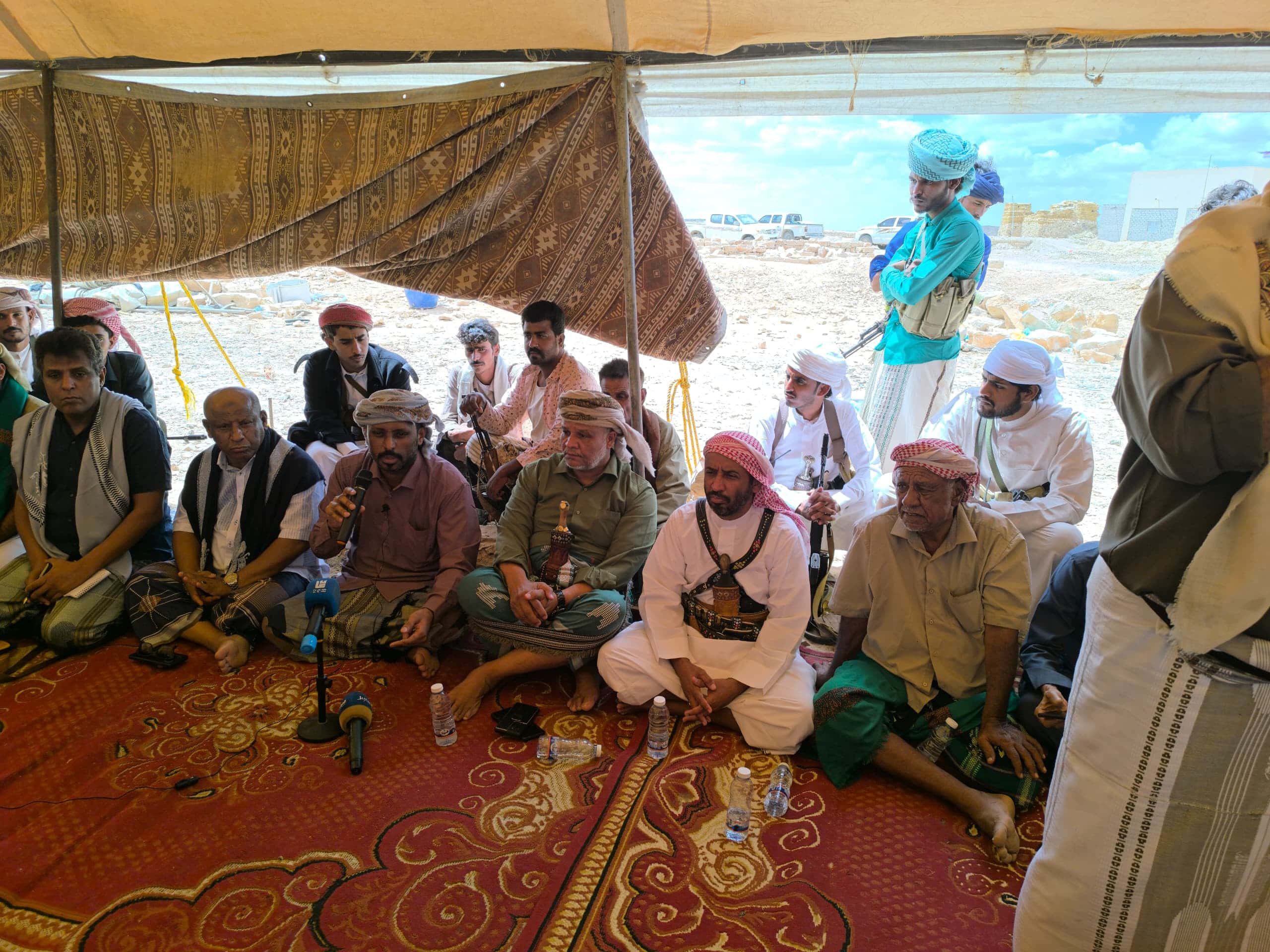
The study, authored by researcher Farida Ahmed and titled “The Religious Landscape After the 2015 War”, is the fourth and final installment in a research series issued by the Center on “Religious Identity in South Yemen.” In addition to documentary and media sources, it is based on field interviews conducted by the researcher and South24 correspondents in Aden, Hadramout, Al-Mahra, and Shabwa, with mosque imams, preachers, tribal sheikhs, religious figures, experts, activists, and individuals engaged in social and cultural affairs.
The study states that Yemen’s war has “revealed clear manifestations and tangible consequences” of religious identity in both social and political contexts, arguing that the conflict since 2015 “has reshaped the map of the religious landscape in Yemen in general, and in the South in particular, paving the way for the rise of sectarian and denominational dimensions in public discourse.”
State Collapse and the Reshaping of the Religious Sphere
According to the study, the collapse of central authority after 2014 significantly weakened the capacity of official institutions, most notably the Ministry of Endowments and Guidance, to regulate religious affairs and control mosque discourse. As a result, the map of religious influence fragmented along lines of political and military control. In Houthi-controlled areas, mosques and curricula were redirected to serve the group’s ideological project. In Northern areas partially under the Internationally Recognized Government, the Islah Party maintained its traditional networks, while in the South, Salafi currents emerged as influential actors in both religious outreach and security structures.
The study stresses that religion “is no longer limited to preaching and guidance, but has, over more than a decade of war, become one of the pillars of political influence and military dominance.” It links this shift to the breakdown of state institutions and the need for conflict actors to mobilize fighters and supporters, as well as the involvement of regional powers in reshaping religious and military balances.
On extremist groups, the study notes that the fragmentation of security and military institutions following the 2014 Houthi takeover created space for the expansion of Al-Qaeda in the Arabian Peninsula (AQAP) and ISIS in both northern and southern regions, including Hadramout, Aden, Abyan, and Shabwa. The study notes that AQAP controlled Mukalla for nearly a year until 2016, before the city was retaken by Hadrami Elite Forces with Emirati support, followed by a gradual decline of the group in Shabwa, Hadramout, and Abyan due to local military operations, including “Operation Decisive Sword” and “Arrows of the East.”
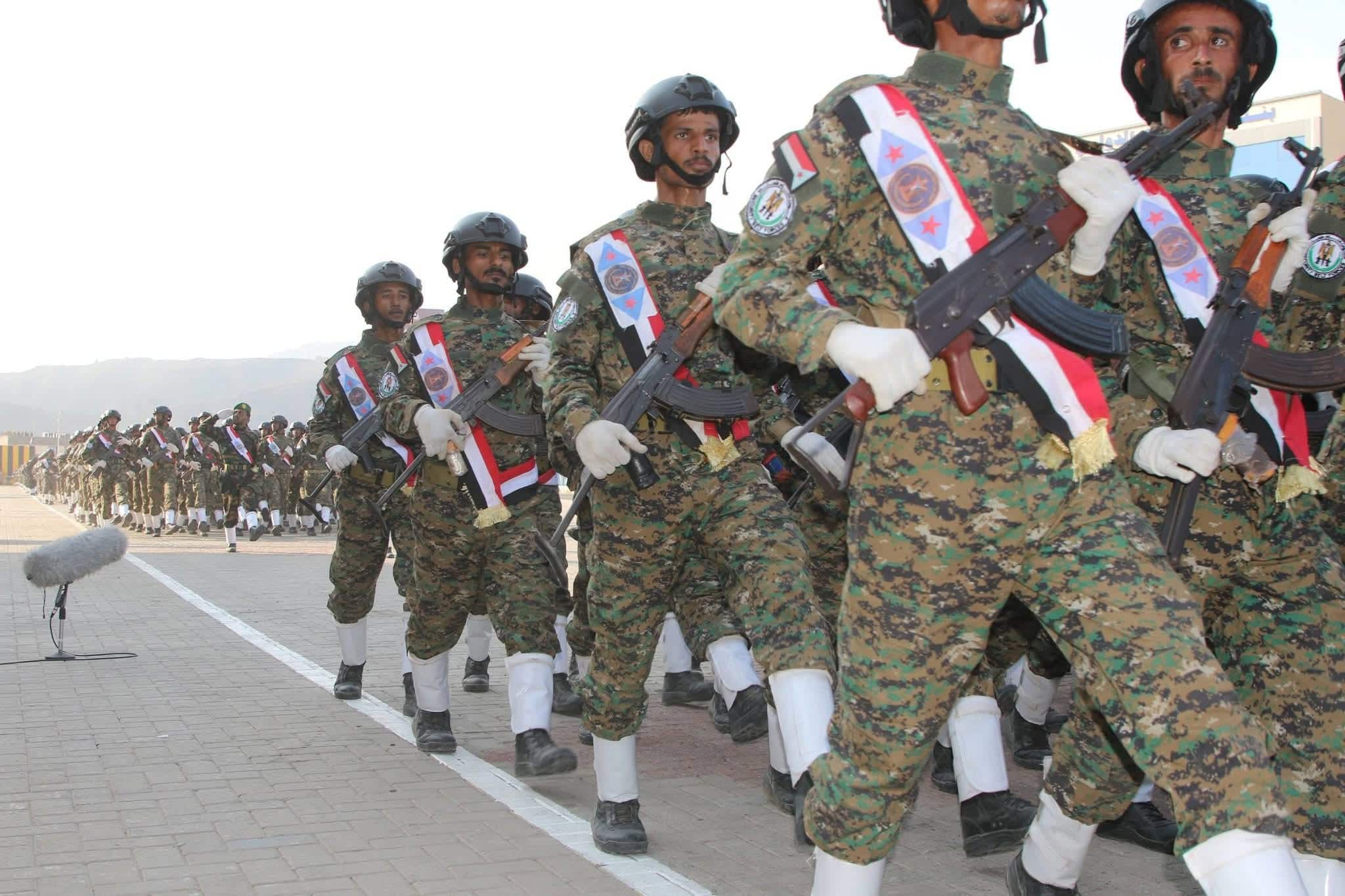
The study argues that the establishment of southern security and military formations, such as the Security Belts, Hadrami and Shabwani Elite Forces, and Counter-Terrorism Units, has helped shift the balance against extremist organizations. However, it warns that the weakening or political restructuring of these forces due to political disputes and regional interference could negatively affect counterterrorism efforts, particularly in areas such as Wadi and desert Hadramout.
The study devotes significant attention to the impact of Saudi and Emirati approaches toward religious actors in Yemen. It notes that Saudi Arabia has viewed the utilization of Islamic currents, particularly the Islah Party (the Yemeni branch of the Muslim Brotherhood), as a tool in confronting the Houthis, while the United Arab Emirates has focused on supporting alternative local military formations in South Yemen, some with Salafi backgrounds. It concludes that Salafi forces in areas under the Internationally Recognized Government have transitioned from primarily religious actors into military components directly influencing conflict dynamics and local power balances.
It identifies four main structures of Salafi-aligned forces in government-controlled areas: units integrated into the national army in Taiz and Marib, the Southern Giants Brigades, the “Nation’s Shield” forces, and the Yemeni Emergency Forces. However, it notes that while the Salafi identity is more evident at leadership levels, rank-and-file composition does not always reflect ideological uniformity, as many recruits are driven by economic and livelihood incentives.
The Rise of Salafism, the Decline of Islah, and Shifts in Discourse
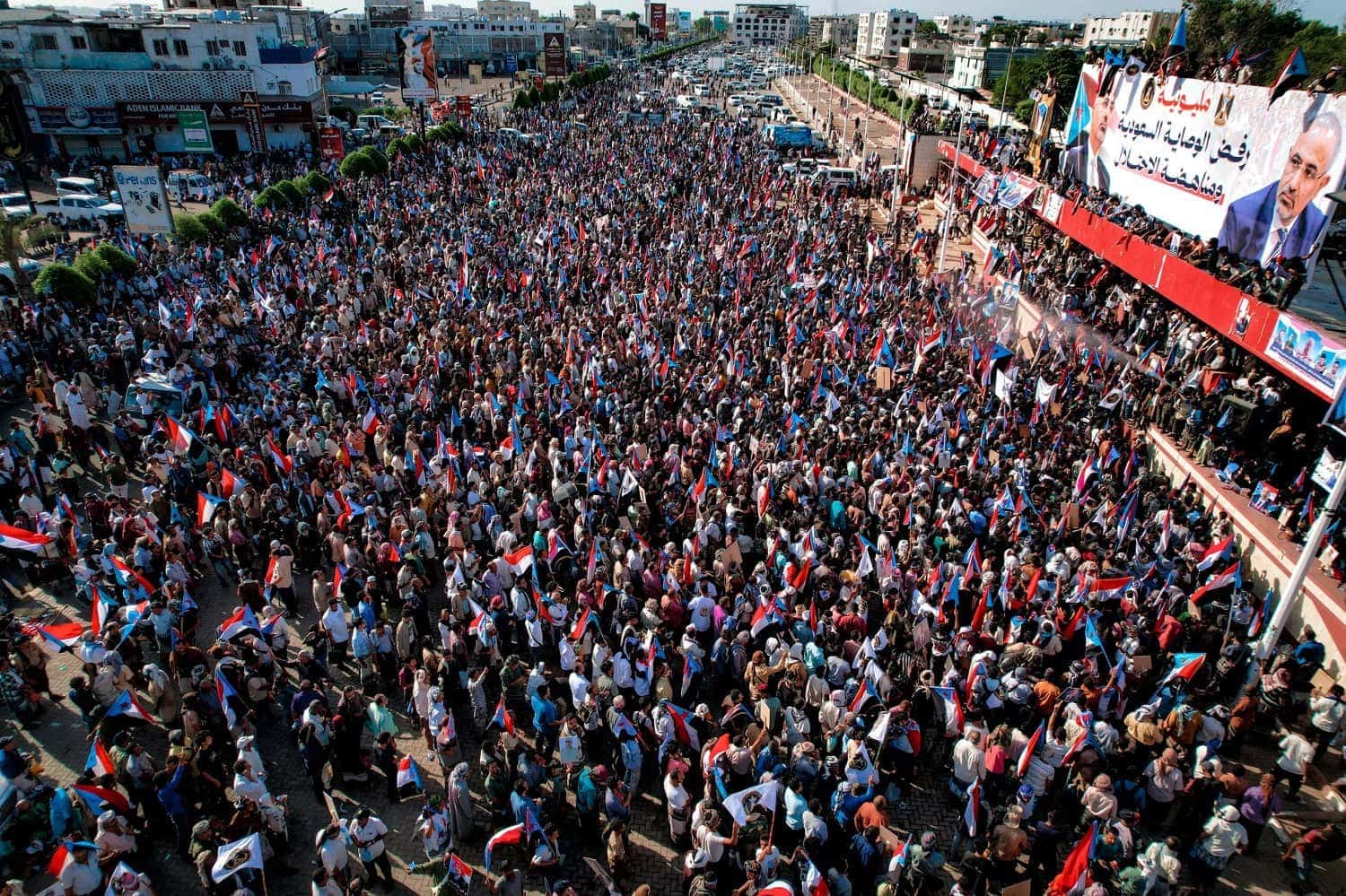
In comparing Salafi currents and the Islah Party, the study states that Islah maintained relative influence in parts of South Yemen before 2015, particularly in Shabwa and Hadramout, relying on its organizational networks and political presence. However, it has since experienced a gradual decline due to the rise of Salafi movements and the alignment of many of their formations with Islah’s political rivals, particularly the Southern Transitional Council. The study identifies the events of August 2019 in Aden and subsequent developments in Shabwa as key turning points in the party’s declining influence in the South.
The study also examines mosque sermons and post-war religious discourse regulation, noting that some platforms in South Yemen initially adopted sectarian rhetoric as part of mobilization efforts against the Houthis. Authorities in Aden later moved to regulate certain mosques and replace preachers accused of incitement. It observes that levels of oversight vary across governorates: restrictions are more pronounced in Aden due to its complex political environment, while Hadramout and Al-Mahra appear comparatively more open in managing religious affairs.
A Salafi sheikh in Hadramout is quoted as saying that “most traditional Salafi currents still focus heavily on the relationship between ruler and ruled, worship, ethics, and creed--topics that are distant from reality, unlike the activist Salafi trend, which engages with issues that directly affect society.” Preachers in Al-Mahra and Hadramout also stated that the government rarely imposes specific sermon texts, except for general directives when addressing sensitive social issues.
The study documents a notable expansion of Salafi religious centers in South Yemen after 2015, categorizing them into two types: scholarly Salafi centers linked to the traditional Dammaj school, and activist Salafi centers with organizational structures that run associations, activities, and training programs. It lists centers across Aden, Lahj, Shabwa, Dhale, Yafa, Hadramout, and Al-Mahra, some hosting thousands of students, reflecting their growing social and religious influence.
However, the study raises concerns about the opacity of funding sources for some of these centers. It notes that administrators often attribute external support to “Gulf patrons” or “Kuwaiti charitable organizations,” while available indicators suggest funding levels that exceed the operational needs of certain activities.
As an example, it highlights the Dar Al-Hadith Salafi Center in Dhale, led by Sheikh Rashad Al-Dhalai, pointing out that it receives “substantial funding.” While some parties attribute this support to local businessmen, other indicators, according to the study, suggest links to external sources, including the Kingdom of Saudi Arabia.
The study further notes that some of these centers have played a dual role: contributing to mobilization against the Houthis, while potentially becoming, in the absence of oversight, political or military tools or platforms vulnerable to infiltration by extremist groups or regional actors.
It warns that “any religious institutes or centers operating outside the official state regulatory framework may pose a risk to societal stability,” as they could gradually produce hardline ideologies or unregulated practices that conflict with state policies and societal norms.
The study addresses Sufi currents, noting that they have largely maintained a degree of neutrality and independence, particularly in Hadramout, despite historical pressures from Salafi and Islamist currents. It notes that Sufism in South Yemen no longer holds the same political and social influence it once did, but remains part of a moderate religious identity, especially in Hadramout and Aden.
Social and Cultural Impacts
On the social level, the study finds that the rise of conservative religious currents after 2015 has impacted women’s rights and personal freedoms, including restrictions on women’s participation in public life and limitations on their movement, employment, and political engagement. Content creator Reem Baggash is quoted as saying: “Instead of being partners in decision-making and society, women have become subject to guardianship imposed by these currents to justify their exclusion from public life, including politics, education, and other areas of civic participation.”
Dr. Ayat Al-Nomani is also quoted as saying that “some religious currents continue to reinforce concepts that exclude women from public life,” and that religious discourse on some platforms “links women’s rights to threats, punishment, and divine wrath.” At the same time, the study does not present a wholly pessimistic picture, noting that women continue to maintain space in sectors such as the economy, education, healthcare, and humanitarian work, albeit under greater caution and adaptation to conservative social conditions.
The study further notes that religious and social transformations have also affected minorities, culture, and the arts. It highlights a decline in the presence of minorities in Aden since the 1994 war, the closure of the last Hindu temple during the 2015 conflict, the targeting of the “Mother Teresa” house in March 2016, and the destruction of the Shiite Al-Husseini (Al-Khoja) mosque in Aden. It also documents campaigns of incitement against artists and cultural figures, including threats against magician Mohammed Abdul Karim “Tika” delivered from a mosque pulpit, as well as pressures on theater, music, and drama.
Actor Adnan Al-Khader is quoted as saying: “We have lost a large part of the value of art, because portraying women in hijab inside their homes makes them appear disconnected from their social environment, which is unrealistic, and its repetition undermines the credibility of the scene.” The study concludes that the religious and cultural landscape in South Yemen has gradually moved since 1994, and more clearly after 2015, toward greater conservatism and social restriction, undermining the historical diversity for which Aden was known.
The study concludes that the 2015 war has produced structural transformations in Yemen’s religious, political, social, and cultural landscape. It asserts that religious groups have become influential actors in politics and militarization, and that sectarian and religious discourse has been used to legitimize political and military dominance.
It recommends rebuilding an institutional framework governing religious affairs in South Yemen by placing mosques, religious centers, and religious institutions under the direct supervision of the Ministry of Endowments, while ensuring the independence of religious discourse from political and security exploitation. It also calls for strengthening counterterrorism efforts within a sustainable institutional framework, supporting local security and military formations, and preventing the politicization or regionalization of counterterrorism efforts.
The study further emphasizes the need to professionally rehabilitate and train imams and preachers, regulate funding sources, review religious curricula, and organize Salafi armed formations within a clear Southern institutional framework to prevent their use as tools in regional conflicts. It also calls for restoring the moderate historical character of South Yemen’s religious identity, protecting the Shafi’i school as a cultural and religious identity marker, adopting a unified sermon system in mosques, and supporting women’s freedom in education, work, and public participation, while safeguarding minorities and artists from harassment and incitement.


قبل شهرين
قبل 3 أشهر