مركز سوث24 للأخبار والدراسات
مركز سوث24 للأخبار والدراسات


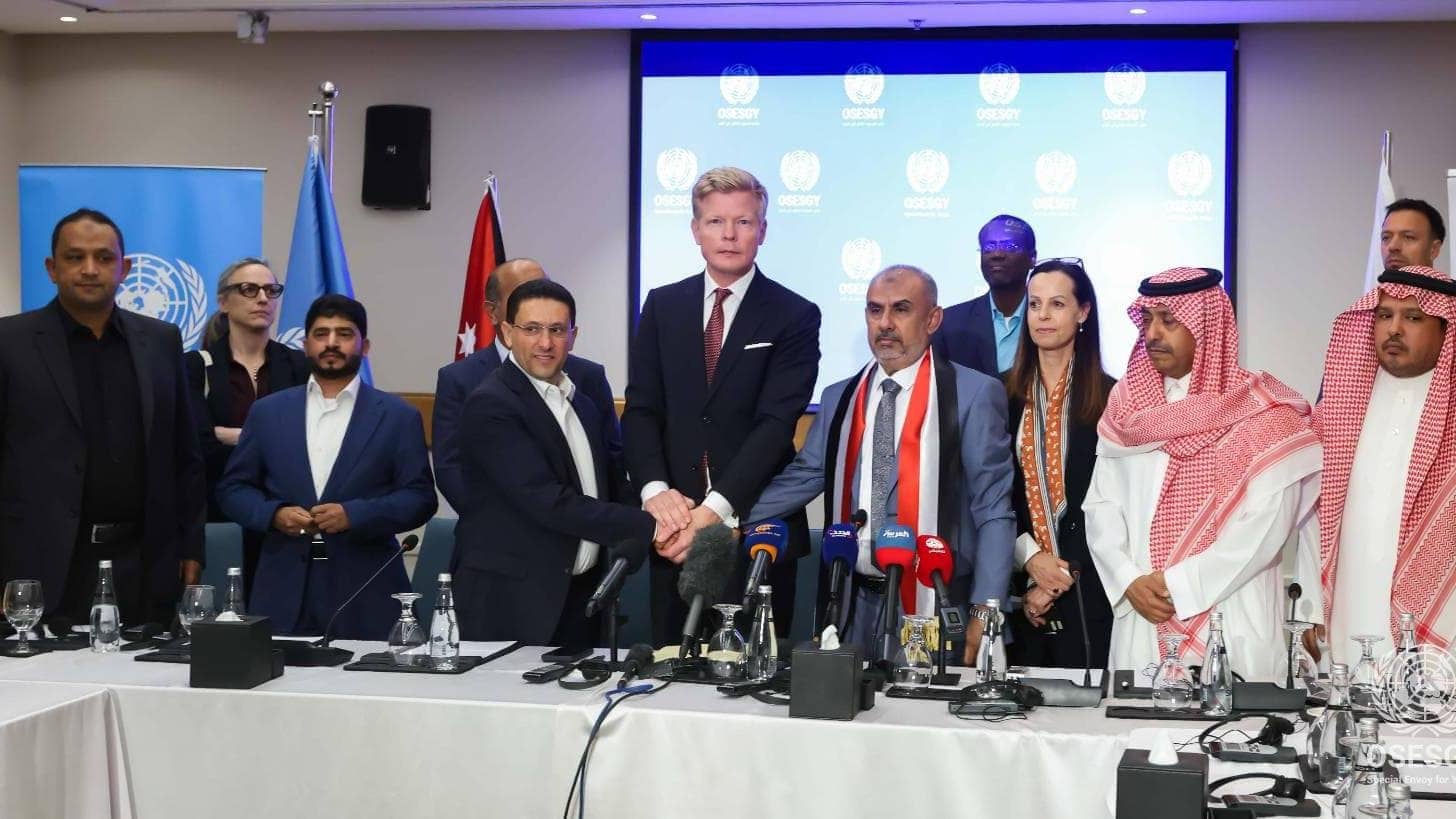
Representatives of Yemen’s internationally recognized government, the Houthi group, Saudi Arabia, and the United Nations following the signing of an agreement to release 1,728 detainees in Amman, Jordan, on May 14, 2026. (Office of the UN Special Env
16-08-2026 الساعة 12 مساءً بتوقيت عدن
Abdullah Al-Shadli (South24 Center)
The prisoner and detainee exchange deal between Yemen’s government and the Houthi group has shifted from an initiative aimed at reuniting thousands of families into a legal and security issue that has triggered widespread opposition across South Yemen, following reports that individuals accused or convicted of assassinations, bombings, and terrorism on behalf of the Houthis, as well as drug traffickers, have been included on the exchange lists.
On May 14, 2026, the two sides reached an UN-brokered agreement to release more than 1,700 conflict-related detainees and set July 11 as the date to begin implementation. However, the process stalled before it could begin, amid mutual accusations between the two sides.
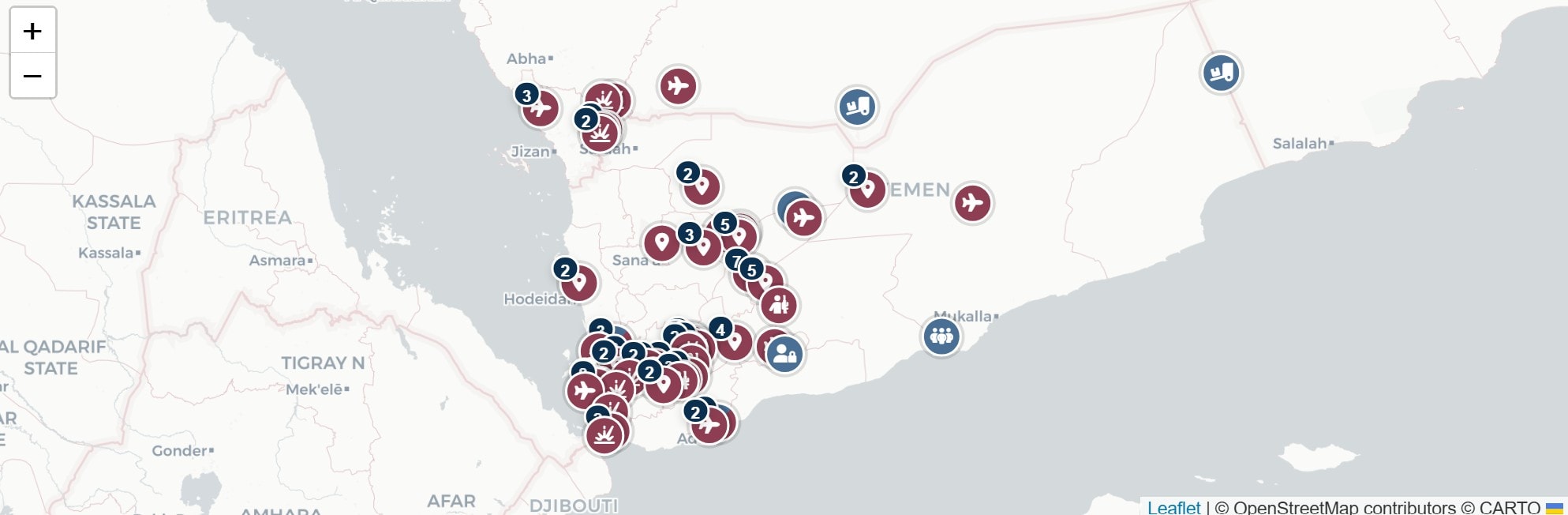
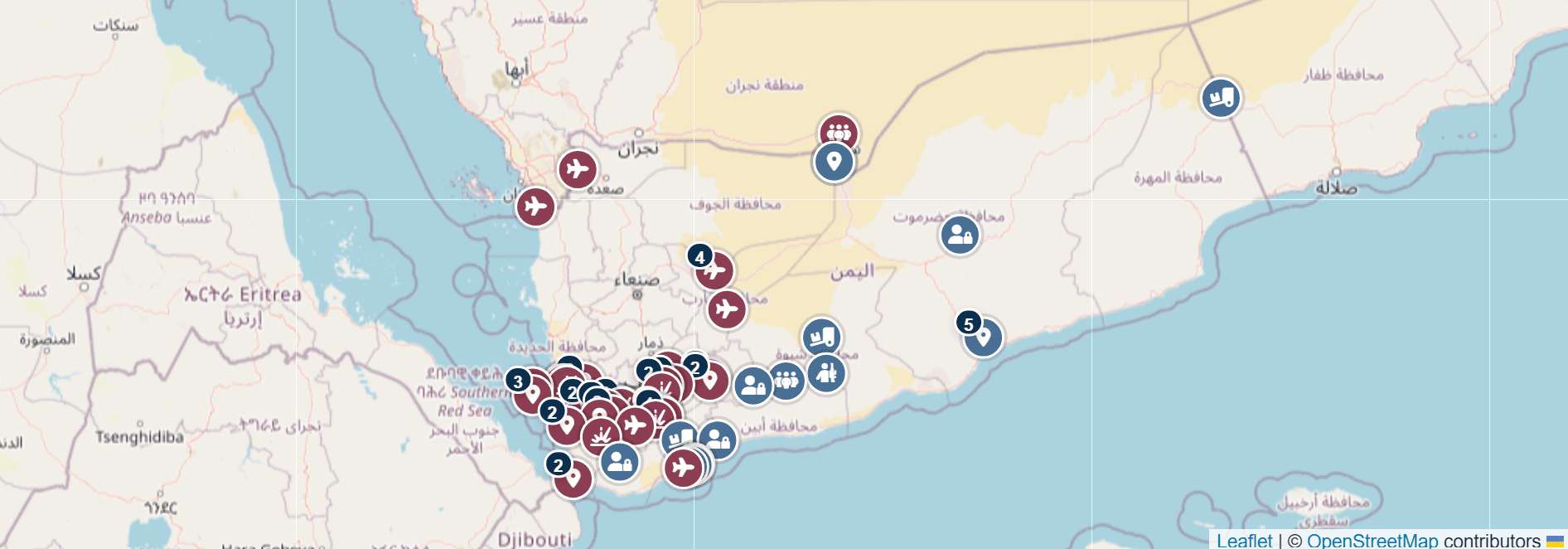
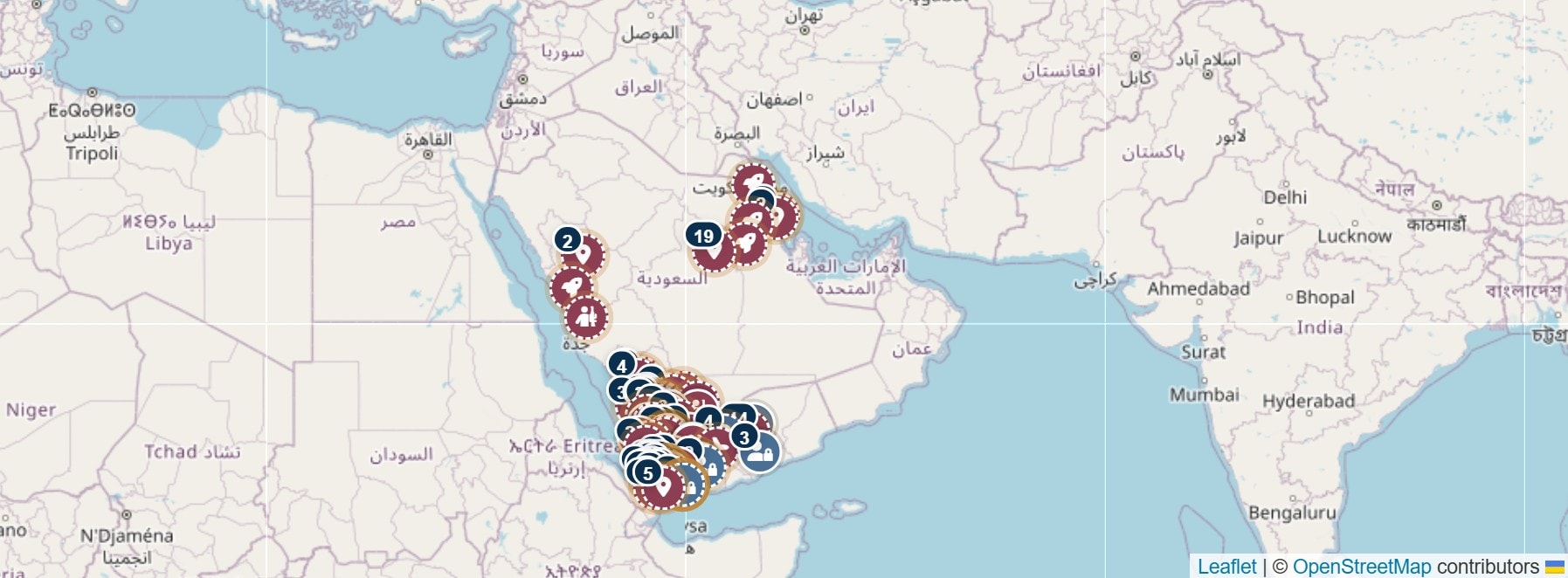
Since then, no new official date has been announced. The subsequent military escalation between Saudi Arabia and the Houthis has further deepened the deadlock and complicated prospects for implementation. Two days after the scheduled date, Sanaa Airport’s runway was targeted to prevent an Iranian aircraft carrying a Houthi delegation from landing. This was followed by Houthi attacks on Saudi Arabia and an expansion of the confrontation in the Red Sea. The escalation was therefore not the original reason the deal stalled, but it further weakened the political and security environment needed to revive the process.
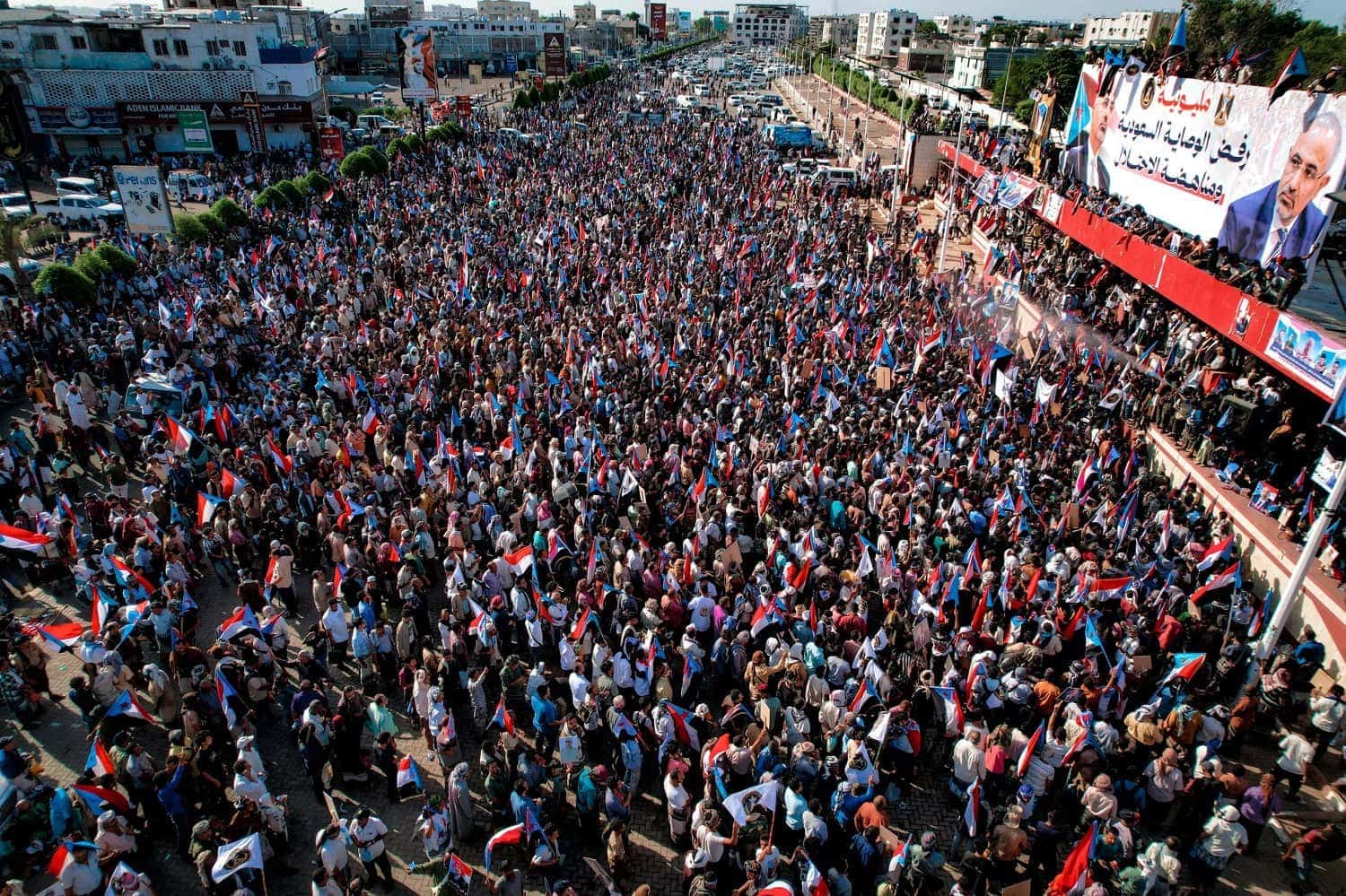
Alongside the dispute between the two sides, objections intensified in Aden, Lahj, Hadramout, Abyan, and Shabwa. Families of victims of assassinations and terrorist attacks joined tribal and civil society movements in demanding that conflict-related detainees be separated from those accused or convicted of criminal offenses.
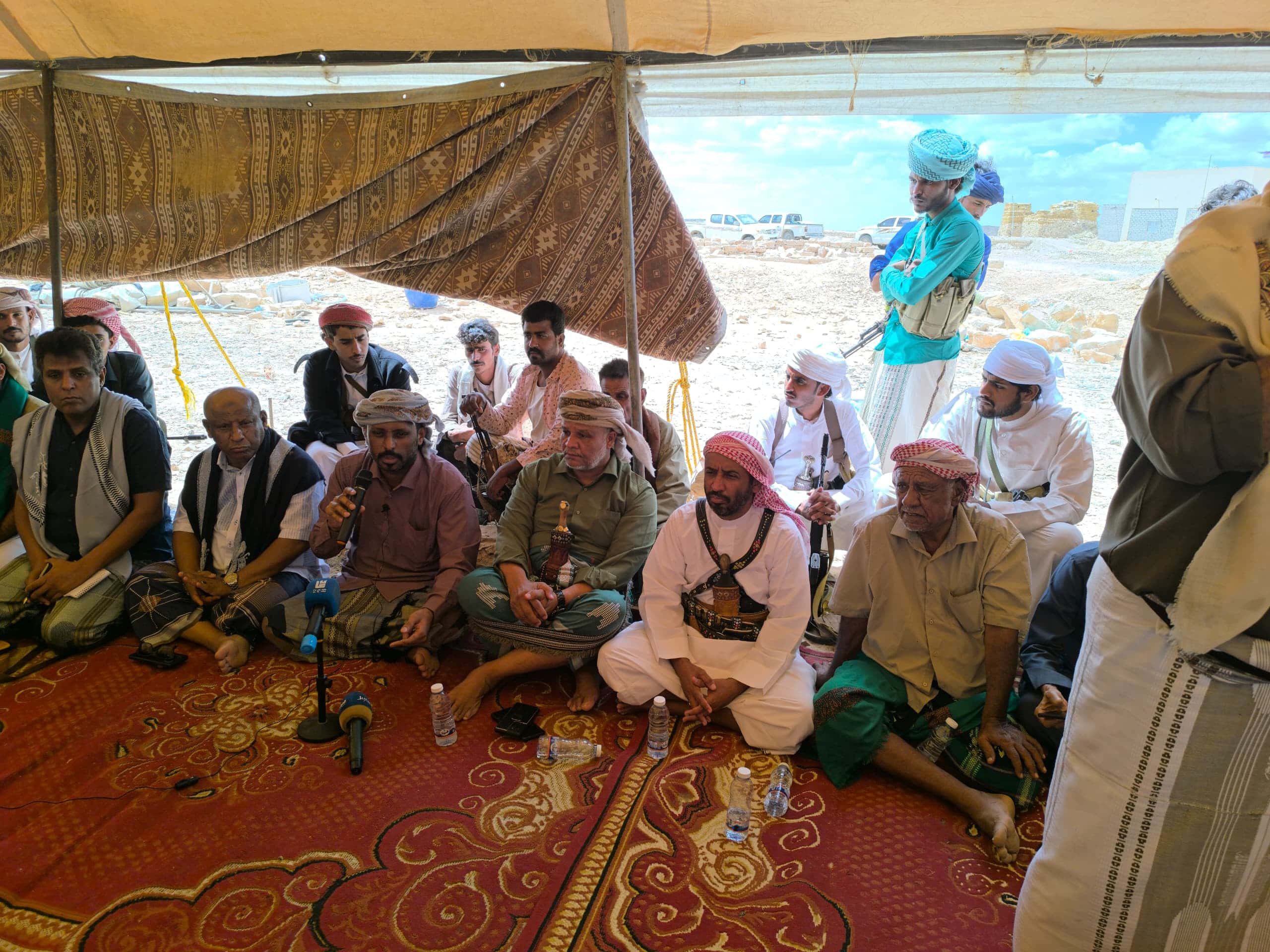
The protests peaked when the Radfan tribes organized armed convoys to protest the inclusion of individuals linked to the killing of Major General Thabet Muthanna Jawwas, commander of the Al Anad Axis, and five of his escorts in March 2022.
The controversy widened further after Brigadier General Abdullah Lahmadi, Director General of the Ministry of Interior’s Anti-Narcotics Department, disclosed that individuals who had been arrested or convicted in drug-related cases were also included on the lists. This coincided with local reports that prisoners had been transferred from the central prison in Mukalla as part of arrangements linked to the deal, without any official announcement identifying them, clarifying their legal status, or stating which authority ordered their transfer.
The absence of publicly disclosed lists and clear criteria used by the government delegation reveals a fundamental gap in the management of the file. This is particularly significant because the International Committee of the Red Cross’s role is limited to verifying identities and detainees’ willingness to be released, conducting medical examinations, and organizing transfers. Responsibility for selecting names and reviewing their legal status remains with the parties and authorities managing the prisons.
This report examines the legal implications of including individuals accused or convicted of murder, terrorism, and drug offenses in a deal intended for conflict-related detainees. It also assesses the potential security risks of releasing individuals accused of operating within assassination and bombing cells and smuggling networks, as well as the safeguards needed to prevent the humanitarian process from becoming a means of circumventing the judiciary and recycling security threats in the South.
Legal Implications
A person does not become a prisoner of war simply because one of the parties requests their release. Their status depends on the reason for their detention and the nature of the offense of which they have been accused or convicted. If a person is being held in connection with a murder, bombing, or drug offense, placing their name on an exchange list does not transform the case into a conflict-related matter or absolve them of legal responsibility.
Legal adviser Dr. Nasr Mohammed Al-Shuaibi argues that, as a general rule, individuals convicted of serious criminal offenses, including assassinations, bombings, and terrorism, should not be included in prisoner exchange deals if they are serving sentences handed down by competent courts for criminal offenses rather than for their participation in hostilities. Judicial rulings are binding and enforceable and cannot be nullified by a political understanding unless there is a legal basis, such as amnesty or the annulment of a judgment in accordance with established procedures.
Article 539 of Yemen’s Criminal Procedures Law regulates both general and special amnesties. However, it stipulates that neither form of amnesty affects the rights of third parties without their consent, including qisas, diya, and arsh. Diya is the financial compensation paid to the heirs of a victim in cases of homicide or accidental death. Under Islamic law, it serves as an alternative to qisas (retribution) if the victim’s family chooses to forgive the offender or opt for a financial settlement.
Al-Shuaibi told South24 Center that a general amnesty represents the state’s waiver of its right to punish, while private rights can only be relinquished by the victims or their heirs. A political agreement cannot substitute for their consent.
Accordingly, the release of a person convicted of murder does not extinguish the rights of the victim’s family or bring the case to a legal end unless an amnesty or settlement is issued in accordance with the required procedures. Similarly, transferring a convicted person to an area beyond the reach of judicial authorities may effectively obstruct enforcement of the sentence, even if the judgment remains legally valid.
The issue is not limited to individuals with final convictions. Including defendants whose cases are still before the courts could disrupt investigations or trials and deprive victims’ families of the opportunity to obtain a final judgment. Although a defendant is protected by the presumption of innocence, this does not give the executive authority the right to remove them from the judicial process through a negotiated decision.
According to Al-Shuaibi, affected parties have the right to object, assert claims for qisas, diya, or compensation, and petition the competent court to challenge any measure affecting their rights and request its suspension where permitted by law. However, exercising this right becomes difficult when the names of those being released are not disclosed and families and judicial authorities are not given an opportunity to review the lists before the handover.
The detaining authority bears responsibility if it releases a convicted person without a judicial order or an amnesty issued in accordance with the required procedures, as it has actual custody of the prisoner and carries out the decision to release them. Responsibility may also extend to the authority that issued the directive or approved the name if the action results in obstructing the enforcement of a judicial ruling or harming victims’ rights.
The screening process is further complicated by the fact that Yemen’s Crimes and Penalties Law No. 12 of 1994 does not contain a separate chapter dedicated to terrorism offenses. Al-Shuaibi explains that acts are legally classified according to their circumstances as hirabah, intentional murder, bombing, criminal participation, or offenses against state security. Article 12 classifies hirabah as a hadd offense. Hirabah is a major legal category under Islamic criminal law (hadd) that addresses offenses against public safety and national security. It legally encompasses acts of armed banditry, terrorism, and violent felonies that disrupt public order and carry fixed mandatory penalties. Its relevant provisions begin under Article 306 and may carry penalties including death, crucifixion, or amputation.
Security Implications
The impact of releasing individuals whose inclusion on the exchange lists has sparked controversy and goes beyond undermining judicial accountability. It also raises the possibility of returning individuals with experience in clandestine operations, assassinations, bombings, and smuggling to an already fragile security environment, at a time when the military confrontation is escalating and the parties have a growing interest in building networks inside areas controlled by their opponents.
Journalist Ammar Ali Ahmed told South24 Center that releasing individuals accused or convicted of operating within Houthi-linked cells could provide these networks with what amounts to a “protective cover” and encourage the group to recruit new members in government-controlled areas. An individual who believes that arrest could eventually result in their inclusion in a prisoner exchange would face a lower personal cost, weaken security deterrence and make the formation of new cells more likely.
Even if those released do not immediately return to their previous activities, Ammar Ali believes the Houthis could benefit from their expertise by having them lead or train other members, establish new networks, and pass on their knowledge of movement, concealment, and communication methods. The risk, therefore, is not limited to the released individual but extends to their ability to expand the scope of activity and transfer their expertise to a larger group.
The deal could also send a negative message to security agencies that took risks tracking down cells, gathering evidence, and arrest their members, only to see the results of their work subsequently reclassified as part of a negotiation process. Ammar Ali argues that this could undermine trust between security institutions and political authorities, particularly in the absence of publicly disclosed criteria determining who is treated as a conflict-related detainee and who remains subject to criminal accountability.
According to Ammar Ali, the Houthis are likely to portray those released as “heroes” and use their release to challenge the work of security agencies in South Yemen’s governorates, accusing them of fabricating cases. Political actors could also exploit this narrative to turn assassination and bombing cases from criminal matters into material for political and media polarization.
The risks are compounded when drug trafficking and smuggling networks are involved. Releasing traffickers or dealers before their trials are completed or their sentences are served could allow them to reactivate their previous networks and draw on their existing relationships and expertise. It could also give armed groups an opportunity to broaden the concept of their “prisoners” to include members of financial and criminal networks that provide them with services, turning such individuals into bargaining assets that can be recovered whenever they are arrested.
Implementation Safeguards
Objections to certain names do not amount to rejecting the principle of the exchange or seeking to obstruct the release of conflict-related detainees. Rather, they highlight the need for a mechanism that separates the humanitarian track from criminal cases before implementation resumes.
According to Ammar Ali Ahmed, this should begin with a name-by-name review of the lists by a committee comprising representatives from the judiciary, prosecution, and security authorities. The review should establish the reason for each person’s detention, the stage of their case, the nature of any judgment, and any related private rights. Contested names could be suspended without tying the fate of the remaining detainees to them or allowing such cases to become grounds for abandoning the entire deal.
The process should also include the disclosure of the criteria used by the government delegation to approve the names and the identification of the authority empowered to approve the transfer of defendants or convicted individuals. Victims’ families should also be given an opportunity to raise objections before implementation, rather than after an individual has been removed from the reach of the judiciary.
The deal can still be resumed despite the escalation, but its success depends on avoiding a blanket implementation process that leaves no room for reviewing disputed cases. Protecting conflict-related detainees is not incompatible with safeguarding the judiciary and victims’ rights. Rather, separating the two tracks is the only safeguard for ensuring that the process can continue without becoming a new source of tension.