مركز سوث24 للأخبار والدراسات
مركز سوث24 للأخبار والدراسات



Saudi Crown Prince Mohammed bin Salman during a meeting with UAE Vice President Sheikh Mansour bin Zayed Al Nahyan in Riyadh, Saudi Arabia, September 29, 2026. (Photo: Saudi Press Agency, SPA)
آخر تحديث في: 12-10-2026 الساعة 4 صباحاً بتوقيت عدن
Radwa Al-Sharif (South24 Center)
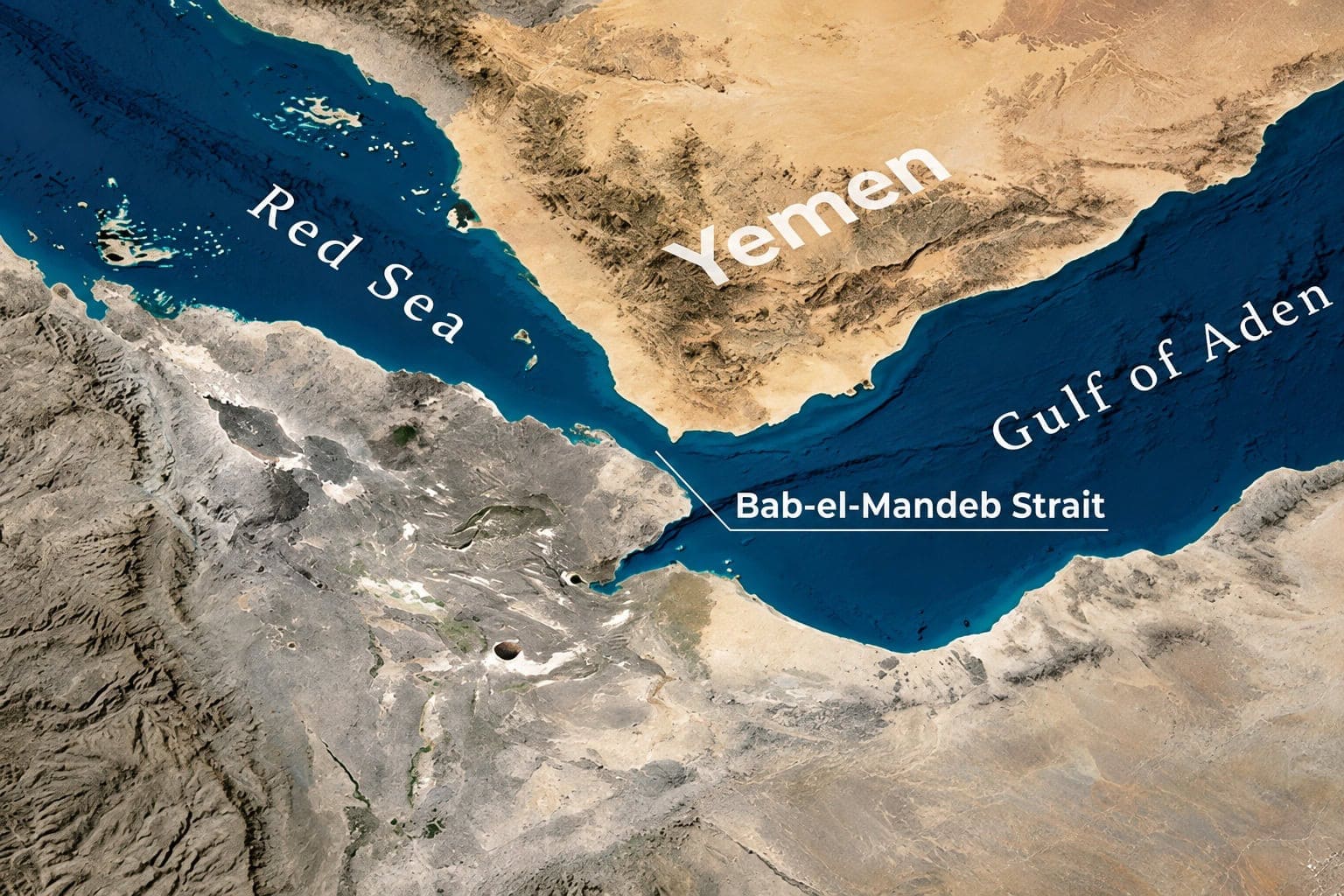
Military and political developments in Yemen in recent weeks have revived the prospect of renewed coordination between Saudi Arabia and the UAE, following the crisis in their relations in early 2026, which ended with Abu Dhabi announcing the withdrawal of its remaining military forces from Yemen. The visit by UAE Vice President Sheikh Mansour bin Zayed Al Nahyan to Riyadh on September 29 coincided with an escalation in Houthi attacks on Saudi Arabia. In the first days of October, anti-Houthi forces then undertook simultaneous military moves, with the Southern Giants Brigades and Nation’s Shield Forces joining battles along the western coast and around the Bab al-Mandeb Strait.
These developments point to a growing need for broader security coordination between Riyadh and Abu Dhabi amid expanding threats to their shared interests, particularly border security and maritime routes. However, restoring coordination remains contingent on the two countries’ ability to manage differences that have accumulated over local forces and the future of South Yemen. Against this backdrop, the article examines the drivers behind the resumption of Saudi–Emirati coordination, the political and military indicators pointing in that direction, and the prospects for developing it into more stable understandings amid continued differences over how to manage the situation in Yemen.
First: The Crisis of Early 2026 and Shifts in Saudi–Emirati Relations
Saudi–Emirati relations in Yemen have undergone gradual changes since the Arab Coalition launched its operations in 2015. The two countries shared military and political objectives in confronting the Houthis, and their cooperation helped build an extensive network of ties with Yemeni forces opposed to the group. As the conflict evolved, differences emerged over priorities, particularly regarding the administration of South Yemen’s governorates and the nature of the military and security formations deployed there.
Saudi Arabia focused on the security of its southern borders and maintaining its influence within the internationally recognized Yemeni government’s institutions, alongside managing the negotiating track with the Houthis. The UAE, meanwhile, prioritized strengthening coastal and maritime security and combating extremist organizations. It also established close political and military ties with southern forces, most notably the Southern Transitional Council and the Southern Giants Brigades. These differing priorities contributed to the emergence of parallel security and political arrangements, which became increasingly sensitive as competition for influence intensified in Hadramout, Shabwa, and Aden.
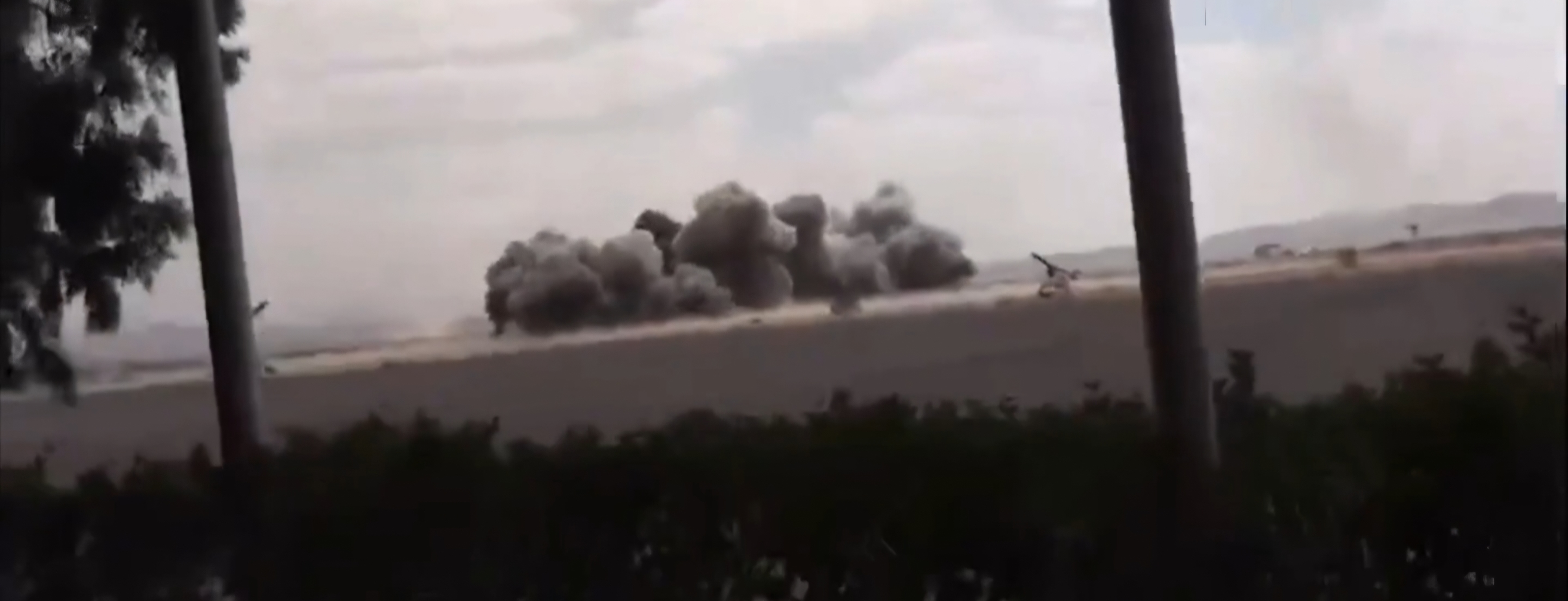
The differences reached their peak in December 2025, following the advance of Southern Transitional Council forces into Hadramout and Al Mahra and their seizure of strategic positions, which Riyadh viewed as a threat to its security and interests. Tensions escalated on December 30, when Saudi aircraft bombed Al-Mukalla port, targeting what Riyadh described as a shipment of weapons and military equipment linked to the UAE. Abu Dhabi denied the allegations concerning the nature of the shipment, maintaining that the equipment was intended for its forces stationed in Yemen.
The dispute became a public crisis after Saudi Arabia called for an end to the UAE’s military presence and a halt to support for formations it considered outside the state’s authority. On January 2, 2026, the UAE Ministry of Defense officially announced the completion of the return of all its armed forces personnel from Yemen, implementing a decision to end the remaining missions of its counterterrorism units. This coincided with Saudi-backed military movements that took control of Al-Mukalla and other areas in Hadramout, reversing the territorial gains made by the Southern Transitional Council in December.
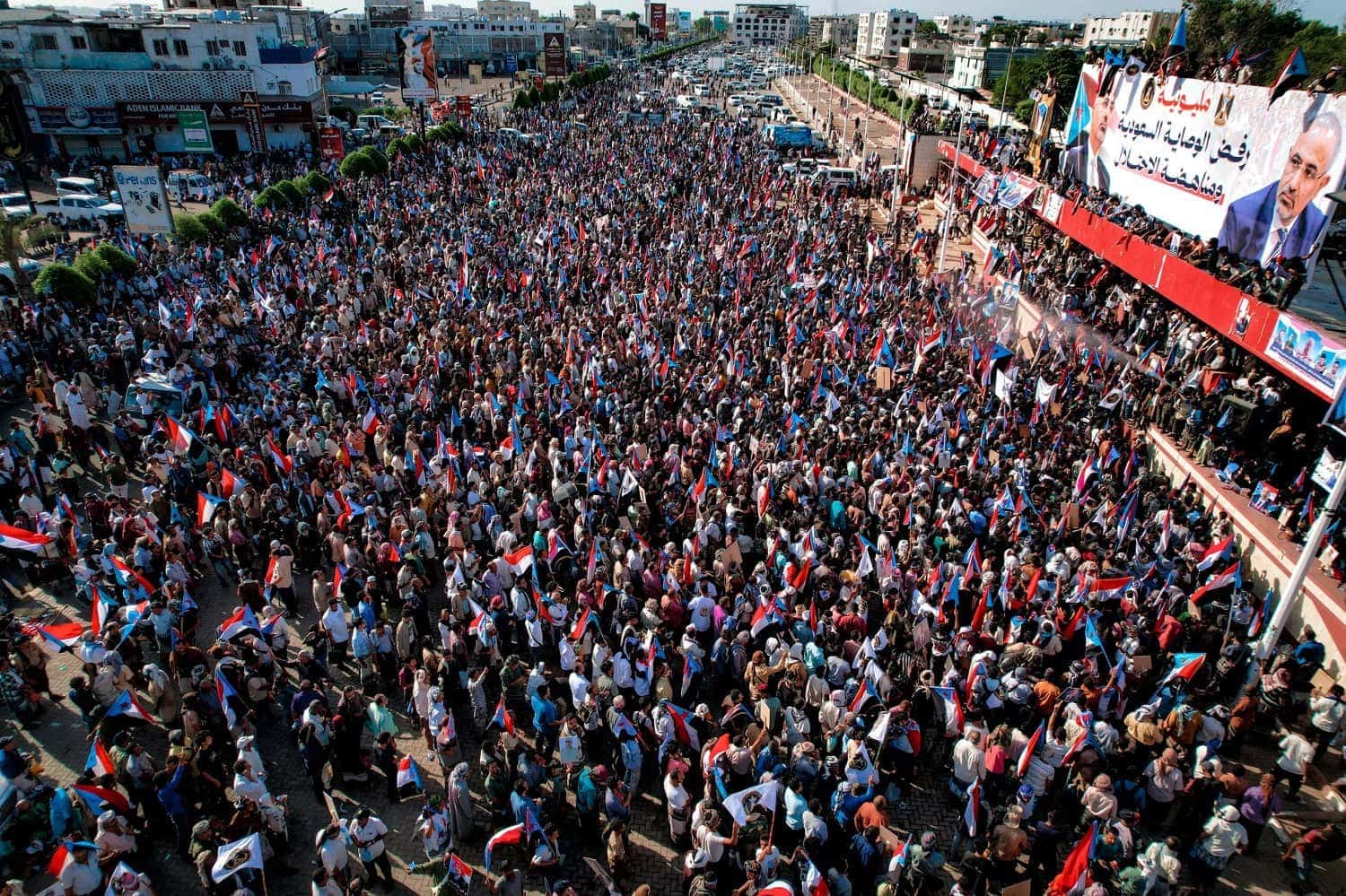
These developments were followed by a Saudi effort to reorganize the political and security landscape in the south. This included changes to the Presidential Leadership Council, attempts to reshape southern political representation, and efforts to advance a dialogue hosted by Riyadh. However, these moves faced opposition from the Southern Transitional Council and other southern forces, particularly over the political framework for the dialogue and the future of the South cause.
The withdrawal of Emirati forces marked a significant shift in the nature of the UAE’s presence in Yemen. The remaining publicly acknowledged direct military presence came to an end, while political and longstanding ties with several local forces remained intact. Accordingly, discussions about restoring coordination at this stage hinge on the possibility of reaching an agreement on managing the Yemen file, without necessarily returning to previous military deployment arrangements.
Second: Drivers of Restoring Saudi–Emirati Coordination in Yemen
The visit by UAE Vice President Sheikh Mansour bin Zayed Al Nahyan to Riyadh on September 29 marked a significant political indication of the possibility of moving beyond a period of tension. He met with Saudi Crown Prince Mohammed bin Salman and Defense Minister Prince Khalid bin Salman at the latter’s invitation. Although official statements were limited to bilateral relations and regional developments, the visit took on particular significance as the first visit by a senior Emirati official to the Kingdom since the crisis erupted late last year.
The visit came amid escalating Houthi threats to Saudi interests, following an expansion of their military operations toward the western coast and the area around the Bab al-Mandeb Strait in September, as well as intensified missile and drone attacks on Saudi facilities and airports. This increased security pressures on Riyadh, as the threat extended beyond its southern borders to vital infrastructure and maritime traffic in the Red Sea, reinforcing its need to broaden cooperation with regional partners.
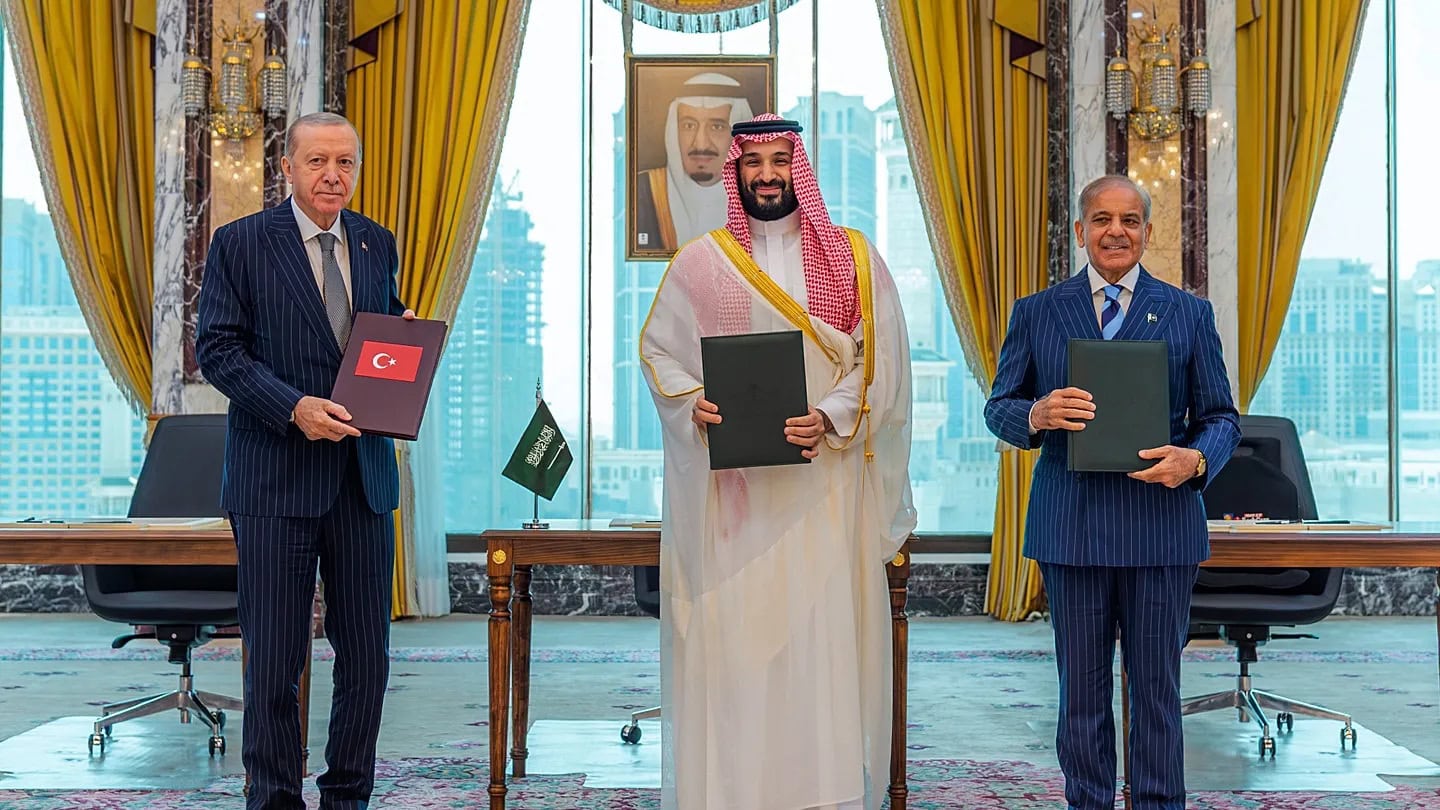
In this context, the Mecca Mutual Defense Agreement, signed by Saudi Arabia, Turkey, and Pakistan on August 7, takes on added significance. The agreement stipulates that an armed attack against any one of the three countries shall be considered an attack against all three. However, the scope of participation has remained tied to the agreement’s defensive nature. On October 8, Turkish Foreign Minister Hakan Fidan confirmed that Turkey would not participate in offensive operations inside Yemen. Pakistan has also agreed to deploy additional troops to the Kingdom, without clearly announcing any direct involvement in battles against the Houthis.
This highlights the distinction between the requirements of defending Saudi territory and managing the military confrontation inside Yemen. While new defense partnerships provide additional capabilities to strengthen the Kingdom’s security, Saudi Arabia’s longstanding ties with the UAE carry a different significance, given Abu Dhabi’s experience in Yemen and its network of relations with local forces opposed to the Houthis. This experience was demonstrated in operations carried out by the Southern Giants Brigades with Emirati support over the past several years, particularly along the western coast and in Shabwa, where they helped retake areas from Houthi control in early 2022. From this perspective, Riyadh may view renewed coordination with Abu Dhabi as an opportunity to draw on its experience and local relationships, complementing regional defense arrangements and strengthening Yemeni forces’ ability to manage the confrontation on the ground.
Recent Emirati positions have further reinforced indications of political rapprochement. On October 7 and 8, Abu Dhabi condemned Houthi attacks on Saudi facilities and vessels in the Red Sea and around the Bab al-Mandeb Strait, as well as on King Khalid International Airport and Abha International Airport, affirming its full solidarity with Riyadh. These positions reflect converging security interests between the two countries, particularly in confronting the Houthi threat and securing maritime routes. This creates an opening for renewed coordination and for drawing on the military experience and local relationships developed during years of coalition operations, without requiring the return of Emirati forces to Yemen. The prospects for expanding this cooperation will depend on the extent to which it translates into field coordination among Yemeni forces opposed to the Houthis.
Third: Field Coordination Between the Southern Giants Brigades and the Nation’s Shield Forces and Its Implications
Less than a week after UAE Vice President Sheikh Mansour bin Zayed Al Nahyan’s visit to Riyadh, a notable military development unfolded in Yemen, which can be read as an initial field-level translation of indications that Saudi–Emirati coordination in Yemen may be resuming. On October 5, the Southern Giants Brigades launched a military operation around the Bab al-Mandeb Strait with Saudi air support. The operation coincided with signs of field coordination between the Southern Giants Brigades and the Nation’s Shield Forces on several fronts in Taiz and around Bab al-Mandeb. In a post on X, Presidential Leadership Council Chairman Rashad Al-Alimi named the operation “Yemen’s Dawn.”
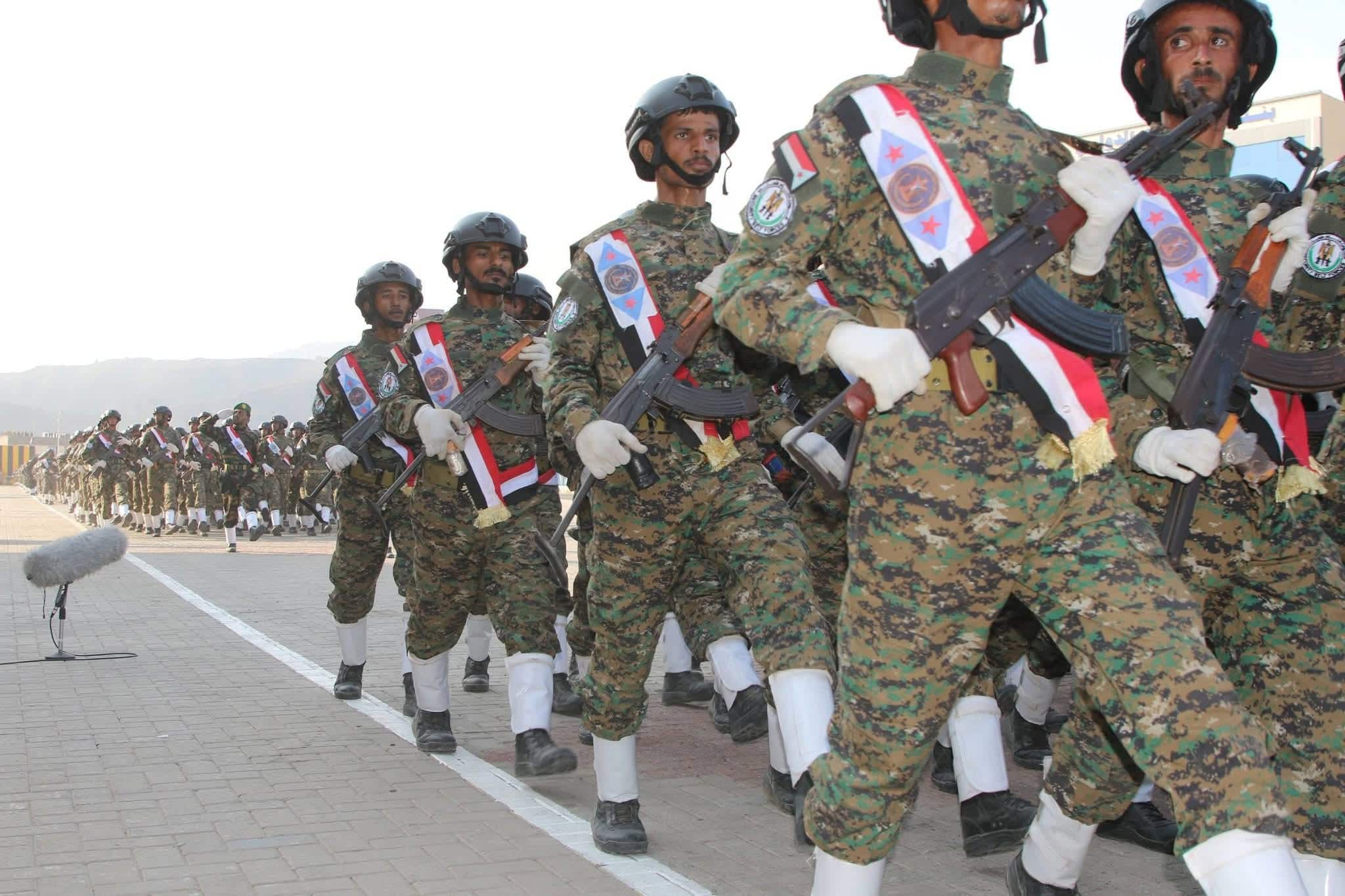
The participation of some Nation’s Shield Forces alongside the Giants Brigades is significant given the differences in the two formations’ institutional and political backgrounds. During the war, the Southern Giants Brigades maintained close support ties with the UAE, while the Nation’s Shield Forces were established with Saudi support in 2023 as a reserve force that is operationally subordinate to the Saudi-led Joint Forces Command and formally reports to the chairman of the Presidential Leadership Council. Cooperation between the two formations takes on added significance in light of the differences that emerged during the Hadramout crisis early this year and the subsequent realignment of military power in the South. It is also worth noting that both forces ultimately belong to South Yemen and share a Salafi religious background among their leadership.
On the ground, government forces announced on October 5 that the Southern Giants Brigades and the Nation’s Shield Forces had targeted Houthi positions in Dhubab District and around Bab al-Mandeb, reporting the recapture of Dhubab Military Airport, several strategic positions, and the disruption of some of the group’s supply lines. On October 6, operations extended to Al-Wazi’iyah District west of Taiz, where the Nation’s Shield Forces announced the launch of an offensive to retake Houthi-held positions. On October 7, the forces announced that, together with the Southern Giants Brigades, they had secured control of the strategic Kahboub front overlooking Bab al-Mandeb.
These moves point to the possibility of overcoming some of the effects of previous military divisions and unifying efforts against the Houthi threat, particularly given the strategic importance of the targeted areas. These areas provide a significant landward extension for securing the western coast and the routes leading to the Bab al-Mandeb Strait. The cooperation also suggests the potential to combine the military capabilities of different formations in coordinated operations, strengthening their ability to secure recaptured positions and protect supply lines.
Nevertheless, the Southern Giants Brigades and the Nation’s Shield Forces have cooperated in previous field operations, and Yemen’s military formations retain their own leadership structures and local interests. The significance of the latest developments therefore lies in their timing and the expanding scope of joint operations. Whether they mark the beginning of renewed Saudi–Emirati coordination will depend on the emergence of clearer understandings or mechanisms for managing the Yemen file in the coming period.
Fourth: Limits and Potential Paths for Restoring Saudi–Emirati Coordination
Despite the growing convergence of Saudi and Emirati security interests in confronting the Houthis, the prospect of restoring coordination remains tied to the political differences stemming from recent changes in South Yemen, particularly over the management of influence, the nature of local forces participating in government, and the future of the southern cause. These issues are particularly significant given the divergence between Riyadh’s approach of restructuring the political and security landscape under the umbrella of the government it supports and Abu Dhabi’s continued ties with southern forces that have their own political projects and an independent military presence.
This divergence has become more apparent in recent months as Saudi Arabia has supported a southern dialogue process and encouraged the formation of coordination councils in several South Yemeni governorates, alongside changes affecting the Southern Transitional Council’s position within the institutions of power. These moves have sparked disagreements over the framework governing the dialogue and the nature of political representation for the southern cause, as the Southern Transitional Council and other southern forces continue to uphold the right of southerners to determine their own political future. The issue is particularly sensitive given the military weight retained by southern formations, alongside continued disagreement over their role in power-sharing and negotiations. This makes reaching agreement on the future of the South a significant factor in the sustainability of any new regional understanding.
In light of these factors, the prospects for effective Saudi–Emirati coordination will depend on the two sides’ willingness to separate the requirements of the military confrontation from their political differences, as well as their ability to reach understandings on contentious issues, foremost among them the future of the south. Three main scenarios can be identified, each contingent on a set of conditions:
- Restoring Limited Security Coordination: This scenario would involve maintaining political contacts and facilitating field cooperation among Yemeni forces opposed to the Houthis, while leaving differences over the administration of the South and power-sharing arrangements unresolved. It would materialize if Riyadh and Abu Dhabi agreed to prioritize confronting the Houthi threat while avoiding the spillover of their political differences onto military fronts. This would allow them to restore a degree of coordination without returning to the previous coalition framework.
- Developing Broader Political and Security Understandings: This scenario envisages moving beyond military coordination toward reorganizing relations among local forces and reaching more stable security and political arrangements, including addressing disagreements over southern political representation. Its realization would depend on the two countries reaching understandings on the distribution of roles and influence, providing mutual guarantees to prevent a recurrence of the crisis that erupted early this year, and involving southern forces in arrangements concerning their political future.
- Failure to Restore Coordination and Continued Rivalry: This scenario involves the possible renewal of Saudi–Emirati disagreements over the management of influence in Yemen and the resulting impact on relations among local forces. It could materialize if military gains against the Houthis become a new arena for competition over control and the reshaping of the balance of power in the South. This could intensify political and security disputes among the parties concerned, once again weaken the cohesion of the anti-Houthi front and give the group an opportunity to exploit divisions and strengthen its military positions.
Accordingly, determining the direction Saudi–Emirati cooperation in Yemen will take requires monitoring whether coordination moves beyond field operations toward political and institutional arrangements. Continued military cooperation alone reflects converging security interests, while agreement on joint mechanisms for addressing disagreements over the South would provide a clearer indication of a sustainable restoration of coordination. Conversely, renewed competition among local forces would reveal that the factors behind the deterioration of relations between the two countries earlier this year remain unresolved.
Conclusion
The Houthi escalation appears to have brought Saudi Arabia and the UAE’s shared security interests back into focus, prompting a degree of rapprochement after a period of acute tension. However, the available indicators are not yet sufficient to suggest that the previous alliance is being rebuilt. The coming period is more likely to see coordination driven by security imperatives and constrained by political differences. The challenge is no longer simply whether Riyadh and Abu Dhabi can cooperate against the Houthis, but whether they can manage that cooperation without reproducing the rivalries that have weakened anti-Houthi forces in recent years.