مركز سوث24 للأخبار والدراسات
مركز سوث24 للأخبار والدراسات


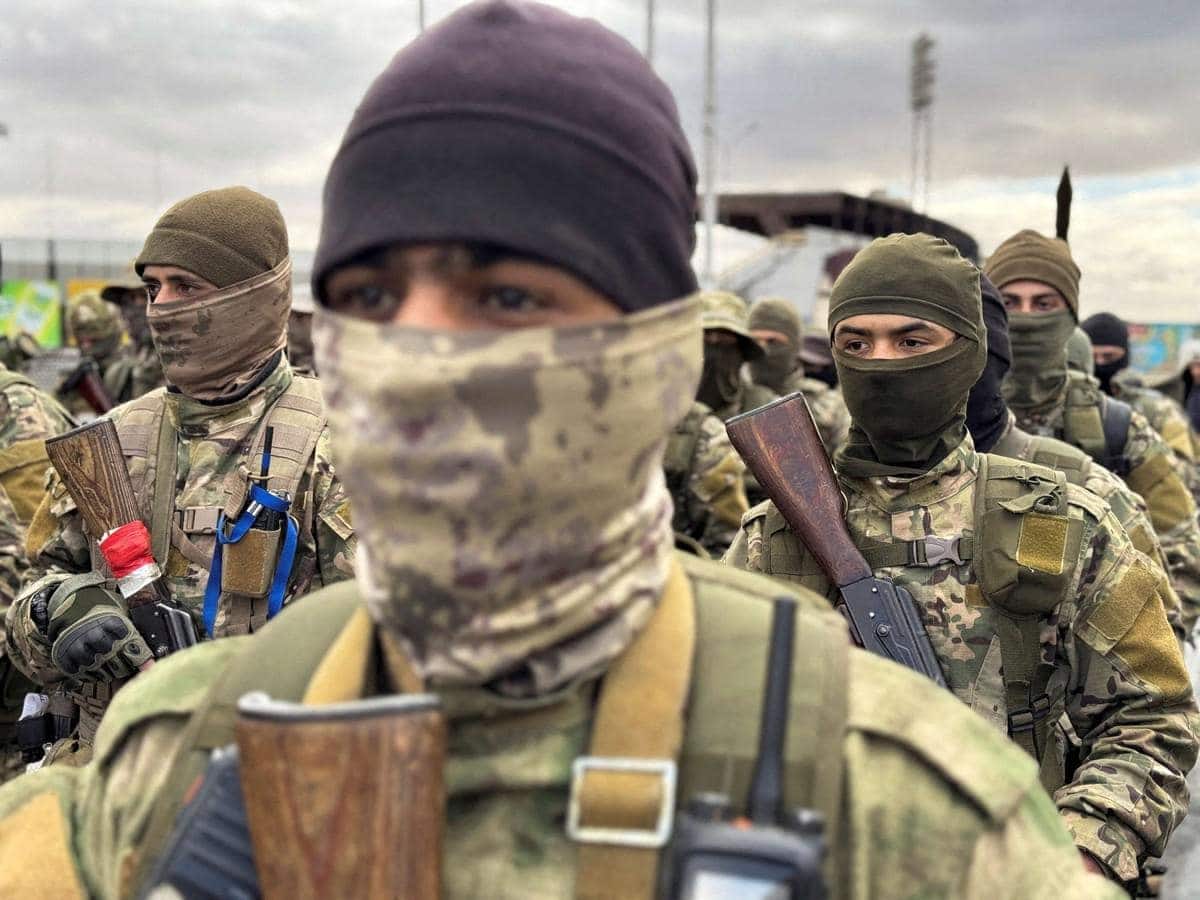
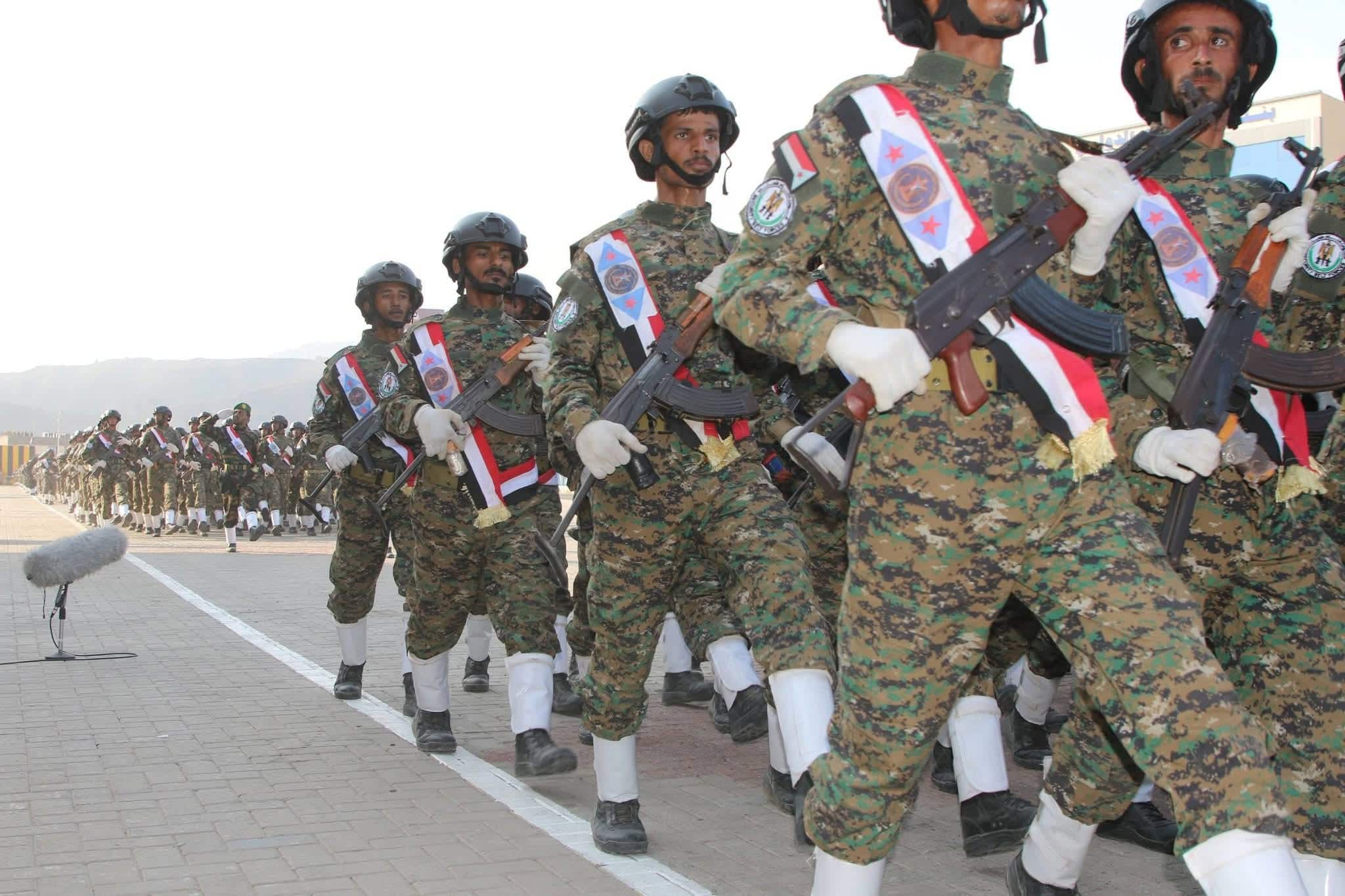
Members of the Khalid Brigade, affiliated with Hayat Tahrir al-Sham, take part in a military parade in Damascus, Syria, on December 27, 2024, following the ouster of Bashar al-Assad. Reuters/Ahmed Jadallah
آخر تحديث في: 15-10-2026 الساعة 12 مساءً بتوقيت عدن
Farida Ahmed (South24 Center)
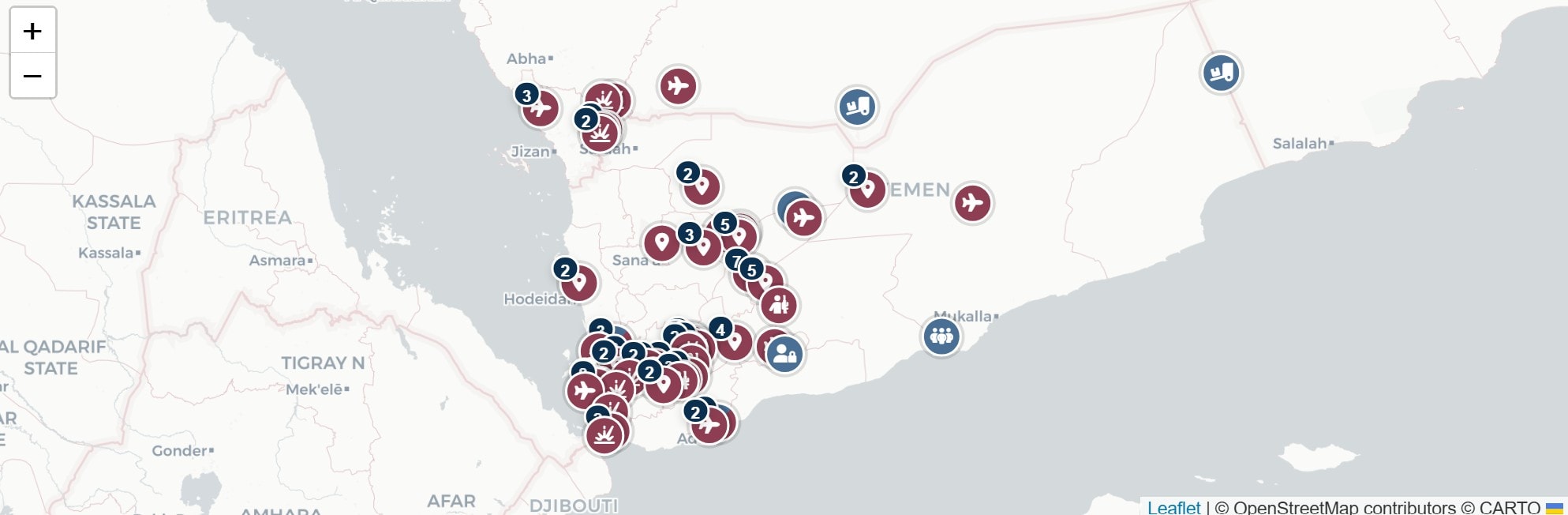
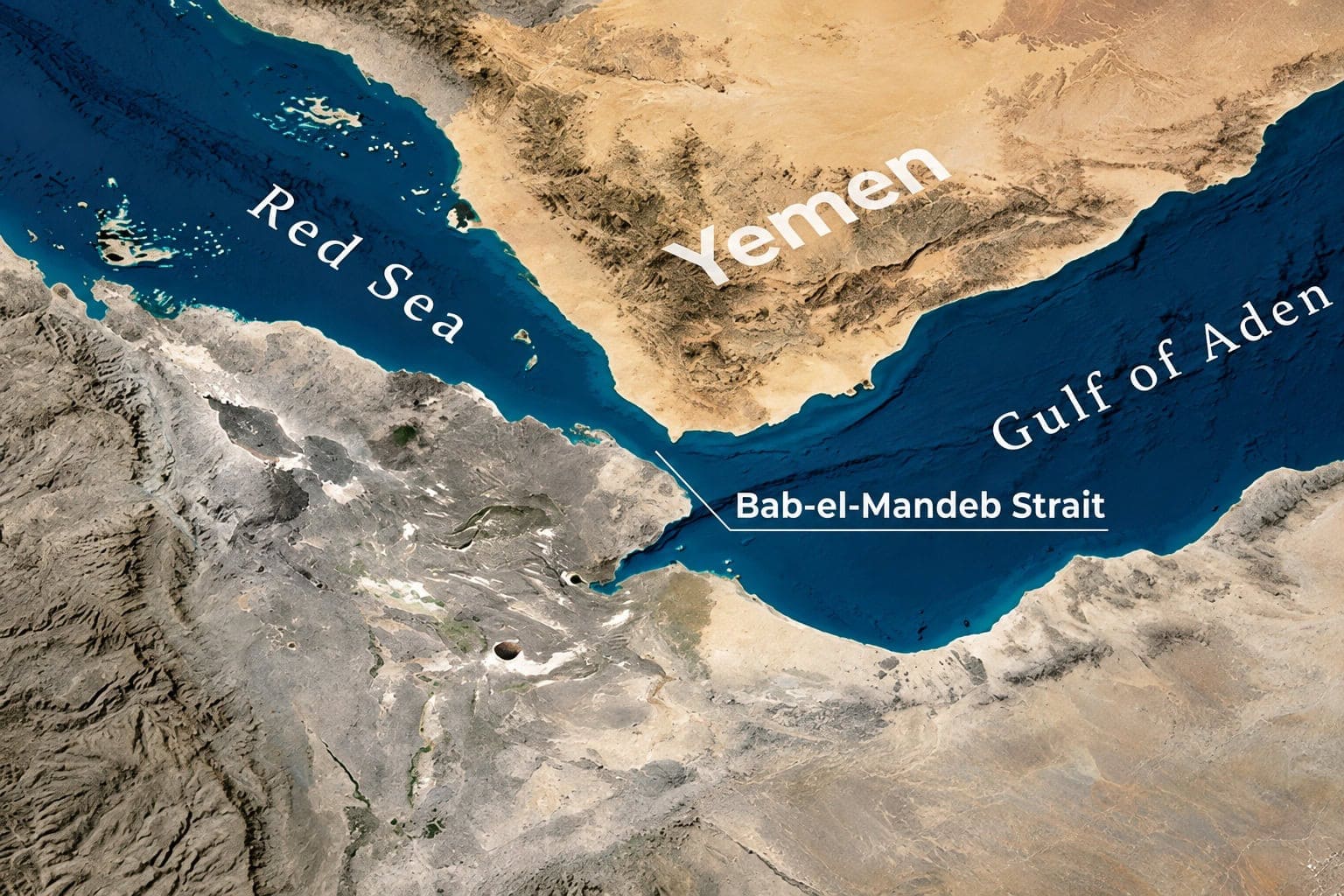
Military operations led by southern forces, foremost among them the Southern Giants Brigades, continue along the western coast and around the Bab al-Mandeb Strait with Saudi air support and the participation of the Nation’s Shield Forces. This participation takes on added significance amid the sudden withdrawal of forces belonging to the National Resistance, led by Brigadier General Tareq Saleh, from the area in mid-September. However, this momentum on the western front has not been reflected across other battlefronts. Government forces have not yet made significant military advances on other fronts, such as Marib and Al-Jawf. This disparity highlights clear differences in the level of activity and effectiveness across operational fronts and raises serious questions about the ability of anti-Houthi forces to manage simultaneous fronts and achieve breakthroughs along multiple axes at once.
This military disparity coincides with indications that Saudi Arabia is considering expanding the scope of its campaign and involving new forces. “Axios” reported, citing three US officials, that Riyadh and Damascus were holding talks on the possibility of sending Syrian forces to Yemen to participate in a counteroffensive against the Houthis. Although Syrian officials denied that any deployment of Syrian forces to Yemen was underway, they affirmed that any military cooperation with partner countries would take place only through official channels and existing bilateral frameworks.
This paper examines the potential risks of Syrian forces participating in the ongoing war in Yemen, foremost among them the possibility of introducing a sectarian or religious dimension into the conflict. Such participation could further complicate the Yemeni landscape and open the door to security risks, particularly in South Yemen, where sleeper cells belonging to “extremist” organizations that previously took part in the conflict in Syria could seize on this development as a pretext to reactivate their presence in Yemen. The move could also provide the Houthi group with additional tools to mobilize its supporters and portray the conflict as a sectarian confrontation rather than a military and political struggle aimed at restoring state institutions and retaking areas under the group’s control.
Riyadh’s Motives for Seeking External Forces
Indicators that Riyadh is seeking to expand the range of participants in the military operation raise questions about the motives behind this approach, which has yet to be officially announced. These motives can be attributed to several practical and political considerations. On the one hand, there is a need for additional ground forces capable of sustaining military momentum and consolidating gains on active fronts, particularly as the fighting expands and operations span multiple fronts. On the other hand, Saudi Arabia is keen to avoid directly committing its own ground forces to combat to avert the human and political costs this could entail, both domestically and internationally. This approach comes despite the fact that local Yemeni forces have the capabilities to open simultaneous fronts and manage multiple battles at once, provided they receive the necessary weapons and sufficient air support. This suggests that reliance on external actors is driven less by a lack of local military capacity than by other considerations.
The most prominent of these considerations may be Riyadh’s declining confidence in some of the local forces operating on other fronts, particularly in areas under the control of the internationally recognized government in Taiz, Marib and Al-Jawf. In previous phases of the conflict, army units repeatedly withdrew from these fronts in the face of Houthi advances, leading to the fall of extensive areas to the religious group. This has fueled Saudi fears that a similar pattern of withdrawal and surrender could recur if Riyadh relies solely on these forces.
The experience of Shabwa’s three western districts—Usaylan, Bayhan and Ain—is a notable example. They suffered a major military setback in September 2021, when they fell to the Houthis. At the time, the districts were dominated by leaders aligned with Yemen’s Islah Party, which is affiliated with the Muslim Brotherhood. They were not retaken until the Southern Giants Brigades intervened in early 2022. Some fronts in Marib also suffered major military setbacks in 2021, with forces coming under pressure and being encircled from the north toward Al-Jawf. Leaders of the internationally recognized government were accused of handing these areas over to the Houthis. Similar scenes of withdrawal from strategic positions now appear to be recurring on the Taiz fronts, amid comparable accusations that forces linked to the Islah Party are creating openings on the battlefield for the Houthi militia, particularly in what is known as the Tur Al-Baha military axis.
This consideration becomes even clearer given that southern forces have so far been leading ground operations on the western fronts. They have made tangible advances and retaken many areas recently captured by the Houthis, including extensive parts of the Bab al-Mandeb area and locations near Mayyun Island. Another factor is a direct security concern within Saudi Arabia, namely the growing risks posed by Houthi missile attacks on critical infrastructure with significant economic implications. These include the recent targeting of King Khalid International Airport in Riyadh, in an escalation considered the largest of its kind. This development could narrow Riyadh’s political options, making a return to a truce or de-escalation with the Houthi group an unacceptable option for the foreseeable future. This, in turn, could push Saudi Arabia toward a comprehensive military resolution across multiple fronts in Yemen.
How Could the Conflict in Yemen Be Reframed Along Sectarian Lines?
There is little doubt that the Houthi group will seek to exploit any participation by Syrian forces in the fighting, turning it into propaganda to mobilize populations in areas under its control under the banner of confronting “ISIS” and “extremist groups.” This rhetoric is nothing new for the group, which has for years labeled its opponents with such terms. However, the presence of forces arriving from Syria would, for the first time, give the Houthis tangible evidence that could easily be used to promote this narrative. This is particularly significant given that one of the units reportedly under consideration for deployment is the “84th Division,” which includes more than 20,000 foreign fighters among its ranks and has faced accusations of committing sectarian violence and abuses along the Syrian coast in March 2025 and in Suwayda in July of the same year.
This could lead to the conflict in Yemen being reframed in its entirety, shifting from a political and military battle to restore state institutions and end the Houthi coup to a sectarian and doctrinal confrontation. Such a shift would offer the Houthis gains on several levels. Domestically, it would allow them to expand their recruitment base and attract tribal and social groups that have so far remained neutral or hesitant to engage in the fighting, under the pretext of defending their land and faith against what they call a “foreign invasion.” Regionally, it would reinforce the narrative promoted by the religious group and its allies in the Iranian axis that the conflict in Yemen is an extension of a regional sectarian struggle, rather than a war to restore the state. It could also weaken the position of the internationally recognized government before domestic and international public opinion, as defending the legitimacy of the battle would become more difficult if it were viewed as a sectarian war fought by foreign forces with controversial jihadist ideological backgrounds.
Another, more significant factor in explaining this move relates to security arrangements in southern Syria. Since the fall of the Assad regime, Israel has called for southern Syria to be made a completely demilitarized zone. It views the deployment of units from the new Syrian army near the Golan Heights as a direct threat to its security, particularly given that much of this army was formed from jihadist factions. With Damascus publicly rejecting this demand, sending forces stationed in southern Syria to Yemen could offer a way to achieve in practice what Damascus rejects politically: removing military formations from southern Syria. This could be done under an acceptable Arab pretext, presented as support for Saudi Arabia rather than as a response to Israeli pressure.
The continued presence of foreign fighters with extremist backgrounds within the ranks of the new Syrian army could also pose a major burden on the authorities in Damascus, given their lack of national allegiance to the Syrian state and the international embarrassment their presence creates amid accusations that some of their units have committed abuses. Transferring them to a distant front such as Yemen could therefore appear to be a suitable solution for the Syrian government, allowing it to rid itself of this burden without entering into direct confrontation with them. Washington does not appear to oppose this approach in principle, according to suggestions made by US officials to Axios. Sending Syrian forces to fight alongside Saudi Arabia could also give Damascus an active regional role and present it as a reliable security partner to Riyadh and Washington, strengthening its negotiating position on other issues, particularly following the lifting of economic sanctions against Syria, a development that would allow Gulf investments to flow into reconstruction and other sectors.
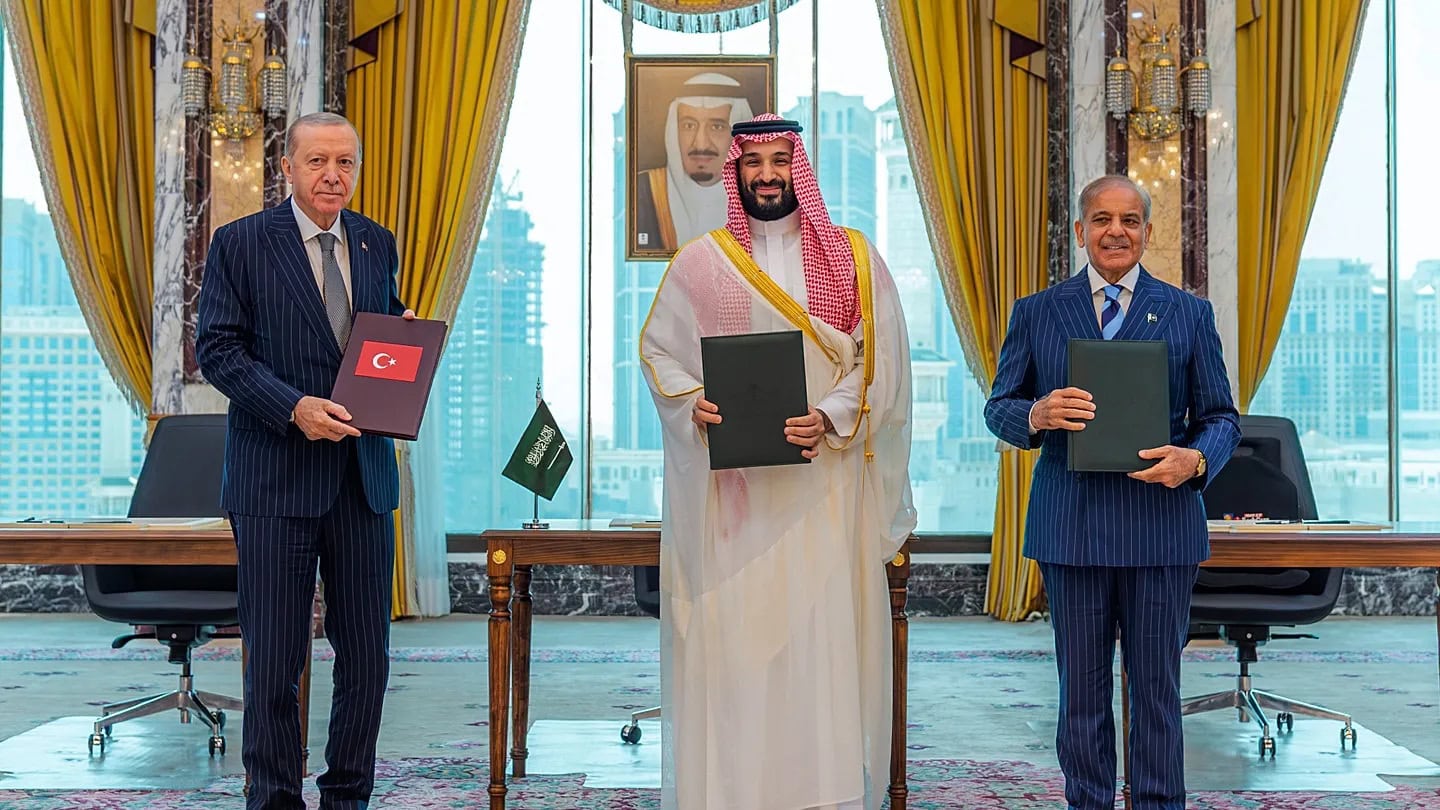
It is also important to note the absence of an official Turkish position on the proposal to send Syrian forces to Yemen. Earlier this year, Ankara opposed the idea of involving the Syrian army in a confrontation with Hezbollah in Lebanon, a proposal put forward by US President Donald Trump. Turkey argued that such a move would further inflame the situation and give Israel an additional pretext for its expansionist policies. This silence may be explained by considerations related to the “Mecca Agreement for Mutual Defense,” signed by Turkey, Saudi Arabia and Pakistan on August 7, 2026. Under the agreement, Ankara has become a security partner of Riyadh without deploying Turkish troops to conduct offensive operations against the Houthis, as its commitments are limited to defensive, technical and training support.
Implications for Yemen’s Domestic Landscape and the Region
The participation of foreign forces with jihadist ideological backgrounds in the battle to restore the Yemeni state, which the internationally recognized government is waging with Saudi support against the Houthi militia, carries long-term risks that may far outweigh any immediate military gains. The first of these risks concerns the fate of these forces after their mission ends. Their departure from Syria may be permanent, particularly as they include fighters of various nationalities who have no national ties to the Syrian state and whom Damascus, as noted earlier, has no desire to take back. Yemen could therefore find itself hosting a group of trained fighters with jihadist and extremist leanings, with no clear prospects for their future.
A second related risk is the possibility that these elements could join forces with sleeper cells belonging to Al-Qaeda in the Arabian Peninsula (AQAP) and ISIS in Yemen, potentially helping revive these organizations and reactivate their role after years of decline. This threat carries particular significance in the governorates of South Yemen, which have served as a major arena for the activities of these groups since the 1994 war, despite years of fighting against them by the Southern Armed Forces. These areas include Abyan, Shabwa and Hadramout. The groups’ ideological literature also draws on religious traditions that give the region symbolic significance, such as a narration attributed to the Prophet Muhammad stating: “Twelve thousand will emerge from Aden Abyan to support God and His Messenger.” These organizations have used this narration for decades in their mobilization rhetoric.
The repercussions would not be confined to Yemen’s domestic landscape. Over time, they could extend to neighboring countries and pose a direct threat to them, foremost among them Saudi Arabia and Oman. They could also threaten maritime security in the Gulf of Aden and the Bab al-Mandeb Strait and increase the likelihood of links developing between extremist groups on both sides of the Red Sea, in Yemen and the Horn of Africa. A move intended to bring the battle against the Houthis to a decisive conclusion could thus become a source of chronic regional threats on multiple fronts.
In conclusion, current indications suggest that the proposal to deploy Syrian forces in the war against the Houthis, which has not yet been officially announced, carries risks that far outweigh its immediate potential gains. The forces under consideration do not constitute a regular army in the traditional sense. Rather, they include foreign fighters with extremist jihadist backgrounds whom Damascus is seeking to rid itself of and who face accusations of committing abuses. The motives behind their deployment may also have more to do with Syria’s domestic calculations and regional security arrangements than with the priorities of the battle to restore the Yemeni state. Yemen, therefore, may ultimately bear the long-term costs of this move alone.
The internationally recognized Yemeni government has a direct responsibility to exercise extreme caution in dealing with any proposals of this kind, whether they are presented to it or imposed upon it. Accepting such a proposal would give the Houthi group a rare opportunity to reframe the conflict as a sectarian confrontation and undermine the political and legal foundations on which the government’s campaign to restore the state rests. The governorates of South Yemen would be the most vulnerable to the repercussions of this move. For years, the Southern Armed Forces have fought costly battles against AQAP and ISIS and succeeded in significantly reducing their presence. These gains could be undone if a group of foreign fighters were to become established in the region, with no country to return to and no clear prospects for their future.
It is therefore essential to reject the participation of any foreign jihadist forces in military operations inside Yemen and for the internationally recognized government and southern political and military forces to declare a clear position on the matter before the proposal becomes a fait accompli. Regional support should also be directed toward local forces in both the south and the north by strengthening their armaments and providing them with air support, rather than seeking external alternatives. At the same time, the long-term risks of such a move to the security of neighboring countries and maritime navigation in the Red Sea and the Bab al-Mandeb Strait must be made clear. Any rapid military gain achieved at the expense of these considerations could become a heavy burden, one that Yemen, and South Yemen in particular, would pay for many years to come.