مركز سوث24 للأخبار والدراسات
مركز سوث24 للأخبار والدراسات



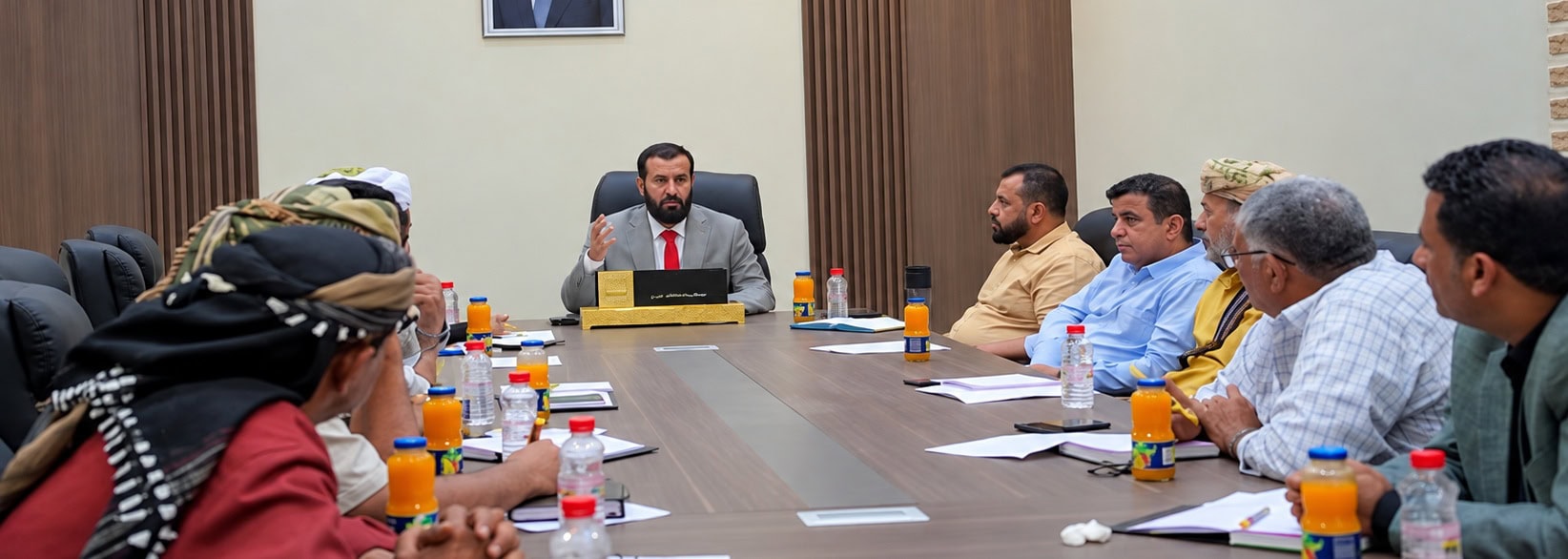
General Fayyadh bin Hamed Al-Ruwaili, Saudi Arabia's Chief of the General Staff and newly appointed Joint Forces Commander, during a military workshop in Riyadh, October 2025. (File Photo: Al Riyadh)
16-11-2026 الساعة 9 مساءً بتوقيت عدن
Aden (South24 Center)
Saudi King Salman bin Abdulaziz issued a royal decree on Monday (November 16, 2026), changing the leadership of the Joint Forces overseeing Saudi military operations in Yemen under the umbrella of the Arab Coalition. The move comes amid escalating Houthi attacks and shifting battlefield conditions along the western coast and Bab Al-Mandeb fronts, following the Southern Forces' announcement of a redeployment to reinforce front lines in South Yemen.
Under the royal decree published by the Saudi Press Agency (SPA), Chief of the General Staff General Fayyadh bin Hamed Al-Ruwaili was assigned the duties of Joint Forces Commander in addition to his current position, while the outgoing commander, Lieutenant General Fahd bin Hamad Al-Salman, was appointed an adviser to the Minister of Defense for Military Affairs.
The decision was issued following a recommendation submitted by Saudi Defense Minister Prince Khalid bin Salman. No official explanation was provided for the leadership change, nor was it directly linked to recent military developments in Yemen.
However, Reuters quoted Western diplomats as linking the decision to battlefield setbacks suffered by Saudi-backed Yemeni forces against the Houthis, particularly in areas near the Bab Al-Mandeb Strait, one of the world's most important maritime trade routes.
Al-Salman had assumed command of the Joint Forces in August 2024, while Al-Ruwaili has served as Saudi Arabia's Chief of the General Staff since 2018. Under the new decree, he will hold both positions simultaneously.
The Joint Forces are responsible for managing and coordinating military operations by the Saudi-led coalition in Yemen, which intervened militarily in March 2015 in support of the Yemeni government against the Houthis.
Developments in Bab Al-Mandeb and Lahj
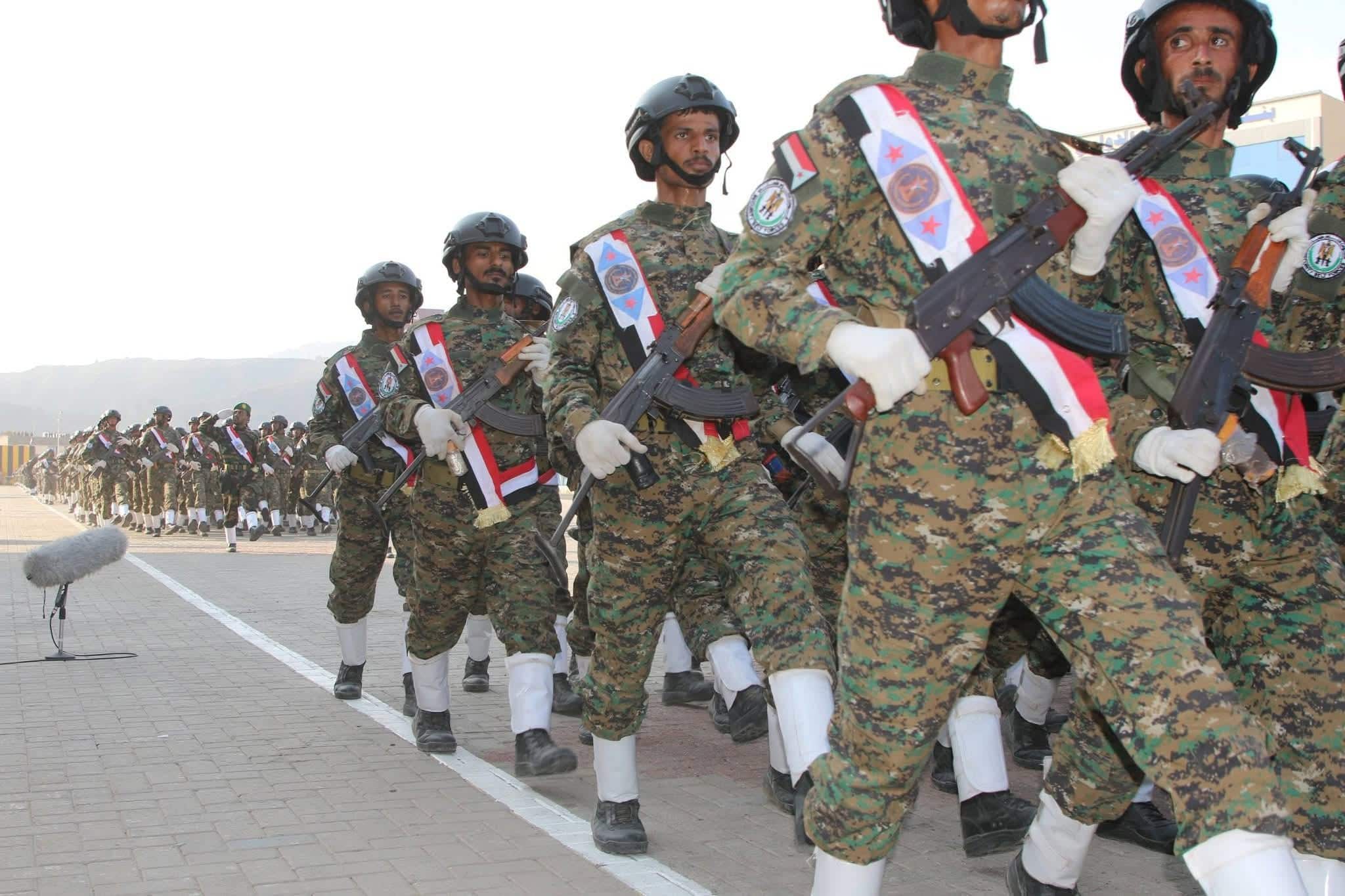
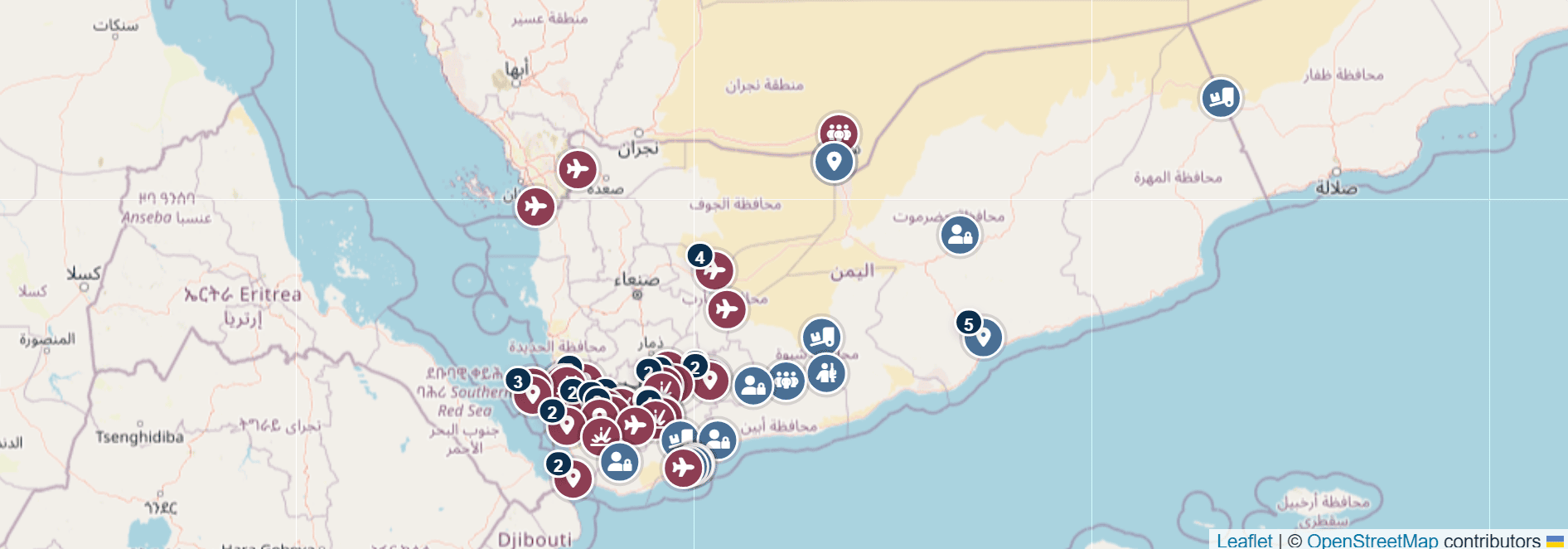
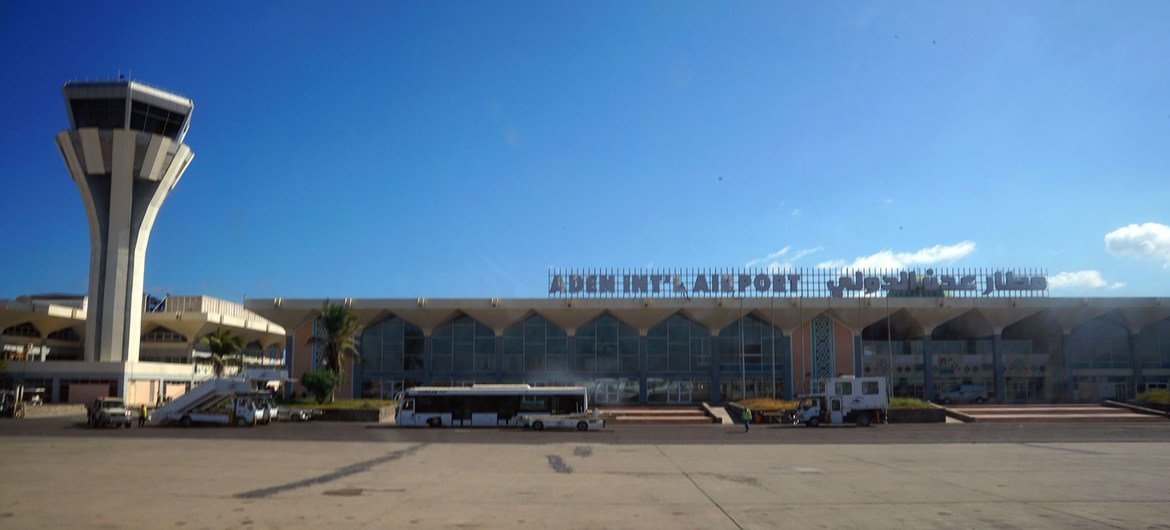
The leadership change came a day after the Southern Armed Forces announced the redeployment of their troops from Dhubab Military Airport and the Bab Al-Mandeb area in western Taiz Governorate. They said the move was intended to reorganize their military presence and reinforce defenses around Aden and the front lines along South Yemen's borders, while continuing operations against the Houthis.
In a statement issued on Sunday (November 15), the Southern Forces said the redeployment came amid Houthi military buildups and threats targeting Aden and neighboring governorates. They stressed that the move did not mean ending their participation in military operations or abandoning efforts to break the siege of Taiz.
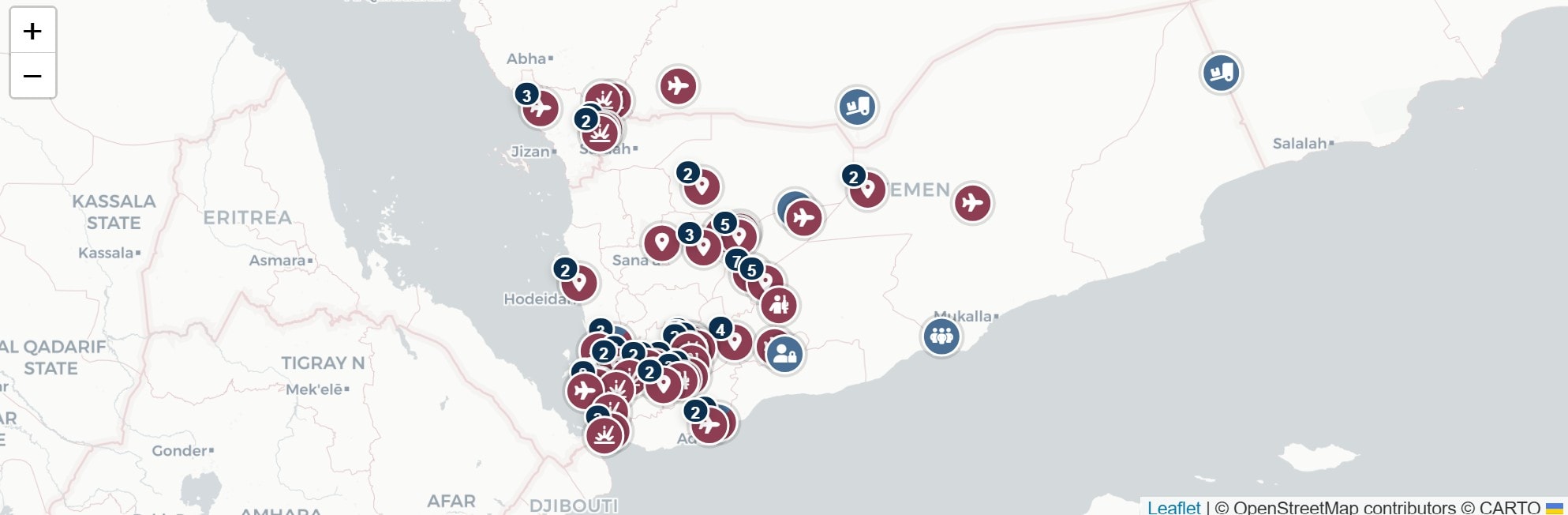
In the latest developments, Reuters reported on Monday, citing five Yemeni military sources, that the Houthis had advanced into the coastal Khor Umairah area west of Aden, bringing them within approximately 25 kilometers of government forces' positions in the Qawah area, according to the sources' estimates.
South24 Center could not independently verify the new lines of territorial control amid changing troop positions and continued clashes. These developments do not indicate that fighting has reached the city of Aden.
Western Coast Battles
The latest developments follow more than a month of fighting after Southern Forces, backed by Saudi fire support, launched a counteroffensive to recapture areas seized by the Houthis along the western coast in September.
On October 5, the Southern Giants Brigades announced that they had captured Dhubab Military Airport and cut the main road between Al-Mokha and Bab Al-Mandeb. The Houthis, however, maintained a presence in other parts of the area, including Dhubab town and Mayyun Island, located in the strategic strait.
Over the following weeks, repeated clashes erupted along the Kahbub, Al-Mudharaba, Ras Al-Ara, and Al-Maqatirah fronts, as opposing forces sought to control strategic highlands and supply routes.
These developments carry particular significance because of Bab Al-Mandeb's strategic location connecting the Red Sea to the Gulf of Aden, making it one of the world's major corridors for international trade and energy shipments.
The battlefield shifts have also coincided with escalating Houthi attacks on military positions and civilian areas in Lahj and Aden.
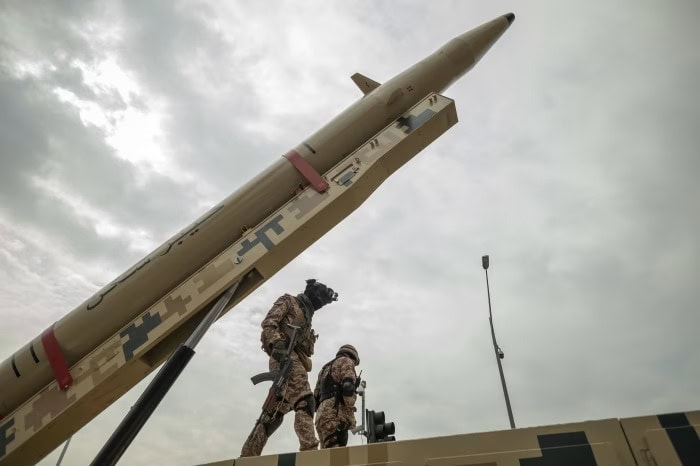
A military source told South24 Center on Monday (November 16) that the death toll from Sunday's Houthi missile attack on a Southern Forces security checkpoint in the Khor Umairah area of Lahj had risen to 16 civilian travelers, alongside two soldiers killed and 18 members of the National Security Forces wounded.
The source said the missiles struck the checkpoint as vehicles carrying travelers were passing through on their way to Aden, also damaging several cars.
The attack followed ballistic missile strikes on the Khraz area in Al-Mudharaba and Ras Al-Ara District on Thursday (November 12), amid reports of casualties near the refugee camp.
The United Nations High Commissioner for Refugees (UNHCR) warned that approximately 9,600 refugees faced growing risks as clashes approached Khraz Refugee Camp, reporting the displacement of hundreds of families and difficulties in delivering humanitarian assistance.