SOUTH24 CENTER FOR NEWS & STUDIES
SOUTH24 CENTER FOR NEWS & STUDIES


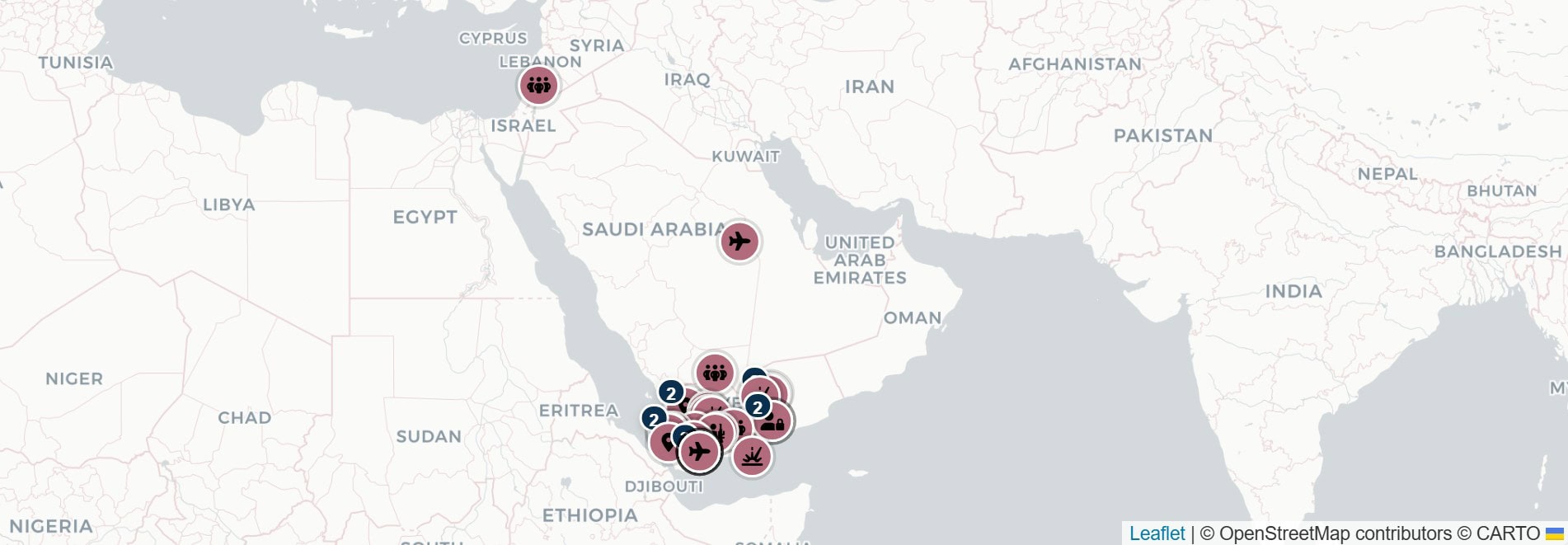
Interactive Map – By South24 Center © OpenStreetMap
Last updated on: 12-06-2026 at 8 PM Aden Time

Aden (South24)
The capital Aden and other governorates in South Yemen witnessed an escalating wave of security and military incidents between May 30 and June 12. The most notable developments included casualties during popular protests over the deterioration of electricity services, the killing of two Syrian doctors and two soldiers in a random shooting incident in Aden, and the death of 10 soldiers and injury of nine others in an ammunition depot explosion inside a Southern Giants Brigades camp.
The deadliest incident took place on Thursday, when a weapons depot exploded inside a Southern Giants Brigades camp in the Al-Mamdara area, northeast of Aden. The blast killed 10 soldiers and injured nine others, according to a military source who told South24 Center, citing an initial toll. Security sources said the incident was caused by a fire resulting from an electrical short circuit, while local sources reported that a drone had been seen flying over the area before the explosion. No final statement has yet been issued determining the cause of the blast.
In another incident that shook the city, Aden Police announced on Friday that a soldier and two Syrian doctors were killed, and four others injured, after a member of the guard unit tasked with securing the Aden Governor’s house opened fire in the Al-Durain area. According to the police statement, the gunman fired randomly around the house before security forces were able to kill him.
Following the incident, activists circulated previous posts attributed to Islah Party activists that carried an inciting tone against Syrian doctor Samer Hassan, who was killed in the shooting, accusing him of loyalty to former Syrian regime President Bashar Al-Assad. The posts sparked public anger and questions over whether the killing of the two doctors had been orchestrated by extremist parties.
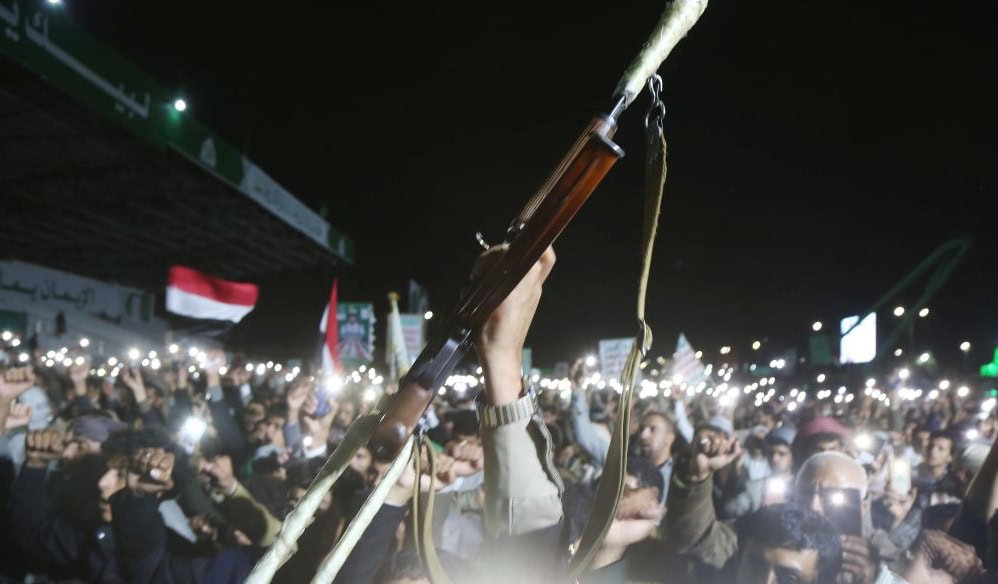
These developments coincided with escalating popular protests in Aden and Hadramout over the continued deterioration of electricity services and prolonged power outages. In Aden, sources reported that a protester died after being wounded during demonstrations in Dar Saad district. Circulated footage also showed security forces opening fire and violently assaulting young men while dispersing protesters in Crater, amid a campaign of arrests that targeted more than eight people before they were later released.
The districts of Crater, Al-Mualla, and Al-Mansoura also witnessed protests, roadblocks, and burning tires. Meanwhile, Aden’s Security Committee warned against attempts to push the protests away from their peaceful nature or damage public and private property, while at the same time stressing that it understands residents’ suffering and the legitimacy of their service-related demands.
In Wadi Hadramout, a civilian was killed and another injured by security forces’ gunfire in Seiyun during the dispersal of protests against the deterioration of services. The city later witnessed civil disobedience in protest against the electricity crisis. The protests also spread to Al-Mukalla and Tarim, where demonstrators blocked main roads and set tires on fire in rejection of the continued collapse of services.
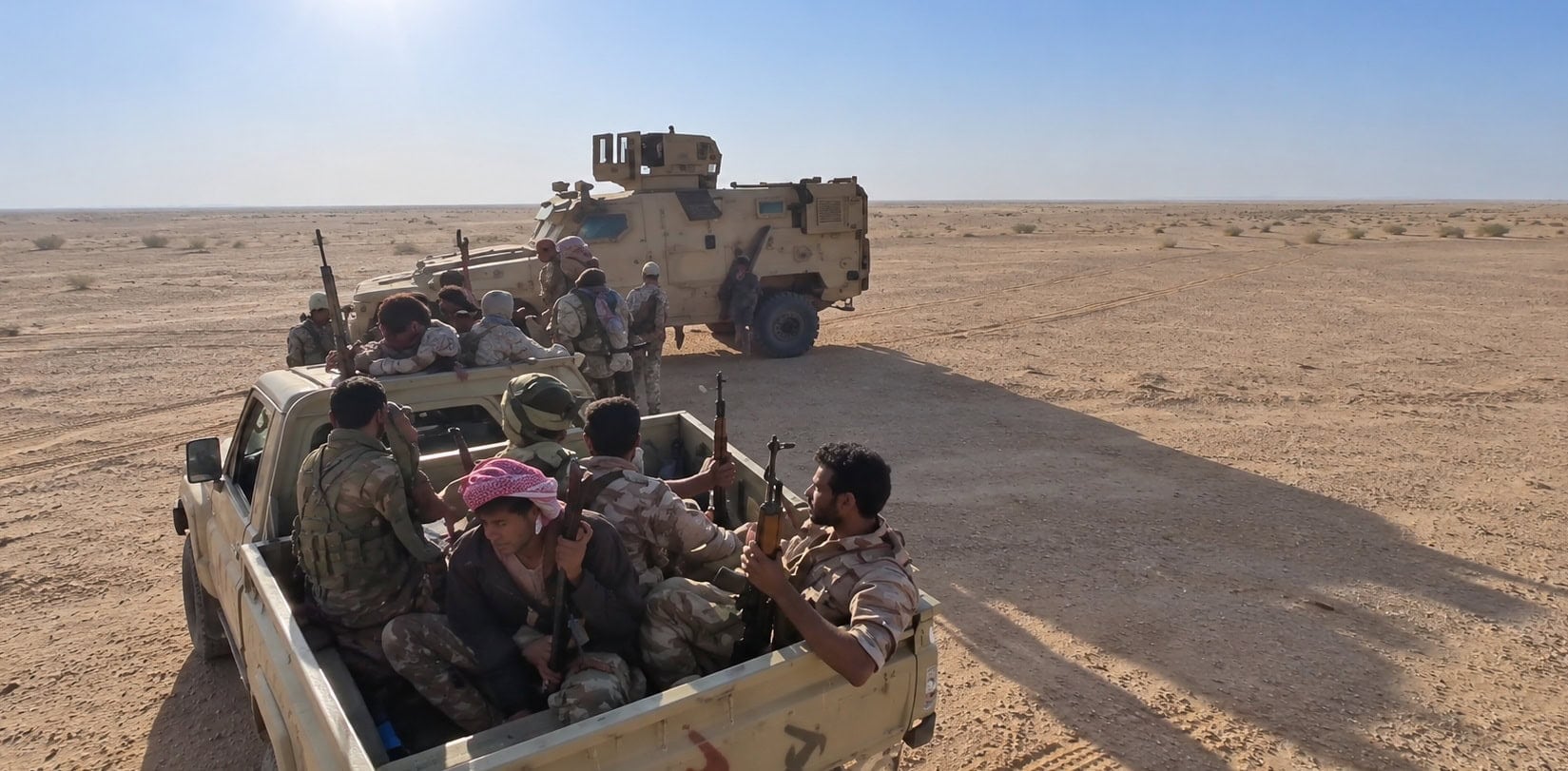
On the military front, several attacks were recorded across different fronts during the same period. These included the killing of Yahya Wahish, commander of the First Division of the National Resistance Forces, along with one of his escorts, in an improvised explosive device blast in Al-Khawkhah, south of Hodeidah. Two Shabwa Defense Forces soldiers were also wounded in a Houthi attack in Ain district, while three Shabwa Defense Forces soldiers were killed and two others injured in a Houthi drone attack that targeted a military position on the Harib front in Marib Governorate.
Other security developments included the seizure of quantities of narcotics along the Hadramout coast, separate shooting incidents, military movements, and clashes in Hodeidah, Al-Dhalea, and Abyan. These coincided with continued tensions linked to Houthi escalation in the Red Sea and the group’s announced positions regarding Israeli maritime navigation and Iran.
In a related context, Southern Transitional Council leader Amr Al-Bidh said during an event in Washington that the Saudi military campaign against southern forces had contributed to strengthening the Houthis and terrorist organizations. He pointed to reports indicating a rise in the activity of those groups in Shabwa and Hadramout. His remarks reflect part of the political and security debate accompanying field developments in South Yemen, at a time of growing service and security challenges.
The two-week toll reveals a clear overlap between rising popular anger over the collapse of services, particularly electricity, and a fragile security and political situation in Aden and Hadramout. The deadliest incidents came as living pressures on residents increased and the scope of protests widened across more than one city.
Browse the details of South24 Center’s interactive map:
Previous article