SOUTH24 CENTER FOR NEWS & STUDIES
SOUTH24 CENTER FOR NEWS & STUDIES


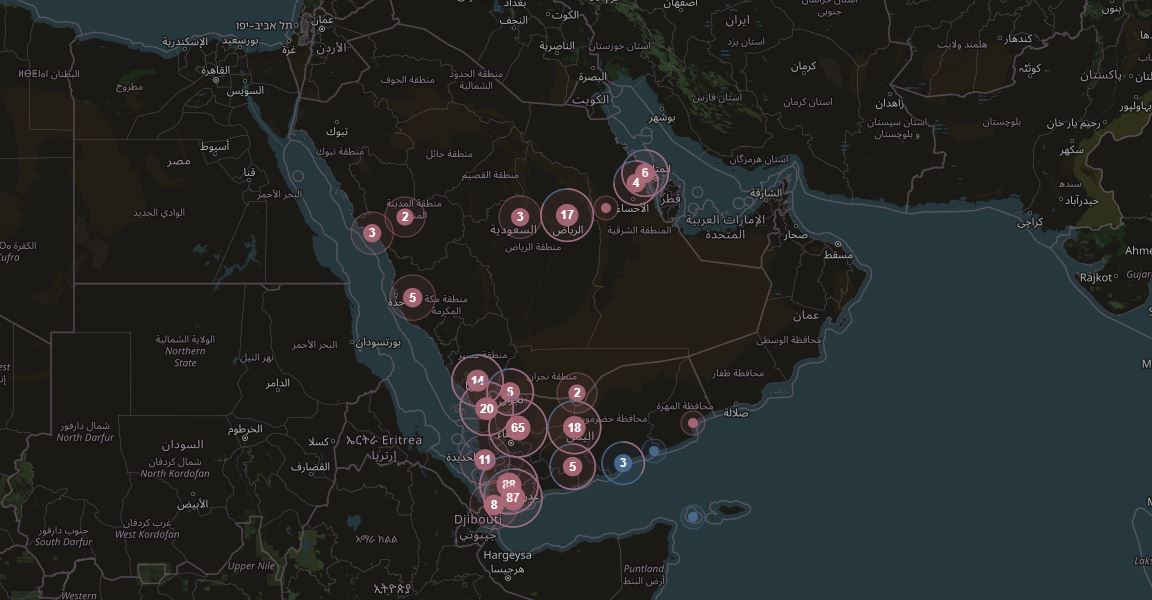
Military and security incidents recorded during the first half of November 2026. (Source: South24 Center; Map © OpenStreetMap)
Last updated on: 13-11-2026 at 5 PM Aden Time

Aden (South24 Center)
Yemen witnessed a major escalation in military and security activity during the first 12 days of November, extending from the battlefronts in Lahj, Taiz, AlDhalea, and Al-Jawf to cities and vital facilities. Reciprocal missile and drone attacks, alongside airstrikes, caused hundreds of casualties, most of them civilians, as the confrontation intensified to include economic targets inside Saudi Arabia.
According to data from South24 Center for News and Studies' Interactive Map for Military and Security Monitoring, the center documented 302 records of military and security incidents and developments between November 1 and 12, 2026, with recorded casualty figures totaling 197 killed and 412 wounded.
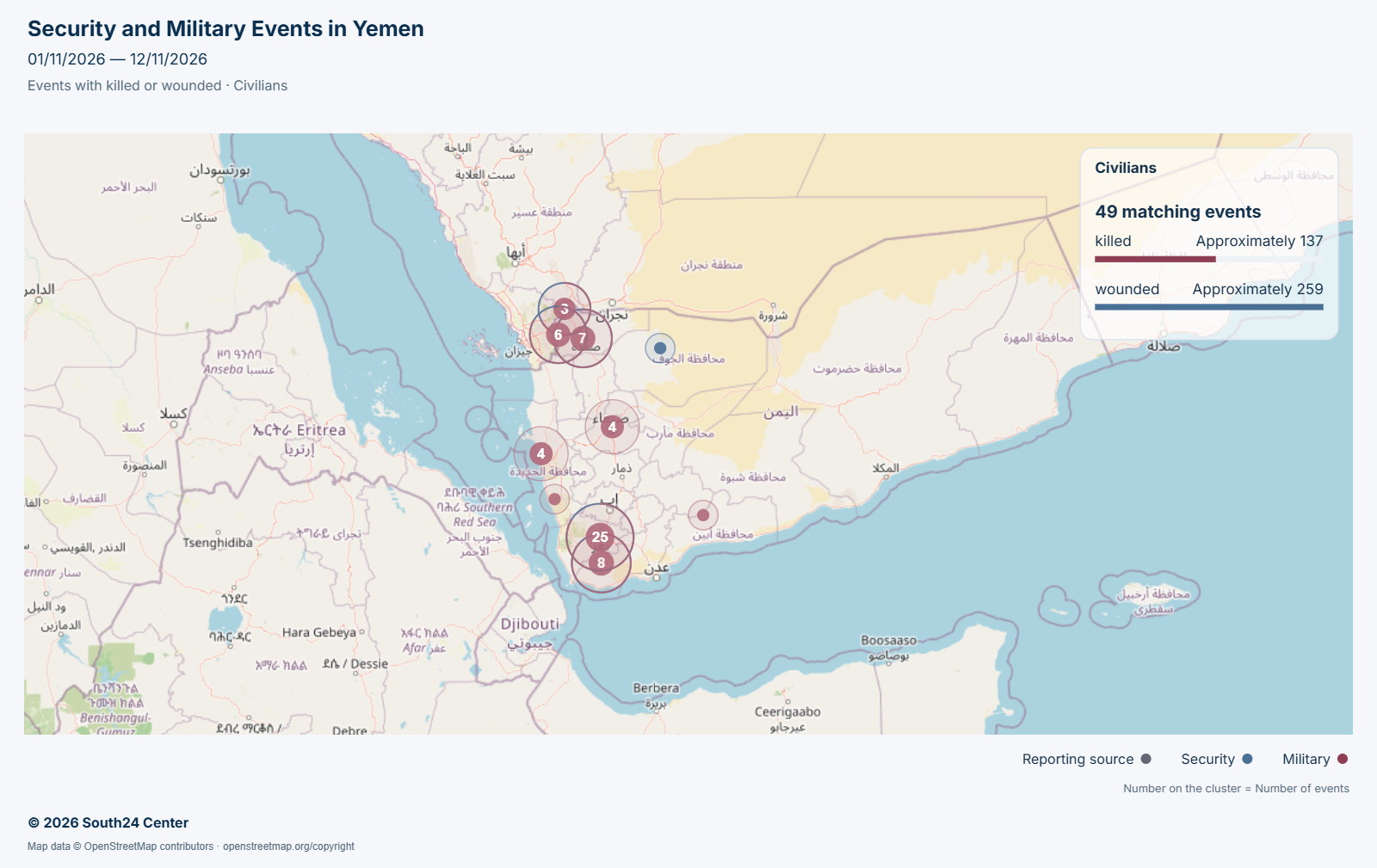
Civilians bore the brunt of the violence, with 137 killed and 259 wounded, accounting for approximately 70% of the fatalities and 63% of the injuries included in the figures. The remaining casualties were distributed among Southern Forces and their allies, government-aligned forces and their allies, and the Houthis.
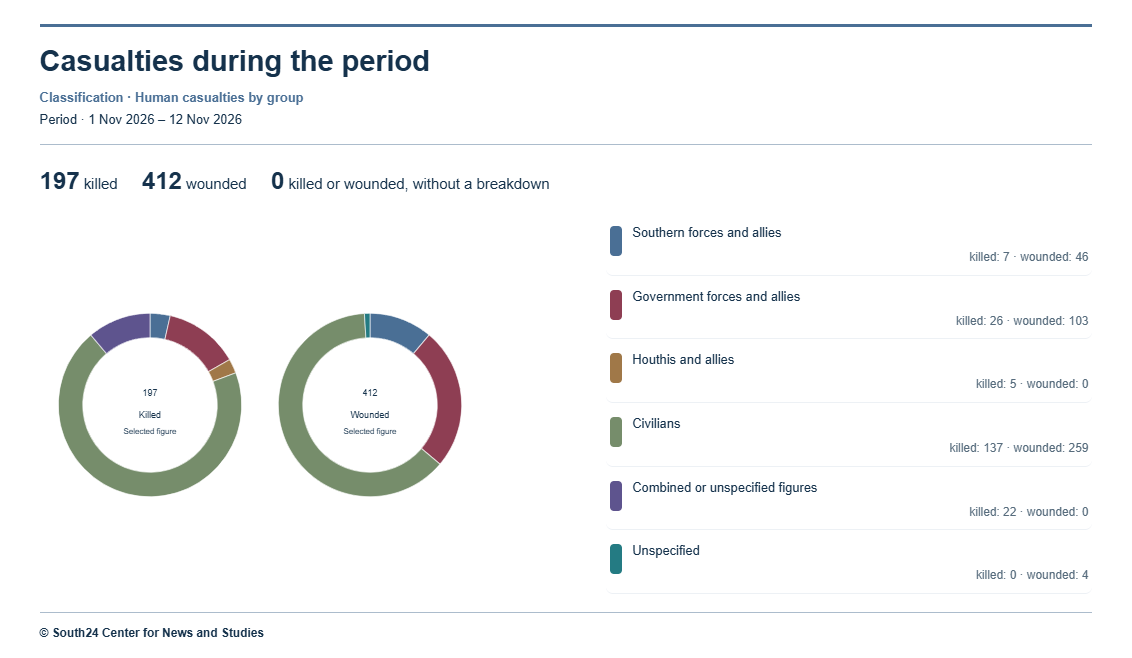
The figures reflect the widening scope of military operations and growing risks to civilians, as attacks have extended beyond the front lines to markets, homes, healthcare facilities, and airports, alongside continued ground fighting across multiple fronts.
Intense Fighting in Taiz and Lahj
Taiz Governorate recorded the highest number of documented incidents among Yemen's governorates, with 67 records, followed by Lahj with 49 and Saada with 23. Fighting remained concentrated around strategic highlands and supply routes connecting inland battlefronts to the western coast and Bab Al-Mandeb.
In South Yemen, the Al-Mudharaba, Ras Al-Ara, Al-Maqatirah, and Kahbub fronts witnessed sustained clashes between the Houthis, Southern Forces, Nation's Shield Forces (Der' Al-Watan), and government-aligned formations. Some positions changed hands during the fighting, while airstrikes targeted military movements and fortifications.
The Bab Al-Mandeb axis emerged as one of the most active battlefronts, with repeated attempts to control strategic highlands and disrupt supply lines. On November 9, sources told South24 Center that fighting was continuing along the Al-Muhawala and Al-Aghbirah fronts, while the Nation's Shield Forces announced counteroffensives and the recapture of positions from the Houthis.
Clashes spread to other positions in Al-Mudharaba and Ras Al-Ara over the following days, involving Southern Forces and fighters from the Al-Subaiha tribes, as additional military reinforcements arrived in the area.
On November 10, two Houthi ballistic missiles struck Al-Mudharaba District in Lahj. One targeted the district police headquarters, while the other struck the Khor Umairah area, according to South24 Center sources.
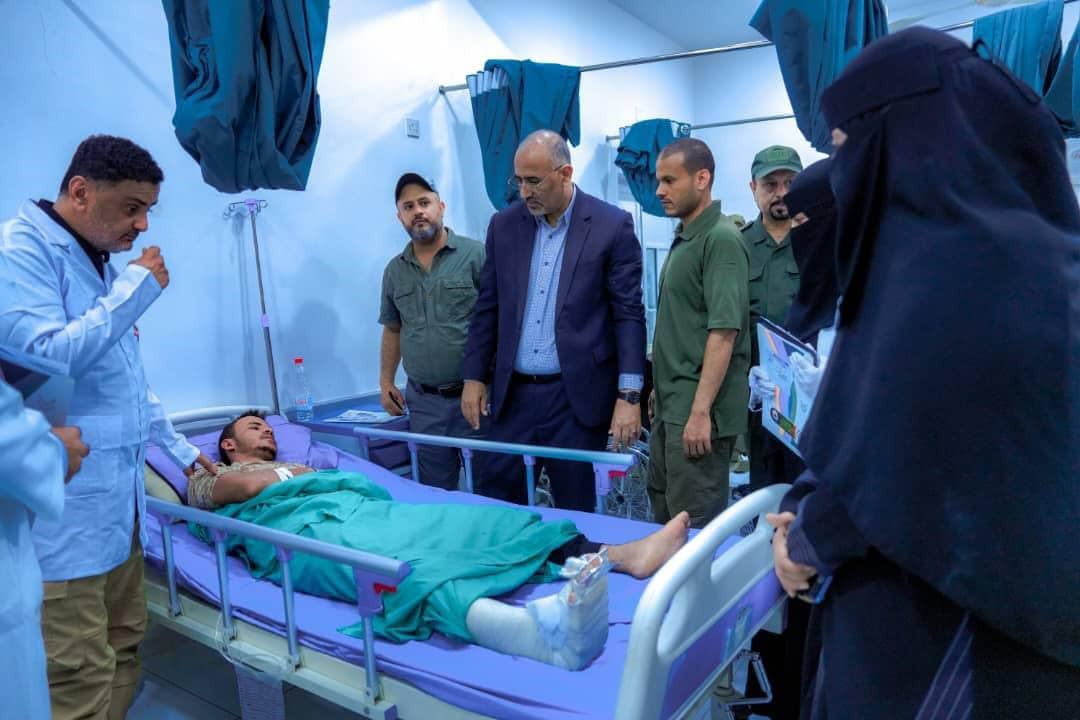
In AlDhalea, the governorate witnessed one of the deadliest attacks during the period when Houthi ballistic missiles struck a recruit training center near Al-Alla Camp on November 4, killing 13 people and wounding more than 65 others, according to a medical source who spoke to South24 Center.
The interactive map's data showed that South Yemen recorded 43 killed and 157 wounded during the period, including personnel from Southern Forces and government-aligned forces, as well as civilians.
Meanwhile, clashes erupted in Marib and Al-Jawf, where government-aligned forces announced that they had repelled Houthi attacks, carried out offensive operations, and recaptured positions. The Taiz fronts also witnessed clashes and exchanges of fire in Al-Misrakh, Al-Aqrud, and Sabir Al-Mawadim.
Civilians Caught in the Escalation
Casualties were not limited to combatants, as civilian areas witnessed a series of deadly attacks, some of which remain the subject of conflicting accusations over responsibility.
On November 1, a Houthi ballistic missile struck the Al-Suqya Health Center in Al-Mudharaba and Ras Al-Ara District in Lahj, killing five people and wounding 15 others, including healthcare workers, according to Yemen's Ministry of Public Health and Population.
In Taiz, government authorities reported that 14 civilians were killed and 25 others wounded on November 2 when a ballistic missile landed on Al-Najd Market in Al-Makhaaf village. The authorities said the missile had fallen following a failed Houthi launch attempt.
Four days later, another attack struck the crowded Al-Hadara Market in Al-Waziyah District. The Houthi-affiliated Ministry of Health reported an updated toll of 30 killed and 13 wounded.
The Houthis accused Saudi aircraft of carrying out the attack, while local authorities in Taiz blamed the group and denied that airstrikes had taken place in the area.
On November 7, another deadly attack struck Al-Shariyah village in Bani Hashish District, east of Sanaa. The Houthi-affiliated Ministry of Health reported that the death toll had risen to 44, with 40 wounded, including 21 children among those killed. The ministry accused Saudi Arabia of carrying out the strikes.
Responsibility for the latter two attacks could not be independently verified amid conflicting accounts from parties to the conflict.
The interactive map also recorded sniper attacks, artillery shelling, and landmine explosions affecting civilians in Taiz, Al-Jawf, and other areas, alongside strikes targeting homes, farms, and public facilities in Saada, Hodeidah, and Sanaa.
Attacks Extend to Aden and Saudi Arabia
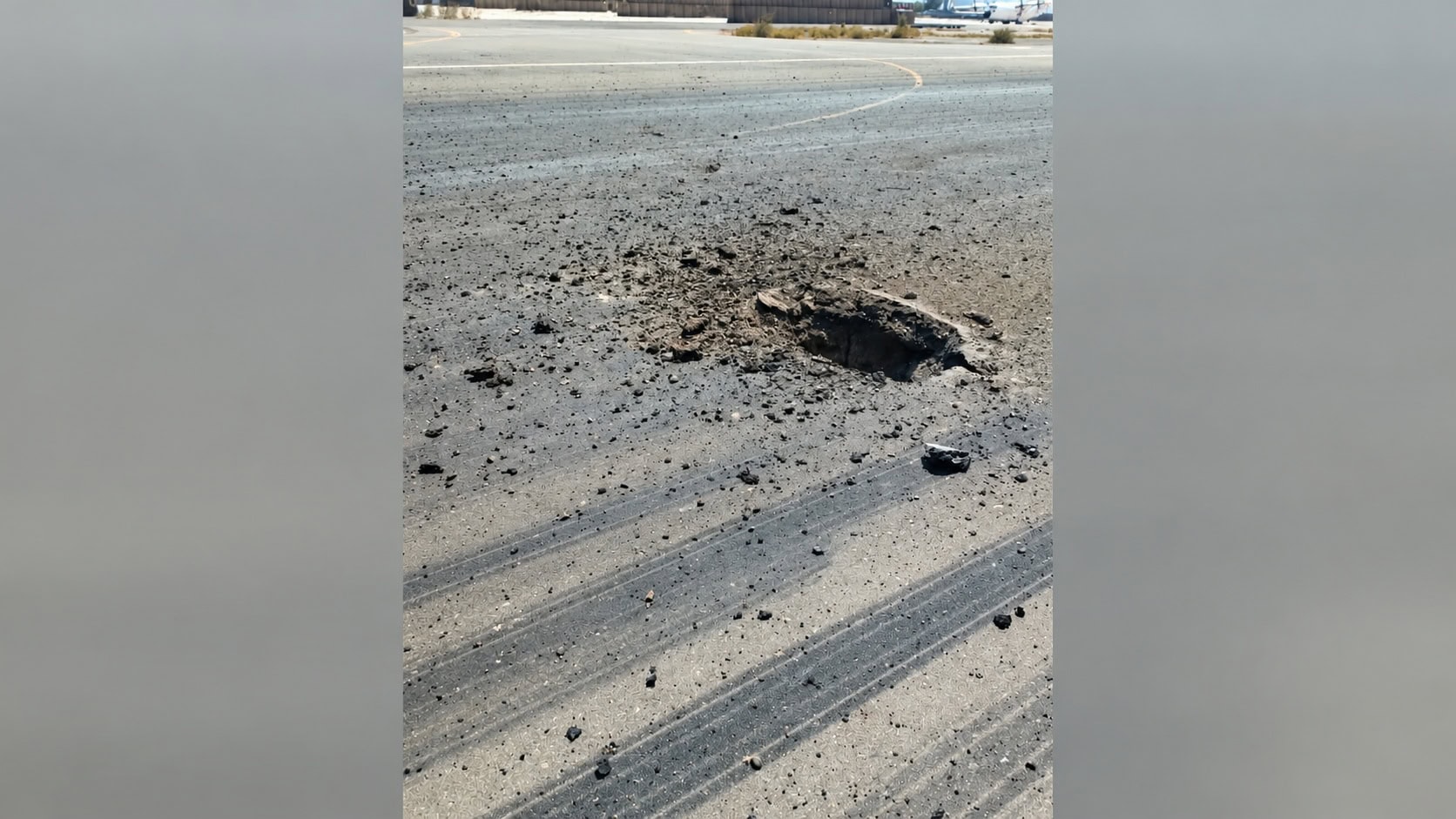
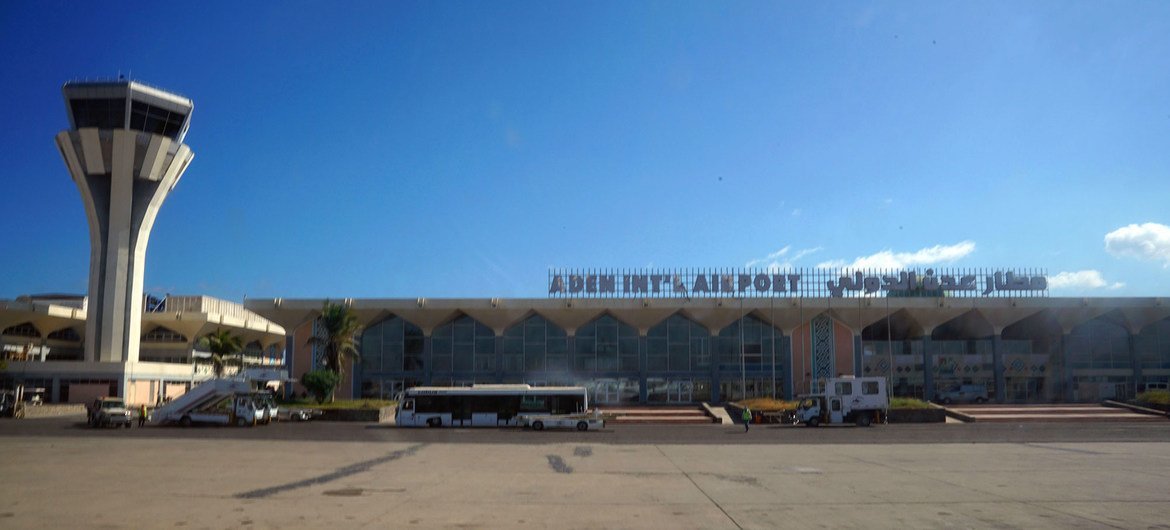
Aden witnessed renewed Houthi missile attacks following a series of strikes targeting its international airport and government and security facilities during October.
On November 11, a source told South24 Center that the Houthis had launched two ballistic missiles toward Al-Buraiqa District in western Aden. Turkey's Anadolu Agency quoted a Yemeni government source as saying the missiles landed inside a military camp, while the Houthis claimed to have targeted a Saudi command headquarters and operations room. The results of the attack were not independently confirmed.
The escalation also extended into Saudi Arabia, where the interactive map recorded 39 incidents and developments during the period, including missile and drone attacks, air interceptions, and security alerts.
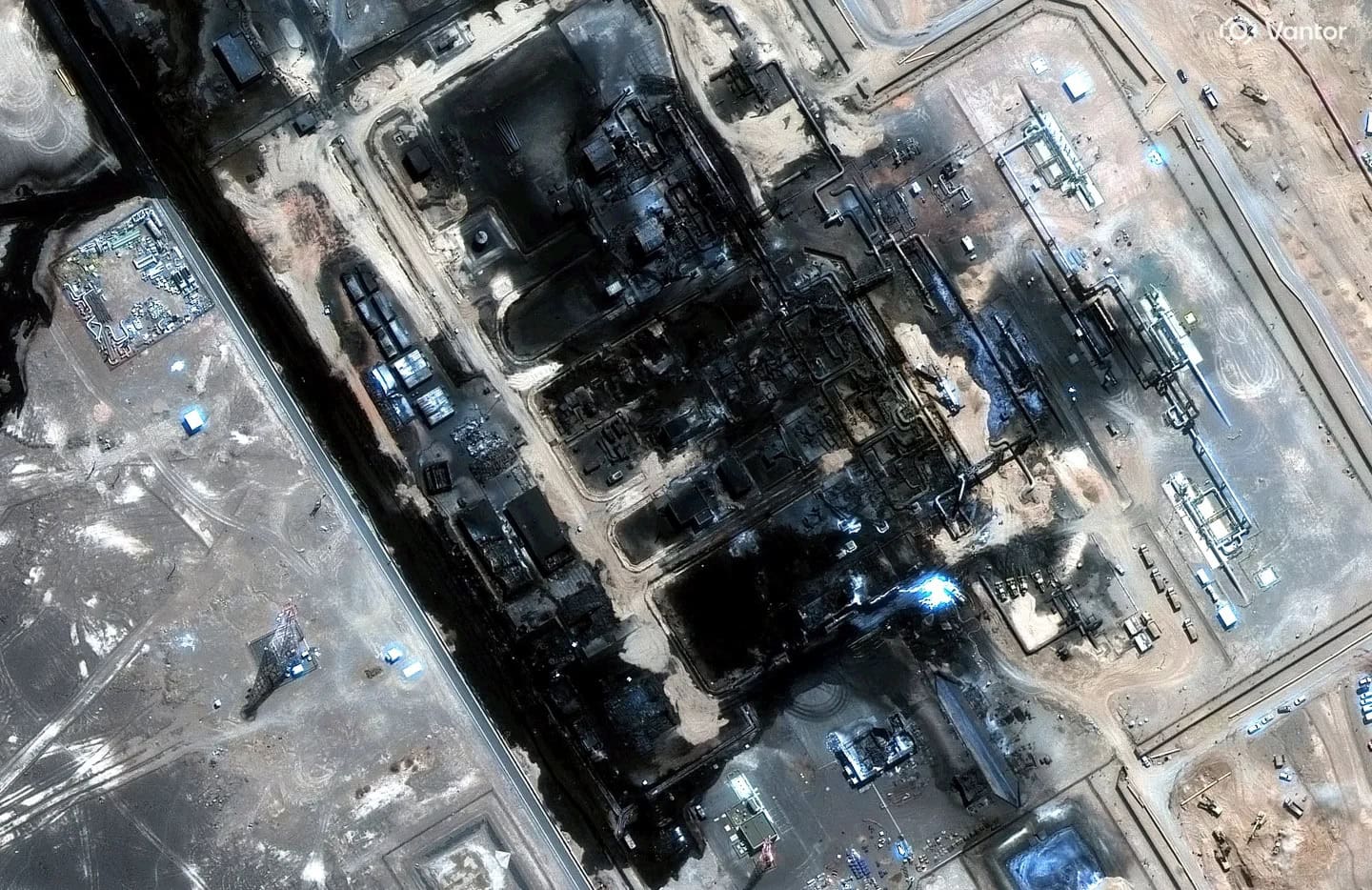
On November 8, a building belonging to Saudi Aramco in Riyadh's King Abdullah Financial District sustained limited damage from falling debris, with no injuries reported, according to the Saudi Ministry of Energy. The incident coincided with missile attacks the Houthis claimed to have carried out against targets inside the Kingdom.
Other developments included the interception of missiles and drones heading toward Riyadh, Najran, Makkah, and the Eastern Province, amid continued exchanges of threats and strikes between the two sides.
Security Challenges and Reported Military Losses
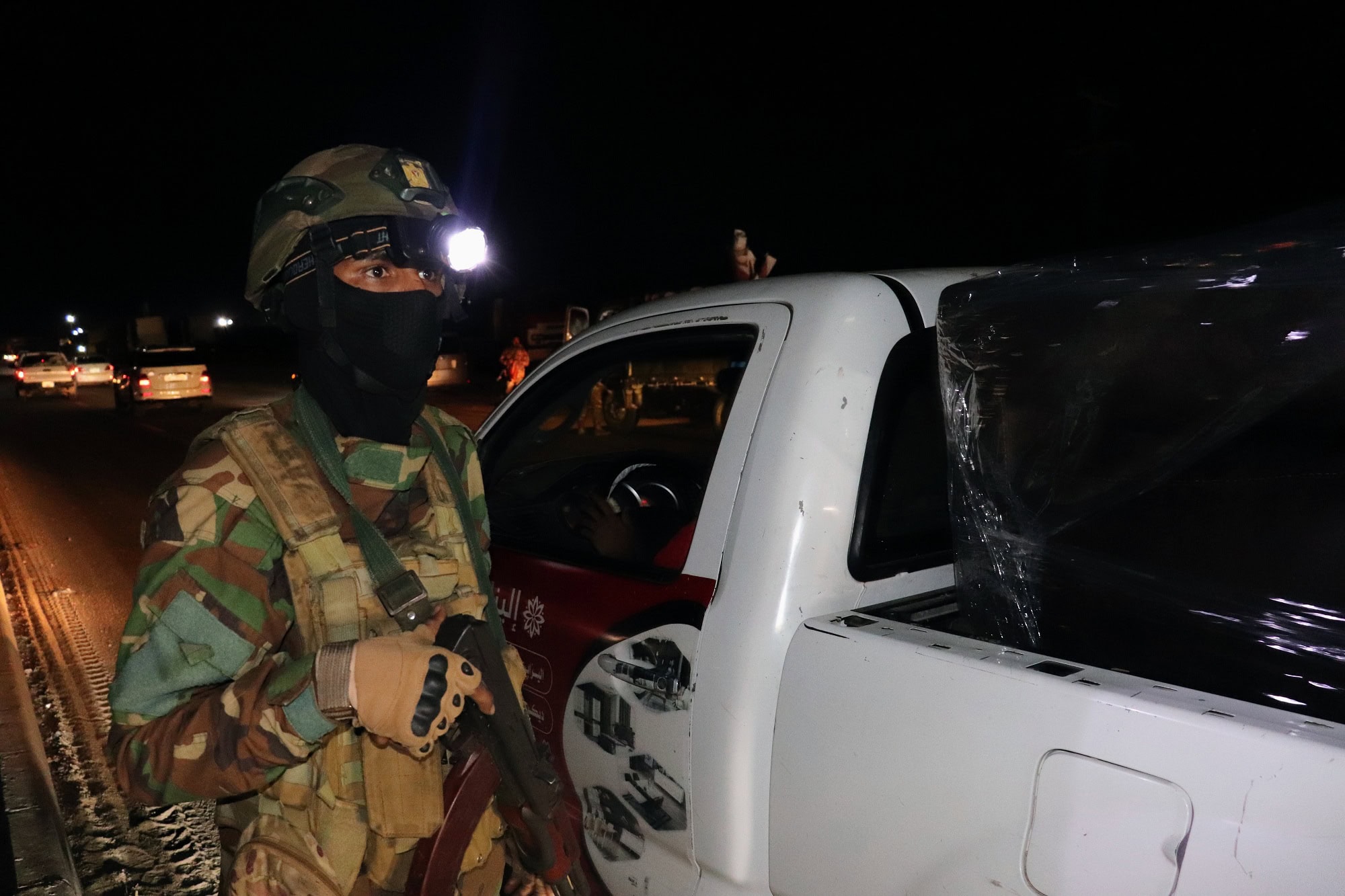
On the security front, Aden witnessed operations targeting individuals suspected of links to the Houthis. On November 9, the National Security Forces announced the arrest of three suspects and released video-recorded statements describing training in Iran and Syria, as well as recruitment activities on behalf of the group.
Sira District (Crater) also witnessed a security campaign during which authorities announced the detention of 86 suspects. Meanwhile, armed tensions erupted at Mukalla Port in Hadramout between Coast Guard units affiliated with the Hadrami Elite Forces and the Yemeni Emergency Forces over a dispute concerning responsibility for securing the port.
In Marib, a local source told South24 Center that Brigadier General Saeed Saleh bin Muayli, commander of the First Special Missions Brigade, was killed in an armed ambush in Al-Wadi District on Thursday (November 12).
Alongside these developments, forces loyal to the Yemeni government announced substantial figures for military operations against the Houthis.
On November 5, the Presidential Leadership Council (PLC) said operations since early October had resulted in the "neutralization" of approximately 20,000 Houthi fighters and the destruction or disabling of more than 5,000 military vehicles, without providing sufficient details to allow independent verification of the figures.
The interactive map presents a separate indicator for reported military casualty figures during the period, totaling approximately 3,529 people killed or wounded, most without a breakdown between fatalities and injuries.
These figures are not added to the main casualty total because the reporting periods and incidents covered by the announcements may overlap.
South24 Center's data for the first half of November reveal the continued geographic expansion of the war, with simultaneous ground battles and long-range attacks, alongside rising civilian casualties in populated areas.