مركز سوث24 للأخبار والدراسات
مركز سوث24 للأخبار والدراسات


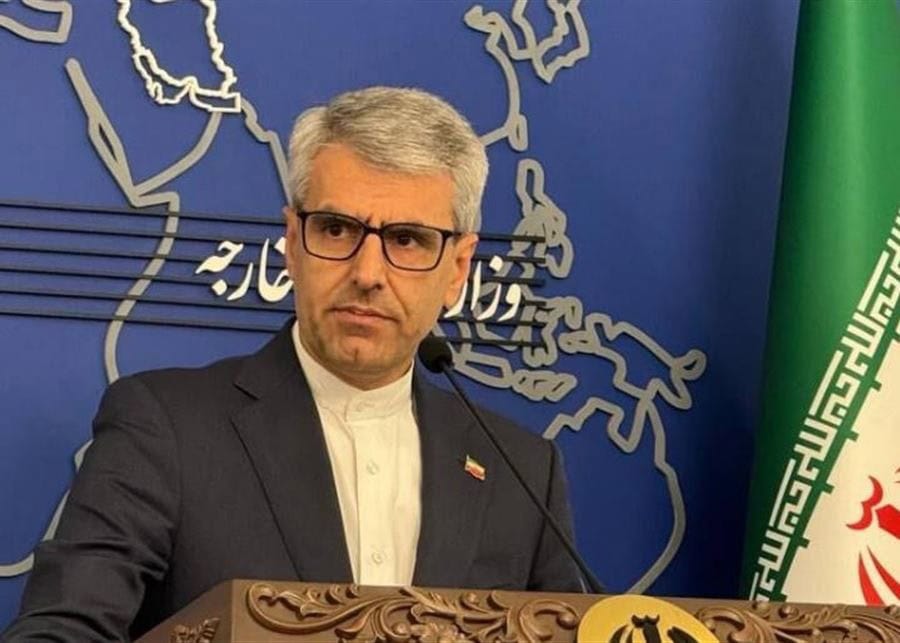
Image: Iran FM
آخر تحديث في: 15-12-2025 الساعة 1 صباحاً بتوقيت عدن
Aden (South24)
In its first official response to the recent developments in South Yemen, Iran’s Foreign Ministry said on Sunday (December 14) that the situation “aligns with the policies” of Israel in the region.
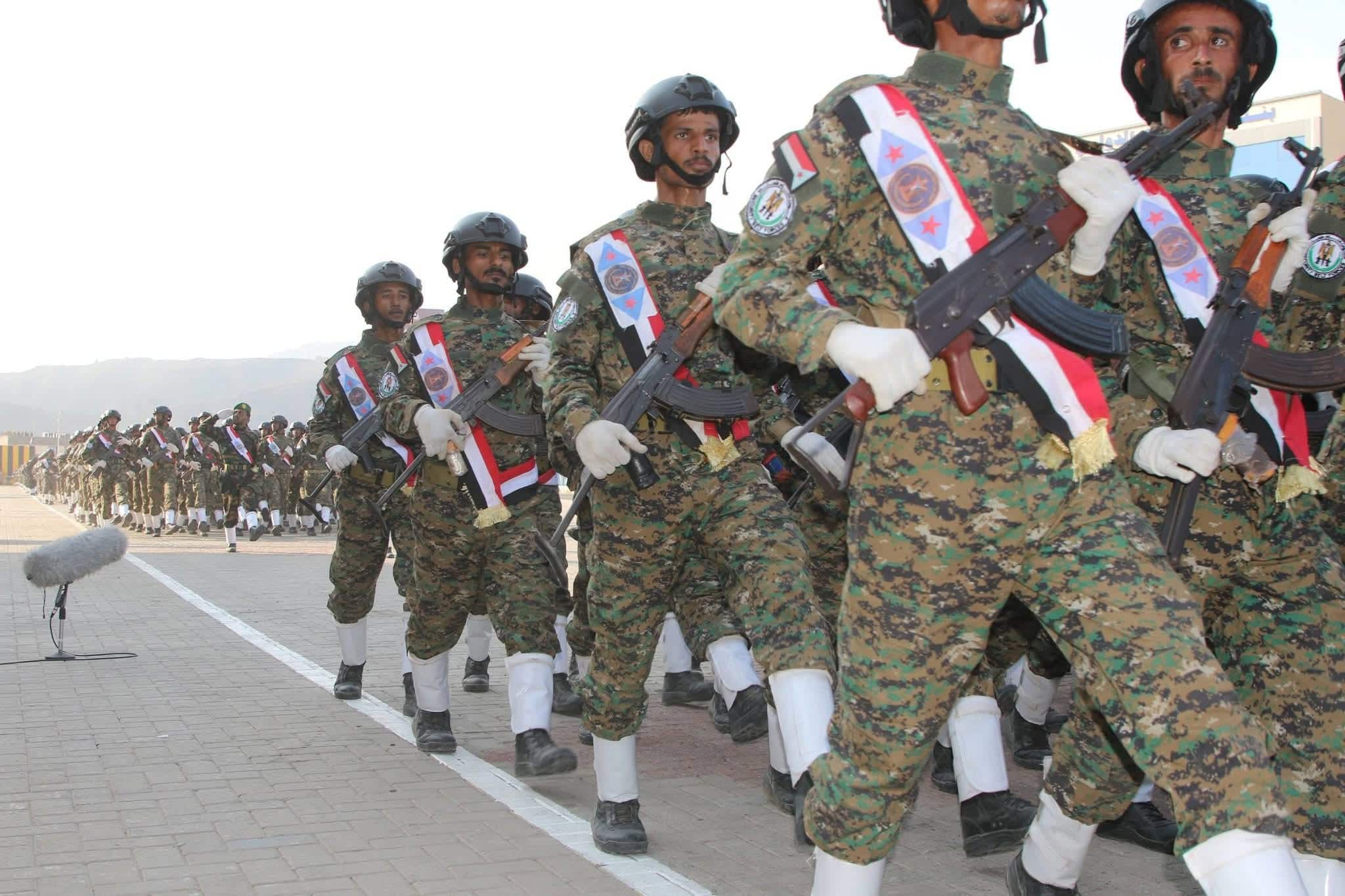
In remarks carried by Iran’s official news agency IRNA, Iranian Foreign Ministry spokesperson Esmail Baghaei said, commenting on the Southern forces’ takeover of large areas in Hadramout and Al-Mahra, that “these developments should be a source of concern for many countries in West Asia.”
“These developments are in line with the policies of the Zionist regime aimed at fragmenting regional countries,” Baghaei said, reiterating Iran’s position on the necessity of dialogue among different Yemeni parties to achieve stability and safeguard the country’s territorial integrity.
Iran is the main ally of the Houthi militia, which controls the capital Sanaa and most of northern Yemen.
Iran’s remarks reflect growing concern in Tehran over the expansion of the Southern Transitional Council’s influence across the full geographical boundaries of South Yemen.
The Southern Transitional Council (STC) has previously indicated that the next battle would be toward Sanaa, which remains under Houthi control, stressing that the phase of “side skirmishes” has ended.
Southern forces say their recent military operation in Hadramout and Al-Mahra was aimed at securing the areas and cutting off smuggling routes used by the Houthi militia to transport Iranian weapons through vast desert corridors extending toward the Sultanate of Oman.
On Thursday (December 11), the Houthi militia cut a main road linking Al-Bayda and Abyan governorates, coinciding with a meeting between Presidential Leadership Council member and STC President Aidrous Al-Zubaidi and the governor of Al-Bayda, which discussed the importance of “liberating” the governorate.
Researchers believe these moves reflect a state of confusion within the group. Yemeni researcher Farea Al-Muslimi told the German newspaper Frankfurter Allgemeine Zeitung (FAZ) that the military developments in the South and the emergence of a unified leadership there have “clearly raised concerns within the Houthi military leadership.”
He noted that the group realizes that shifts in the balance of power could limit its ability to maneuver or use southern areas for smuggling weapons and people, as had occurred in the past.
Baghaei’s comments came as he spoke about Iran’s regional security priorities, stressing Tehran’s pursuit of a “regional consensus” to address flashpoints of tension, while criticizing what he described as “continued US intervention” in regional affairs and blaming Washington’s policies for worsening instability.
On Sunday, officials from the STC denied reports of any understandings involving a withdrawal of Southern forces from Hadramout and Al-Mahra, saying talks held in Aden with a Saudi-Emirati delegation focused on de-escalation. They added that the continued deployment of forces is subject to operational assessments and aims to support local populations in securing vast and geographically complex areas.
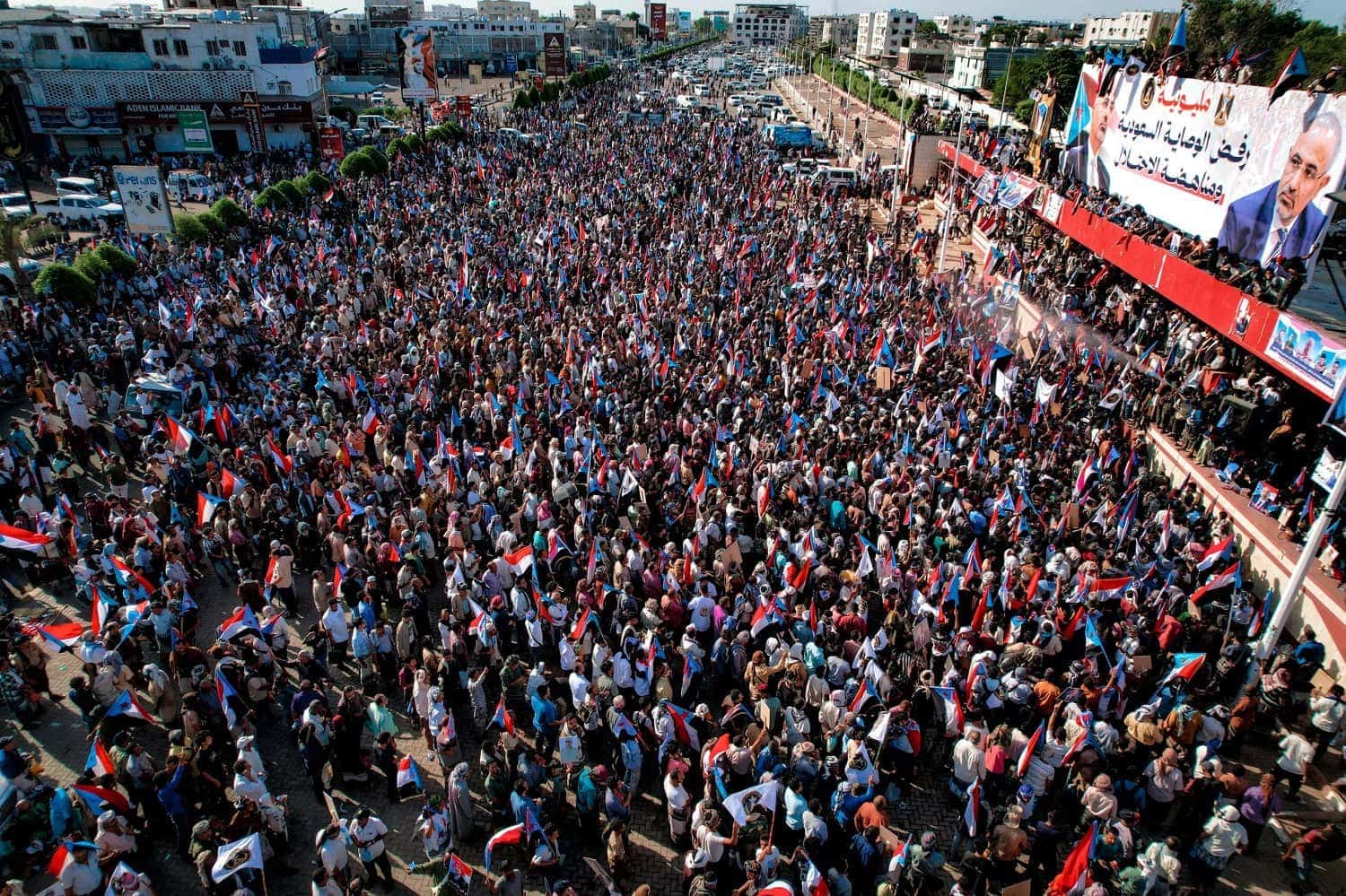
These developments coincide with ongoing popular mobilization for the seventh consecutive day across South Yemeni governorates, including sit-ins and marches calling for the declaration of a “State of the South Arabia.” Southern leaders stressed that the South’s security is a “red line” and that any future arrangements must be based on realities on the ground and popular demands.